Launching a decentralized project without a loyal audience is like building a store in an empty city. Founders who master web3 community building for founders gain a durable competitive advantage from day one. Moreover, a thriving community becomes more valuable than any marketing budget. Therefore, understanding how to cultivate genuine relationships in a trustless environment is essential for long-term project success.
Why Community Is the Core of Web3 Success
Unlike traditional startups, web3 projects live and die by their communities. Consequently, founders must think beyond users and customers. Instead, they should think in terms of co-owners, contributors, and vocal advocates. Furthermore, decentralized technologies place real power in the hands of token holders. This dynamic fundamentally changes how founders must approach relationship building.
Additionally, community members in web3 often hold financial stakes in a project’s success. Therefore, they act as evangelists, testers, and governance participants simultaneously. This creates a virtuous cycle where community growth directly fuels project momentum. However, this alignment only works when founders invest genuine effort into nurturing trust.
Trust and Transparency as Non-Negotiables
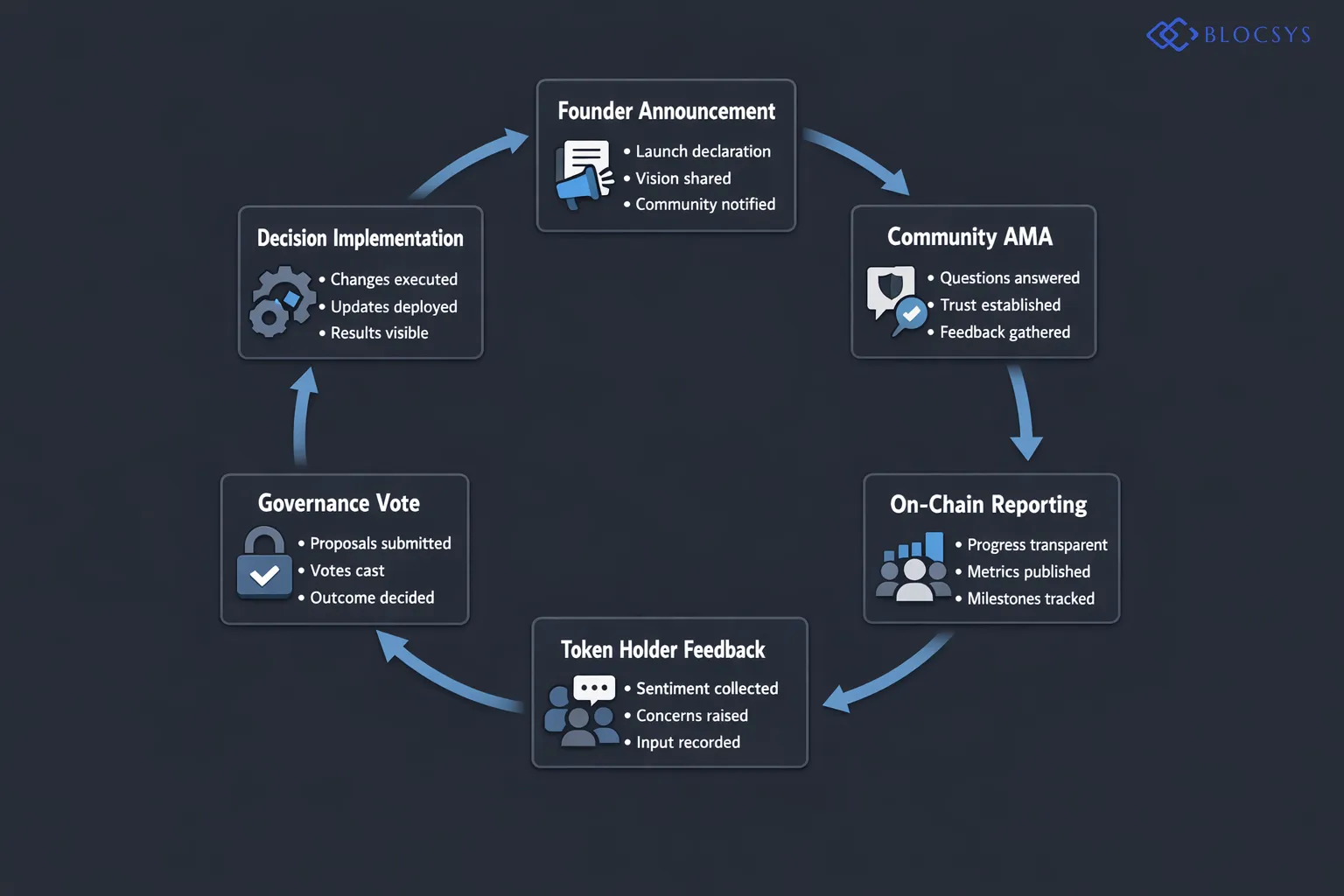
Transparency is non-negotiable in web3. Moreover, founders who communicate openly about progress, setbacks, and roadmaps build far deeper loyalty. Consequently, regular AMAs and on-chain reporting strengthen credibility over time. Furthermore, showing your community that decisions involve their input fosters genuine ownership. Therefore, make transparency a core pillar of your strategy from day one.
Essential Web3 Community Building Strategies for Founders
Effective web3 community building for founders requires a deliberate, multi-channel approach. Additionally, the platforms and incentive structures you choose shape your community’s culture. Therefore, selecting the right tools early saves significant time and resources later. Furthermore, aligning your strategy with your audience’s behavior accelerates organic growth.
Choose the Right Platforms
Discord remains the dominant hub for web3 communities. However, Telegram, Farcaster, and Lens Protocol are growing alternatives worth exploring. Furthermore, each platform attracts a different user demographic. Therefore, founders should audit where their target audience already spends time before committing resources.
Consider these platform selection criteria when making your decision:
- Token holder demographics and technical proficiency
- Integration with wallet authentication tools
- Moderation capabilities and automated bot support
- Scalability as your community expands
Leverage Token-Gated Experiences
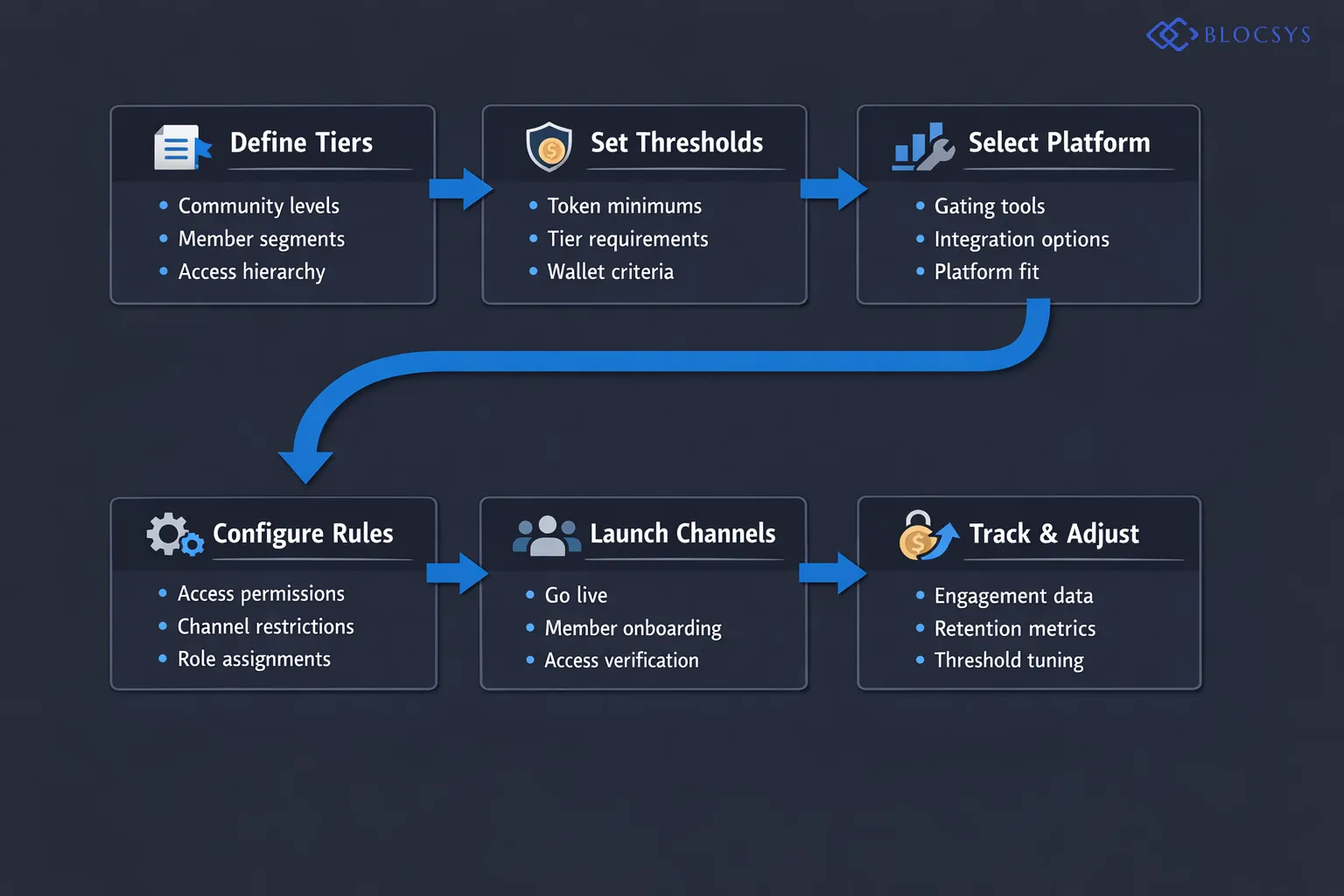
Token gating creates powerful exclusivity and rewards early believers. Moreover, it aligns community access with genuine project participation. For example, governance token holders might access exclusive strategy calls or beta features. Furthermore, token-gated events drive organic demand for your token while rewarding committed members. Consequently, this strategy deepens loyalty and creates word-of-mouth growth.
Platforms like Guild.xyz and Collab.Land make token gating straightforward to implement. Therefore, founders can configure gated channels and exclusive experiences without deep technical expertise.
Web3 Community Building for Founders: Sustaining Long-Term Growth
Launching a community is the easy part. However, sustaining momentum across months and market cycles requires systematic effort. Therefore, founders must build structures that keep members engaged even during downturns. Furthermore, community health depends on consistent value delivery, not just rising token prices.
Governance and Community Ownership
Decentralized governance transforms passive members into active stakeholders. Additionally, giving your community real decision-making power creates far deeper commitment. Therefore, consider implementing a DAO structure as your project matures. Moreover, proposals, on-chain votes, and transparent execution signal that members genuinely own the project. Consequently, they become defenders of your brand rather than critics.
Learn more about structuring early-stage projects effectively in our guide on DAO governance for startups. Additionally, understanding tokenomics is equally critical — explore our overview of tokenomics basics for founders.
Consistent Content and Educational Programming
Education drives long-term retention in web3 communities. Moreover, members who understand the technology become more loyal contributors over time. Therefore, founders should invest in weekly newsletters, tutorial threads, and onboarding resources. Furthermore, hosting regular workshops and AMAs keeps the community calendar active and expectations high. Additionally, community-created content amplifies your reach without increasing founder workload.
Measuring Community Health and Iterating
Strong communities require ongoing measurement and honest adaptation. However, many founders focus on vanity metrics like raw follower counts. Therefore, prioritize engagement rates, active wallet participation, and governance turnout instead. Furthermore, tools like Commsor help founders track meaningful community health data in real time. Consequently, data-driven iteration keeps your strategy aligned with actual member needs.
Additionally, conduct regular community surveys to surface unmet needs and emerging frustrations. Moreover, encourage open feedback channels where members feel safe sharing criticism. Therefore, you build a continuous feedback loop that steadily improves the community experience. Ultimately, founders who treat their communities as partners — not audiences — build projects that endure well beyond the next market cycle.