Accessories 15 Ai 24 Automatic 2 Blockchain 305 Blockchain Gaming 1 blockchain ip 7 Carbon Tokenization 10 Coding 5 Crypto 32 DAO 6 Deep research 1 Metaverse 1 NFT 11 Programming 4 Supply Chain 1 Technology 21 Tokenization 77 UX/UI Design 1
Digital Asset Custody Compliance: Building Regulatory-Ready Blockchain Platforms
A compliance lead at a mid-sized exchange starts Tuesday with a supervisory letter asking three uncomfortable questions: how are client bitcoin balances segregated, who can authorise withdrawals, and which sanctions lists were checked[…]
ShantikumarChougule - August 19, 2026
Posted by ShantikumarChougule
in Blockchain
in Blockchain
How Immutable Blockchain Records Eliminate Document Fraud in US: A 2026 Guide
You’re in the middle of a document review, and one file keeps raising the same uncomfortable question. Was that contract really signed on that date, was that certificate altered after issue, or did[…]
July 24, 2026
Posted by ShantikumarChougule
in Blockchain
in Blockchain
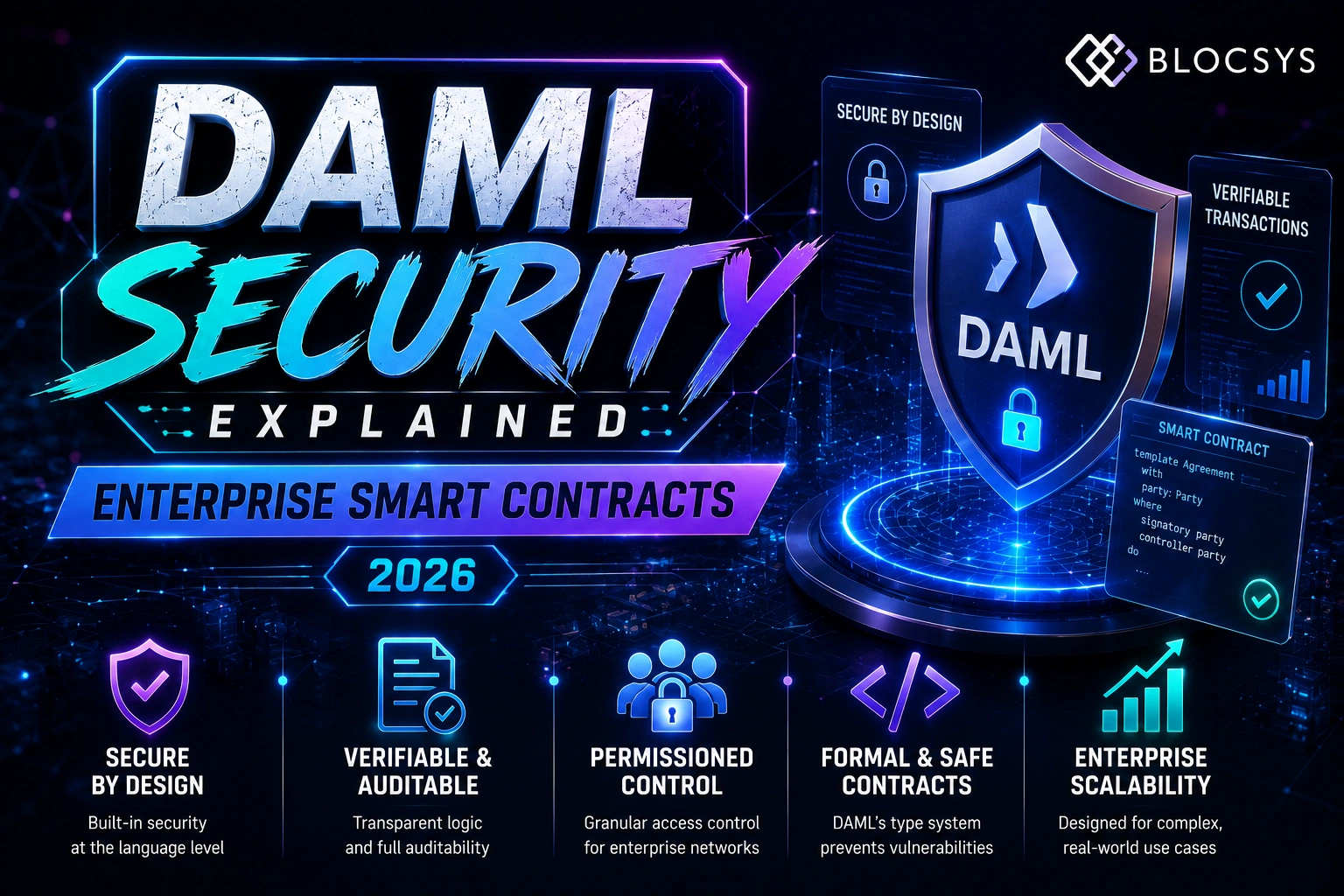
DAML Security Explained: How Permissioned Smart Contracts Reduce Enterprise Risk
Most enterprise blockchain risk doesn’t come from cryptography failing. It comes from using platforms built for public transparency in environments that require controlled disclosure, explicit authority, and defensible audit trails. That’s why DAML[…]
July 15, 2026
Posted by ShantikumarChougule
in Blockchain
in Blockchain
Secure Your Future: A Guide to Information Security Risk Management
Information security risk management is the proactive and systematic process of identifying, assessing, and neutralizing digital threats before they can cause harm to your organization. This guide is for decision-makers and technical teams[…]
March 29, 2026

A Guide to Private Key Cryptography for Web3 & AI
Private key cryptography is the foundation of digital ownership, giving you absolute control over valuable assets in Web3, AI, and crypto. It’s not just a feature; it’s the core security layer for building[…]
March 23, 2026