


Frequently Asked Questions
What is the metaverse?
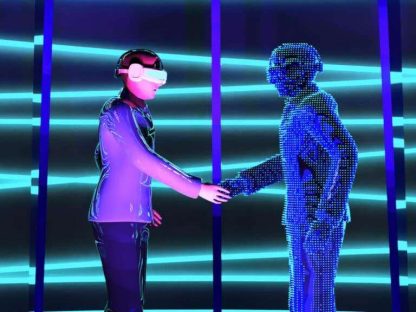
The metaverse is not a single platform but a constellation of interconnected virtual worlds, platforms, and experiences where digital and physical realities merge. It relies on technologies like augmented reality (AR), virtual reality (VR), blockchain, and AI to let users interact in real-time, own digital assets, and take part in expansive virtual communities.
How does AI create realistic avatars in the metaverse?
AI-driven technologies use computer vision and machine learning to help users build hyper-realistic avatars that mirror their physical appearance or embody imaginative personas. These systems accurately map facial expressions and body movements, ensuring a seamless and natural user experience.
What role do intelligent NPCs play in the metaverse?
Non-player characters (NPCs) act as guides, opponents, or companions within metaverse experiences. AI ensures these NPCs behave realistically and adapt to user interactions, making them more engaging and lifelike.
How does AI personalize experiences in the metaverse?
AI leverages user data to curate personalized experiences, such as recommending virtual events and products or tailoring educational content. This personalization keeps the metaverse relevant and appealing to a diverse audience, and is supported by NLP-powered virtual assistants and chatbots that enable seamless communication across global audiences.
What challenges does AI integration in the metaverse face?
Key challenges include ethical concerns around data privacy and fair AI algorithms, scalability for systems supporting millions of users, interoperability across different metaverse platforms, and the significant computational power and energy required by AI and metaverse technologies.
What does the future hold for AI in the metaverse?
Advancements in generative AI, quantum computing, and blockchain will make the metaverse more immersive, accessible, and intelligent. This includes hyper-personalized learning environments, AI agents facilitating virtual economies as advisors or automated shopkeepers, and decentralized governance enabling transparent, democratic decision-making on metaverse platforms.
