
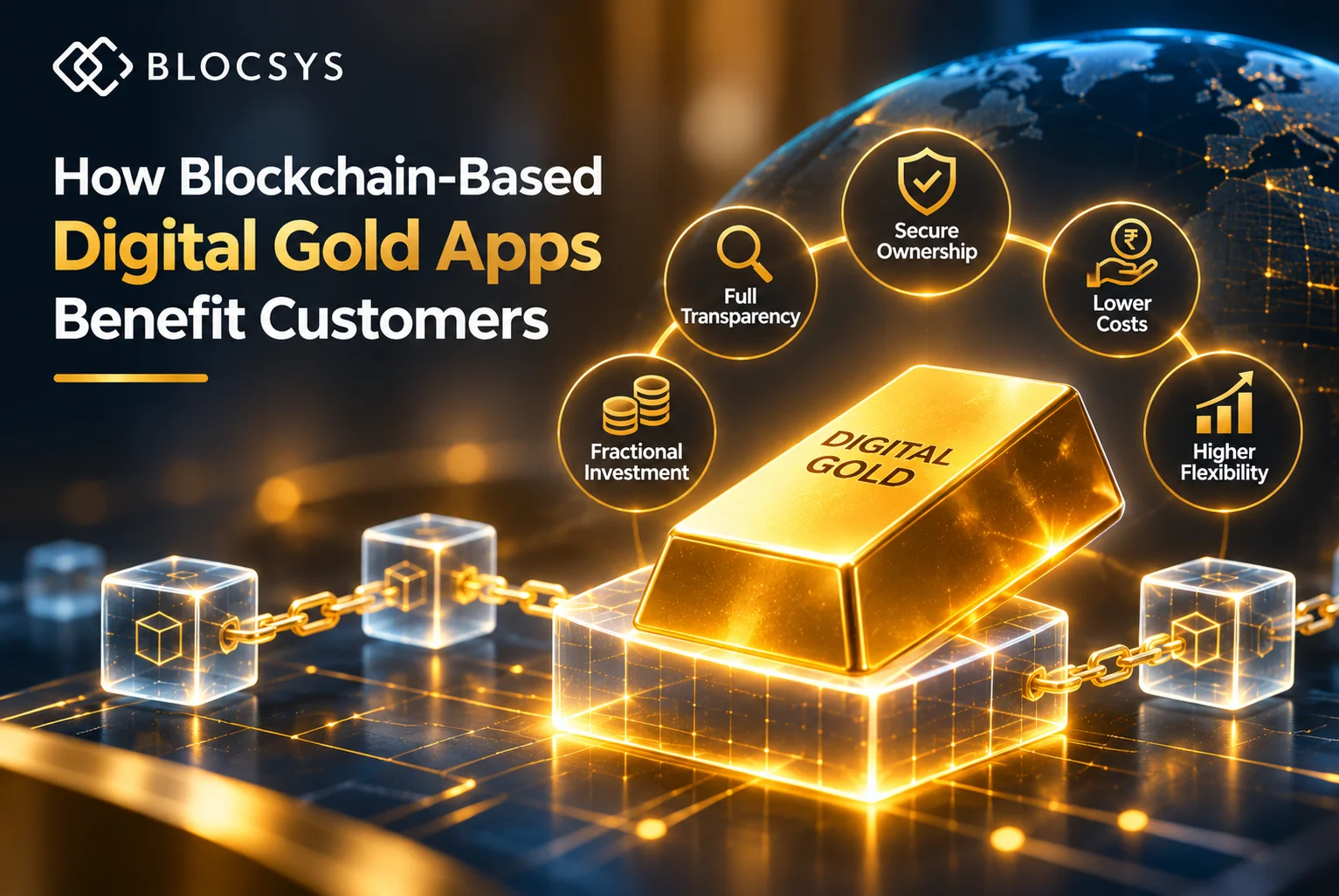
How Blockchain-Based Digital Gold Apps Benefit Customers
More Indians are buying gold through mobile apps than ever before, and that shift is changing what customers expect. You tap a few buttons, pay through UPI, and own gold worth as little as one rupee. Behind the scenes, though, something new is happening: some platforms now record these transactions on a blockchain. Blockchain-based digital gold apps are gaining attention because they promise clearer transaction records and better traceability. However, it’s worth understanding exactly what that means before you assume it changes everything about how your gold is bought, stored, or redeemed. This article walks through the real customer benefits, and where the limits are too. If you’re exploring digital gold and silver app development as a business, or simply want to understand your own digital gold app better, you’re in the right place.
Understanding How Blockchain-Based Digital Gold Apps Work
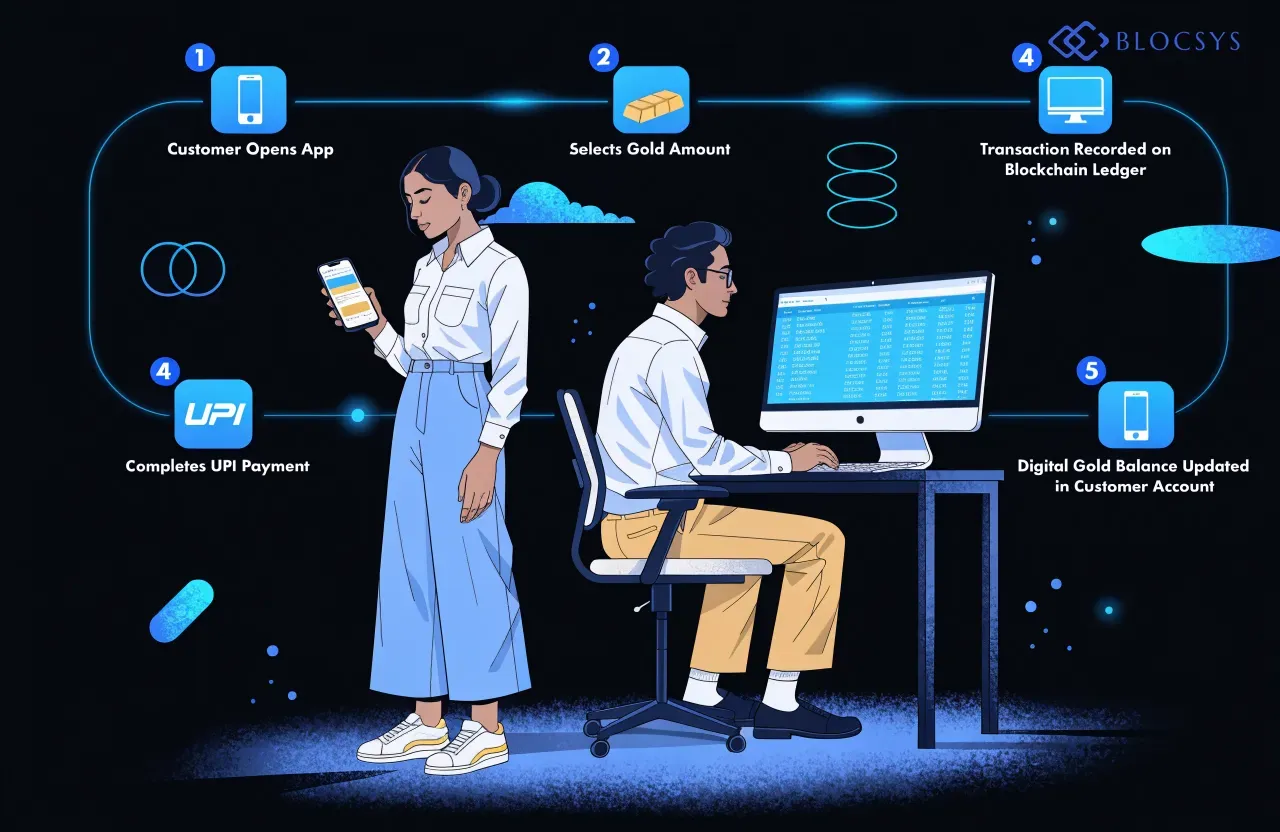
Let’s start with the basics. When you buy digital gold through an app, you’re not walking into a jewellery store. You’re creating a digital account, linking it to a payment method, and purchasing gold grams that a service provider holds on your behalf. That part works the same whether or not blockchain is involved.
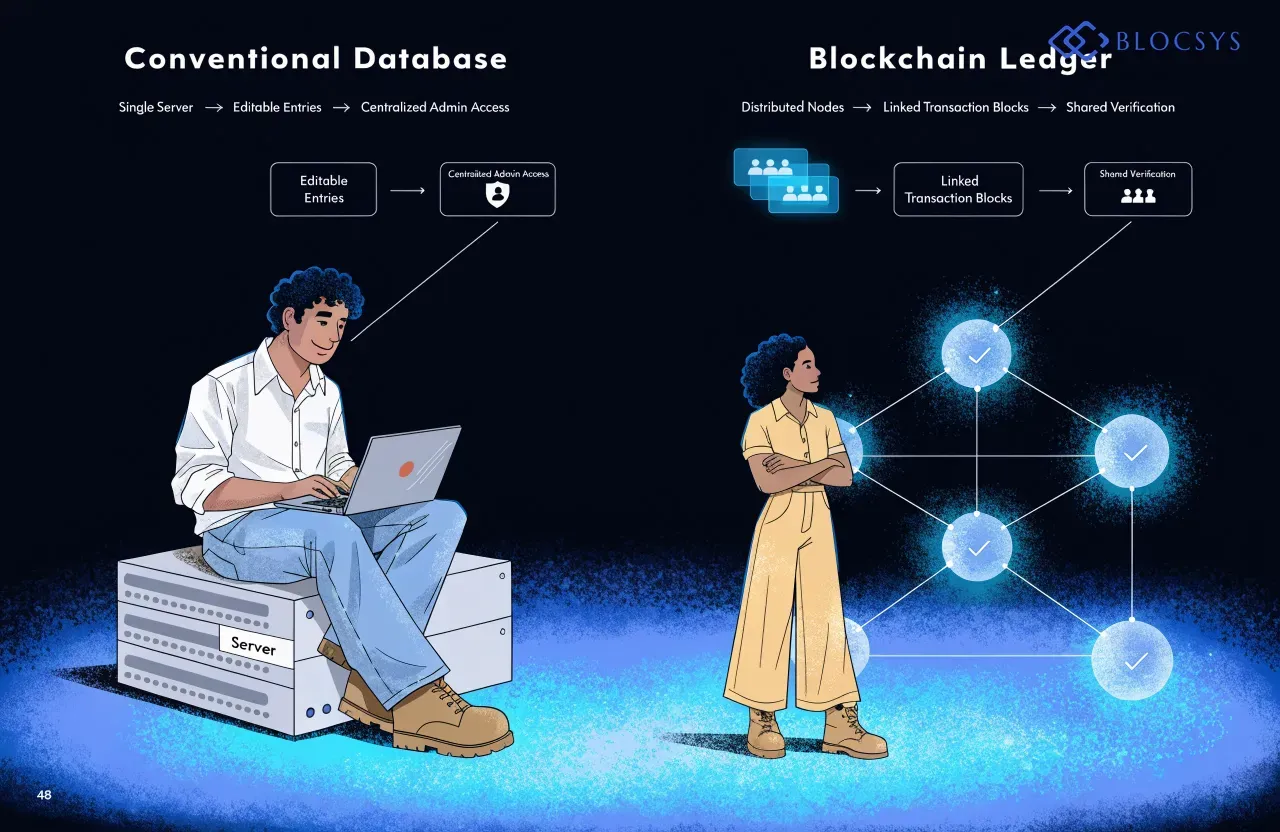
Here’s where blockchain enters the picture. Instead of storing your purchase record only in a private company database, blockchain-based digital gold apps also write transaction data to a distributed ledger. This ledger keeps a shared, time-stamped record across multiple nodes rather than one central server. Consequently, the transaction history becomes harder to quietly edit after the fact.
That said, blockchain doesn’t touch the gold itself. It records information about transactions. The actual sourcing, vaulting, insurance, and redemption of physical gold still depend entirely on the business arrangements the platform has with its gold suppliers and custodians. Blockchain supports the record-keeping layer; it doesn’t replace the operational trust layer.
Improved Transaction Transparency and Visibility
One of the most practical benefits customers notice is better visibility into their own activity. Every purchase, sale, or transfer gets logged with a timestamp, and that record sits on a ledger that multiple parties can verify. You don’t have to simply trust a single company’s internal database.
Think about a situation where you bought gold during a festival sale six months ago and can’t quite remember the price you paid. With a blockchain digital gold platform, your purchase history is consistently recorded and timestamped, so you can pull it up and check. Moreover, because the record format stays consistent, there’s less chance of mismatched entries confusing your transaction history.
This doesn’t mean blockchain independently checks whether the gold behind your purchase physically exists in a vault somewhere. It verifies that a transaction happened on the app, at a certain time, for a certain amount. That’s valuable, but it’s a different claim than “your gold is guaranteed.”
Blockchain gives you a tamper-resistant trail of what happened in the app. It doesn’t audit the vault. Customers need to understand that distinction clearly, or they’ll assume protections that the technology was never designed to provide.
Better Traceability of Digital Gold Transactions
Traceability is closely related to transparency, but it’s worth separating the two. Transparency is about what you can see. Traceability is about following a transaction’s path through the system, step by step, from purchase to confirmation.
In a blockchain-powered digital gold application, each transaction connects to the previous one in sequence. Authorised platform participants can therefore trace a specific entry back through the chain of records. If there’s ever a dispute about whether a transaction went through, that chain of records helps resolve it faster than digging through scattered logs.
However, tracing a digital entry is not the same as tracing a gold bar from mine to vault. Physical gold traceability depends on the supplier’s sourcing documentation, assay certificates, and custody chain. Blockchain can record that these documents exist and were referenced, but it doesn’t independently inspect the gold’s purity or origin. That verification still rests with the service provider and its auditors.
Improved Data Integrity and Record Keeping
Data integrity means your records stay consistent and aren’t easily altered after they’re created. This matters more than people realise. If a company’s internal database gets corrupted, hacked, or edited without a clear audit trail, customers lose confidence fast.
Blockchain’s structure, where each new entry links cryptographically to the one before it, makes unauthorised changes to past records noticeably harder to pull off quietly. The exact level of protection depends on how the network is designed and who controls it, since not every blockchain implementation offers the same level of decentralisation. Still, consistent record architecture gives auditors and customers a steadier reference point than a plain editable database.
For everyday users, this translates into something simple: your purchase history should look the same today as it did when the transaction happened. That consistency reduces confusion when you’re reviewing old transactions or reconciling your digital gold holdings against your own records.
Greater Visibility Into Digital Gold Holdings and Transactions
A well-built app should let you see your current gold balance, your full purchase history, pending transactions, and redemption status at a glance. That’s basic good app design, blockchain or not. However, when blockchain-based records sit underneath the interface, that visibility often becomes more reliable because the underlying data is harder to quietly alter.
Here’s an important clarification, though. Seeing a number on your screen that says you own 5 grams of gold doesn’t, by itself, establish legal ownership or prove that physical gold backs that number. Ownership and backing come from the contractual terms between you and the platform, along with the custodian’s actual gold reserves. The app display and the blockchain record both depend on those underlying arrangements being honest and properly audited.
So when you’re comparing a digital gold app for customers, check whether the platform discloses its custodian, its vaulting partner, and how redemption actually works. The blockchain record is only as trustworthy as the business behind it.
Convenient Gold Purchasing and Digital Account Management
Convenience is where most customers actually feel the difference day to day. You can buy gold at 11pm on a Tuesday, set up recurring purchases, or sell a small amount to cover an unexpected expense, all from your phone. Indian customers, in particular, have shown strong comfort with UPI-based payments, and digital gold purchasing has slotted neatly into that habit.
Good digital gold account management includes clear purchase workflows, instant payment confirmations, transaction notifications, and straightforward selling or redemption options. Additionally, many apps now let you convert digital gold into physical jewellery or coins, subject to the platform’s specific terms and minimum quantities.
Blockchain contributes here indirectly. Because transaction records stay consistent and traceable, the backend reconciliation that supports fast transaction processing can run more smoothly. That said, the actual speed and convenience you experience still come down to app design, server performance, and payment gateway integration, not blockchain alone.
Improved Customer Trust Through Transparent Digital Records
Trust doesn’t come from technology alone. It comes from a combination of clear records, honest pricing, and a company that answers your questions when something goes wrong. Transparent transaction records and traceability can certainly support that trust, but they’re one piece of a bigger picture.
Before you trust a platform, you should expect clear disclosures: where does the gold come from, who holds it in custody, what are the buy-sell spreads, and what happens if the platform shuts down? A trustworthy blockchain digital gold platform will answer these questions openly, not hide behind the word “blockchain” as if it solves every concern on its own.
Customer trust in digital gold apps grows when transaction confirmations arrive promptly, support teams respond to queries, and pricing stays consistent with live market rates. Blockchain-based transaction verification strengthens the record-keeping side of that equation. It doesn’t replace the need for a credible, well-regulated service provider standing behind the product.
How Blockchain-Based Digital Gold Apps Differ From Conventional Digital Gold Apps
So what actually separates blockchain-based digital gold apps from the conventional kind? Conventional apps typically store transaction data in a centralised database managed entirely by the company. That’s efficient and works fine for most day-to-day operations, but it does rely heavily on trusting the operator’s internal controls.
Blockchain-based digital gold apps add a distributed ledger layer for recording transactions. This can improve auditability, since records are harder to alter quietly, and it can open up integration possibilities, such as connecting with third-party verification tools or enabling programmable transaction logic.
That said, blockchain isn’t automatically superior for every use case. A well-governed, well-audited conventional database can be perfectly reliable too. The real difference comes down to implementation quality, governance, and whether the added complexity of blockchain actually serves a genuine business need, rather than being added as a marketing label. Customers exploring blockchain document verification system style infrastructure will recognise this same principle: the technology supports verification, but good governance still does the heavy lifting.
What Customers Should Check Before Using a Blockchain-Based Digital Gold App
Before you commit to any platform, run through a practical checklist. Here’s what actually matters.
- Who is the service provider, and how long have they operated in this space?
- Where does the gold come from, and who verifies its purity?
- Which custodian holds the physical gold, and is that disclosed clearly?
- What are the buy-sell spreads and any storage or transaction charges?
- How does redemption work, and what’s the minimum quantity for physical delivery?
- How is your personal and payment data protected?
- Are the legal disclosures and terms of service easy to find and understand?
Don’t assume that the presence of blockchain automatically answers these questions. Blockchain-based gold transactions can be transparently recorded, yet the platform could still fall short on custody practices or pricing fairness. Treat blockchain as one factor among many, not a stamp of guaranteed safety.
How Blocsys Helps Businesses Develop Blockchain-Based Digital Gold Apps
If you’re a fintech business, jewellery brand, or gold retailer thinking about launching your own platform, the technology side needs to match what customers actually expect: clear transaction history, smooth purchase workflows, and dependable account management. That’s exactly where Blocsys Technologies Pvt. Ltd. comes in.
Blocsys Technologies Pvt. Ltd. works with businesses to plan and build blockchain-powered digital gold and silver applications, starting from actual business requirements rather than generic templates. That includes designing customer workflows for buying, selling, and tracking holdings, integrating blockchain for transaction recording, connecting payment gateways, and building the administrative tools platform operators need to manage pricing, inventory, and compliance reporting.
Because customer-facing functionality and backend reliability both matter, Blocsys focuses on building applications where the technology actually supports the business goals, rather than adding blockchain as a checkbox feature. If you’re evaluating digital gold and silver app development partners, it’s worth asking how they approach transaction traceability, third-party integrations, and admin-side controls, since those details shape the customer experience far more than marketing claims do.
Conclusion
Blockchain-based digital gold apps genuinely improve certain parts of the customer experience. Transaction transparency gets clearer. Traceability improves. Data integrity becomes more consistent, and that supports stronger customer trust over time. These are real, specific benefits worth valuing.
At the same time, blockchain is one layer within a much bigger digital gold ecosystem. Physical gold backing, custody arrangements, pricing fairness, and redemption terms still depend on the service provider’s actual business practices, not on the ledger technology alone. A smart customer checks both: the technology behind the records, and the credibility of the company running the platform.
For businesses building in this space, that balance matters just as much. Combining solid blockchain-based transaction verification with transparent operational practices is what actually earns customer confidence. If your business is planning a platform like this, exploring digital gold and silver app development with a technology partner who understands both the customer side and the blockchain infrastructure side is a sensible next step.
Frequently Asked Questions
Here are direct answers to the questions we hear most often about blockchain-based digital gold apps.
What is a blockchain-based digital gold app?
It’s a digital gold purchasing app where transaction data is also recorded on a distributed ledger, in addition to the platform’s regular database. Customers buy, hold, and track gold grams through the app, while the blockchain adds a traceable, time-stamped record of each transaction.
How does blockchain technology work in a digital gold app?
Each transaction, like a purchase or sale, gets written as an entry linked to previous entries, forming a chain. This makes past records harder to alter quietly and supports consistent auditability across the platform.
What are the benefits of using a blockchain-based digital gold app?
Customers typically get clearer transaction transparency, better traceability of their purchase history, and more consistent data integrity. These benefits improve record-keeping and customer confidence, though they depend on how well the platform is built.
How does blockchain improve transparency in digital gold transactions?
Blockchain timestamps and records each transaction on a shared ledger, so customers aren’t relying solely on one company’s internal database. This makes it easier to review accurate purchase history and transaction timing.
Can customers track their digital gold transactions using blockchain?
Yes, transaction tracking is one of the clearest practical benefits. Customers can typically view purchase dates, amounts, and status through the app, with blockchain-based transaction verification supporting the accuracy of that record.
Does blockchain technology guarantee the physical backing of digital gold?
No. Blockchain records transaction data; it doesn’t independently verify that physical gold exists in a vault. Physical backing depends entirely on the service provider’s sourcing, custody, and audit arrangements, which customers should check separately.
Are blockchain-based digital gold apps more secure than conventional digital gold apps?
Not automatically. Blockchain can make transaction records harder to alter, but overall app security also depends on encryption, authentication, server security, and the provider’s operational practices. Security is a combined outcome, not a feature of blockchain alone.
Can customers buy, sell, and redeem gold through blockchain-based digital gold apps?
Most platforms support buying and selling digital gold directly through the app, along with redemption for physical gold subject to minimum quantities and the provider’s specific terms. These features depend on the platform’s business model, not on blockchain itself.
What should customers check before choosing a blockchain-based digital gold app?
Check the provider’s credibility, gold sourcing and custody disclosures, pricing and charges, redemption terms, data protection practices, and legal disclosures. Don’t assume blockchain alone makes a platform trustworthy.
How can businesses develop a blockchain-based digital gold application with Blocsys?
Businesses can work with Blocsys Technologies Pvt. Ltd. to plan and build customer workflows, blockchain integration, payment connections, and admin tools tailored to their specific digital gold and silver platform requirements. Visit the digital gold and silver app development page to start that conversation.
Ready to move beyond theory and build an intelligent platform that delivers real-world value? Blocsys Technologies specialises in engineering enterprise-grade AI and blockchain solutions for the fintech, Web3, and digital asset sectors. Connect with our experts today to discuss your vision and chart a clear path from concept to a secure, scalable reality.
