
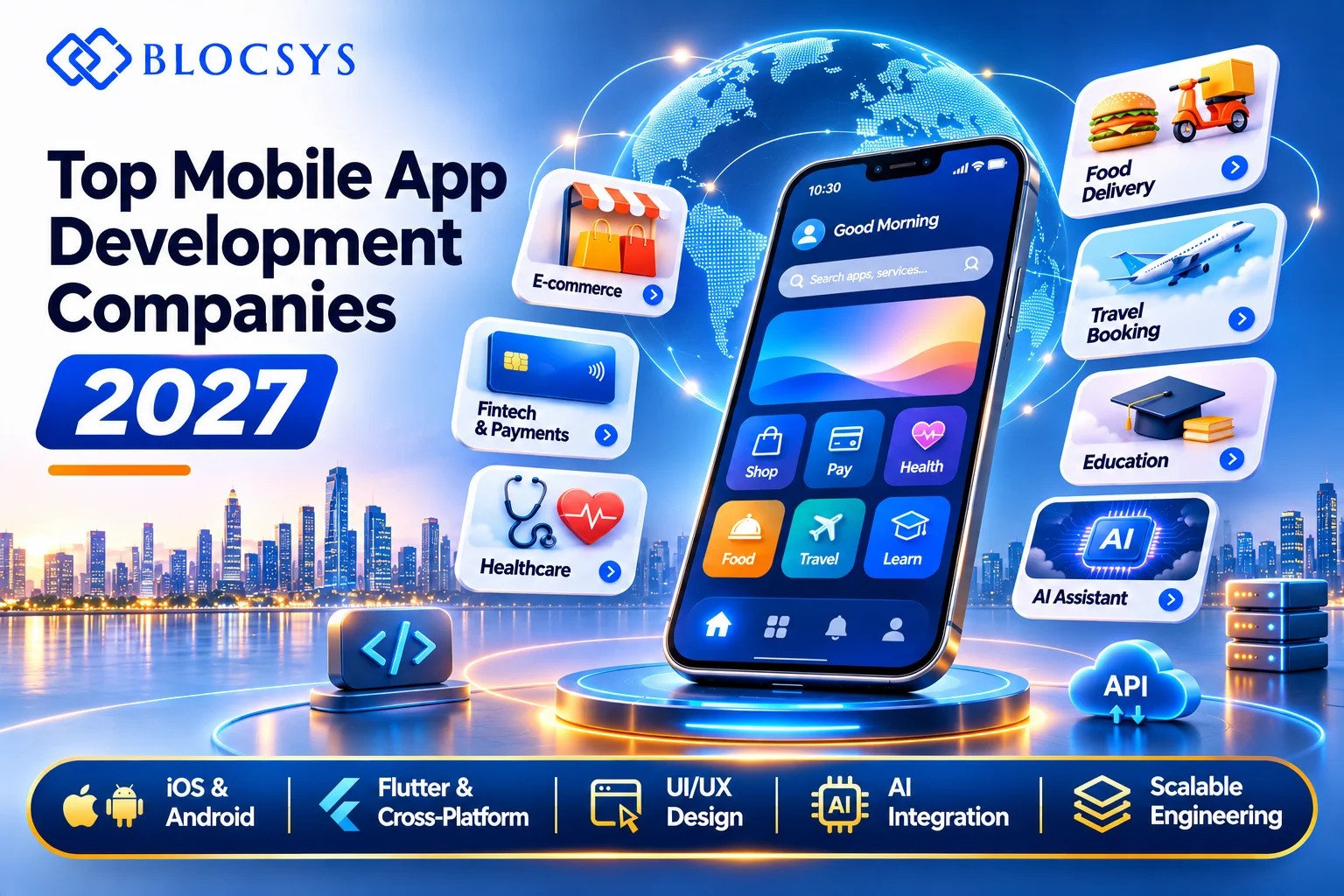
Top Mobile App Development Companies in 2027
Choosing a mobile app partner isn’t a side decision anymore. Whether you’re a startup founder or an enterprise CTO, your mobile product often carries the weight of your entire digital strategy. That’s why so many founders and product leaders spend weeks researching the top mobile app development companies before signing a contract. This guide walks you through ten companies worth evaluating, explains what each one actually does, and shows you how to separate genuine mobile app developers from general IT vendors. We’ll also look at Hire Mobile App Developers as a starting point if you’re ready to scope your own project.
A mobile app development company designs, builds, and maintains Android, iOS, or cross-platform applications for other businesses. That’s different from a software product company that sells its own app, or a platform operator that merely hosts apps built by someone else. Understanding this distinction matters because it directly affects what you’re paying for: original engineering work versus licensed software or platform access.
Startups need mobile apps to validate ideas quickly. Enterprises need them to modernize legacy systems and reach customers on the device they use most. Fintech, healthcare, logistics, and eCommerce businesses need apps that handle sensitive data, integrate with existing systems, and scale under real traffic. Consequently, the right technology partner becomes a long-term relationship, not a one-off vendor.
How We Selected These Top Mobile App Development Companies
We looked for companies with documented mobile app development services, not just a mention of “technology solutions” buried on a homepage. Each company on this list has a dedicated service page, portfolio, or published case study describing actual Android, iOS, or cross-platform app development work.
We also checked headquarters against official sources rather than guessing from a domain name. Furthermore, we distinguished direct mobile app development experience from adjacent expertise in enterprise software, fintech, AI, or blockchain. If a company’s mobile capabilities weren’t publicly verifiable, we either excluded it or clearly flagged the limitation.
This isn’t a paid ranking, and it isn’t based on invented client lists. It’s a practical comparison meant to help you shortlist a mobile app development company based on real, checkable information.
Most failed mobile projects don’t fail because of bad code. They fail because the business picked a vendor whose actual expertise didn’t match the product they needed built.
Top 10 Mobile App Development Companies in 2027
Here’s the full list. Blocsys leads this comparison of top mobile app development companies because of its combined mobile, backend, and fintech-grade engineering services. The remaining nine are ordered by verified relevance, not arbitrary preference.
1. Blocsys
Blocsys Technologies is a software and blockchain development company that builds custom mobile and web applications for startups and enterprises. You can review its core offering directly on its homepage, where mobile app development sits alongside web, backend, and blockchain engineering as a primary service line.
Blocsys works across Android app development, iOS app development, and cross-platform app development, giving businesses flexibility depending on budget, timeline, and target audience. Its teams handle the full application stack: mobile front-end interfaces, backend APIs, database architecture, and admin dashboards that let business teams manage users, content, and transactions without engineering support.
Where Blocsys stands apart is its application integration depth. Its documented service areas include building apps that connect to trading engines, payment rails, KYC systems, and real-time data feeds — the kind of architecture fintech and trading platforms actually need. This is reflected in its specialized builds, including Crypto Trading Development Company solutions, OTC Trading Platform Development, Equity Tokenization Platform Development, and apps for physical asset markets such as digital gold and silver app development and Bullion Rate App Development.
That fintech and blockchain background is a genuine differentiator, not a generic add-on. Businesses building a customer-facing trading app, a tokenized asset platform, or a prediction market product get a partner that already understands regulated data flows, wallet integrations, and real-time pricing — alongside standard mobile UI/UX and backend development. For businesses evaluating a custom mobile application development company with this specific combination of mobile engineering and fintech infrastructure experience, Blocsys is worth a direct conversation through its Hire Mobile App Developers page.
Enterprises exploring AI features, blockchain-backed records, or tokenized financial products can treat these as natural extensions of Blocsys’s documented service lines, rather than assumptions about undocumented capability. That’s an important distinction, and we’ll keep making it throughout this guide.
2. Intellectsoft
Intellectsoft is a custom software and mobile app development company headquartered in Palo Alto, California. It builds Android, iOS, and cross-platform applications for enterprise clients, with particular depth in enterprise mobility and digital transformation projects.
Its service pages describe mobile application architecture work spanning retail, healthcare, and logistics. Businesses looking for an enterprise mobile app development company with experience modernizing legacy systems may find Intellectsoft a relevant fit, though its broader portfolio also includes blockchain and AR/VR consulting that sits outside core mobile development.
3. ArcTouch
ArcTouch is a dedicated mobile app development agency based in San Francisco. Unlike many broader IT firms, mobile app development is ArcTouch’s primary and original focus, covering native iOS and Android builds alongside smart TV and voice app development.
This narrow focus matters. Businesses that want a mobile software development company rather than a general technology vendor often prefer agencies like ArcTouch precisely because mobile isn’t a side service — it’s the whole business.
4. Netguru
Netguru is a software development company headquartered in Poznań, Poland, serving clients across Europe and North America. Its mobile services include native iOS and Android development alongside Flutter app development services and React Native development services.
Netguru’s broader software engineering background means mobile projects often come bundled with web and cloud infrastructure work. That can suit businesses planning a connected product rather than a standalone app.
5. Intelivita
Intelivita is a mobile app development company headquartered in Leicester, United Kingdom. It builds Android and iOS applications, along with Flutter and React Native cross-platform apps, for startups and small-to-midsize businesses.
Its UK base may appeal to businesses that prefer working with a mobile application development company operating in a similar time zone and regulatory environment, particularly across the UK and wider European market.
6. Appinventiv
Appinventiv is a mobile app development company headquartered in Noida, India, working with both startups and enterprise clients internationally. Its documented services cover Android app development, iOS app development, enterprise mobility solutions, and AI-integrated mobile products.
Businesses evaluating offshore or nearshore development partners frequently include Appinventiv when comparing cost-efficient teams with enterprise-grade delivery processes.
7. Net Solutions
Net Solutions is a custom software and mobile application development company with operations in Mohali, India, and Pittsburgh, United States. It builds business applications, enterprise mobile solutions, and customer-facing apps across several industries.
Its dual-location structure allows it to offer both US-based account management and offshore engineering, a setup some enterprises prefer for cost and communication balance.
8. Konstant Infosolutions
Konstant Infosolutions, headquartered in Jaipur, India, has offered mobile app development services since 2004, making it one of the longer-running specialists in this comparison. It covers native Android, native iOS, and cross-platform application builds.
Its longevity in a fast-changing industry suggests process maturity, though businesses should still request current, relevant case studies rather than relying on years in operation alone.
9. MindInventory
MindInventory is a mobile app development company based in Ahmedabad, India. It focuses on iOS, Android, Flutter, and React Native app development, with additional UI/UX design services.
Its design-forward positioning may suit businesses that want strong visual polish alongside functional mobile engineering, particularly for consumer-facing apps.
10. Fueled
Fueled is a mobile app design and development agency headquartered in New York City. It’s known for design-led mobile product development, pairing interface design closely with iOS and Android engineering.
Businesses prioritizing brand experience and interface quality, not just backend functionality, often shortlist agencies like Fueled alongside more engineering-heavy firms.
Comparison of Mobile App Development Companies
Here’s a side-by-side snapshot of these top mobile app development companies. Use it as a starting filter, then verify details directly with each vendor.
| Company | Headquarters | Core Services | Platforms Supported | Notable Strength |
|---|---|---|---|---|
| Blocsys | India | Mobile, web, backend, blockchain/fintech app development | Android, iOS, cross-platform | Fintech and blockchain-integrated mobile apps |
| Intellectsoft | Palo Alto, USA | Enterprise mobile and software development | Android, iOS, cross-platform | Enterprise mobility and digital transformation |
| ArcTouch | San Francisco, USA | Native mobile app development | Android, iOS | Dedicated mobile-only focus |
| Netguru | Poznań, Poland | Software and mobile app development | Android, iOS, Flutter, React Native | Combined mobile and cloud engineering |
| Intelivita | Leicester, UK | Mobile app development | Android, iOS, Flutter, React Native | UK-based delivery for SMEs |
| Appinventiv | Noida, India | Mobile and enterprise app development | Android, iOS, cross-platform | AI-integrated mobile solutions |
| Net Solutions | Mohali, India / Pittsburgh, USA | Custom business and mobile app development | Android, iOS, cross-platform | Dual-location delivery model |
| Konstant Infosolutions | Jaipur, India | Mobile app development | Android, iOS, cross-platform | Long-running mobile specialist |
| MindInventory | Ahmedabad, India | Mobile app development and UI/UX | Android, iOS, Flutter, React Native | Design-forward app development |
| Fueled | New York, USA | Mobile app design and development | Android, iOS | Brand-driven interface design |
Note: Security certifications and specific client outcomes vary by engagement. Confirm current capabilities directly with each company before signing a contract.
Essential Features to Evaluate in a Mobile Application
Before you pick a vendor, get clear on what your app actually needs to do. Here’s where to start.
User registration and authentication come first. Your app needs secure sign-up flows, often including social login, biometric authentication, and role-based access for different user types. Mobile UI/UX design matters just as much; a clunky interface drives users away regardless of how solid the backend is.
Application performance optimization affects retention directly. Slow load times or crashes push users toward competitors fast. Behind the scenes, APIs connect your app to payment gateways, CRM systems, and third-party services your business already relies on.
Push notifications keep users engaged after installation. Backend functionality and reporting dashboards let your team monitor usage and make decisions. Finally, application security and ongoing mobile app maintenance protect both your users and your business reputation over time.
Technology Requirements for Modern Mobile Applications
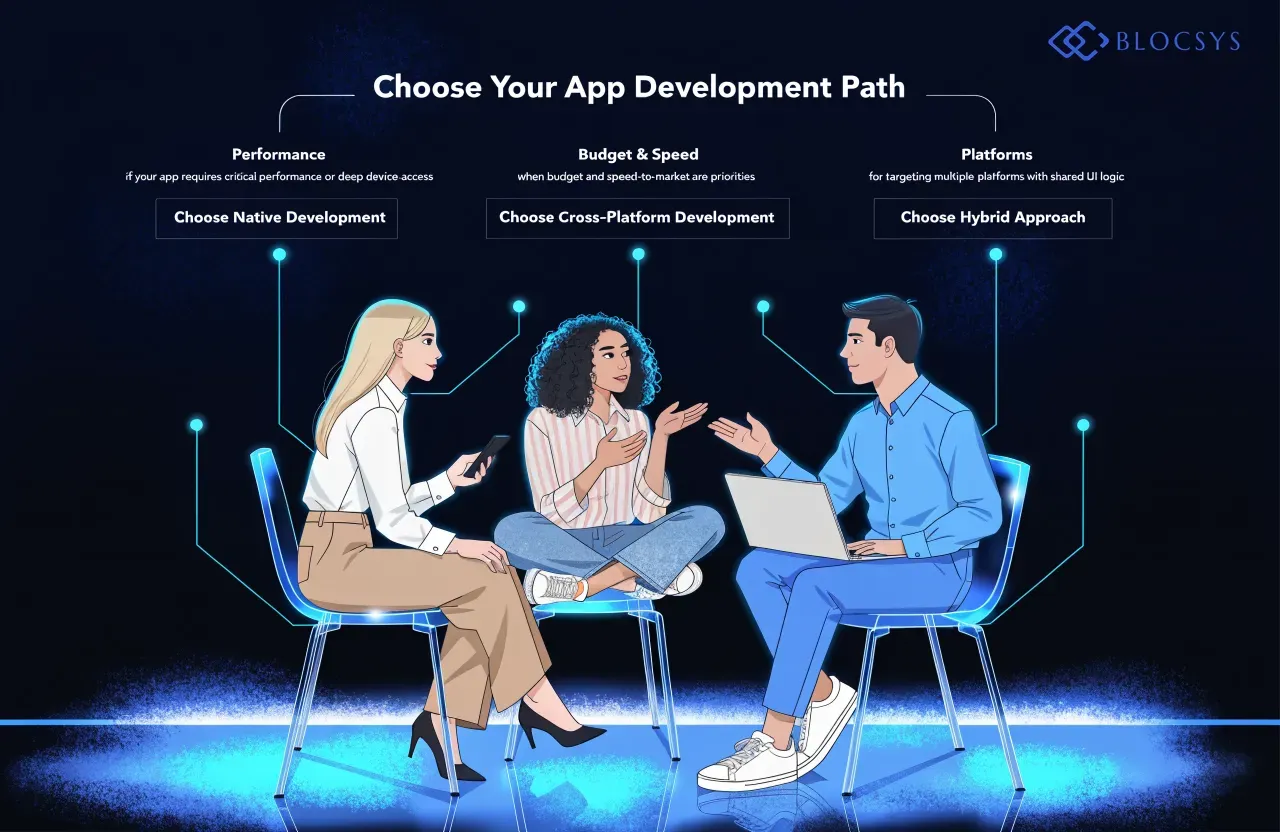
Native mobile app development means building separately for Android (typically using Kotlin) and iOS (typically using Swift). This usually delivers stronger performance and deeper access to device features. However, it also means maintaining two codebases.
Cross-platform application development, using frameworks like Flutter mobile app development or React Native development, lets teams share most of the codebase across platforms. This often reduces cost and timeline, though complex, performance-heavy apps sometimes still favor native builds.
Neither approach guarantees security, scalability, or speed by itself. Those outcomes depend on backend architecture, database design, cloud infrastructure choices, and how well the development team handles API integration and application security. A thoughtful mobile application architecture, not just a framework choice, determines long-term mobile application scalability.
How to Choose the Right Mobile App Development Company
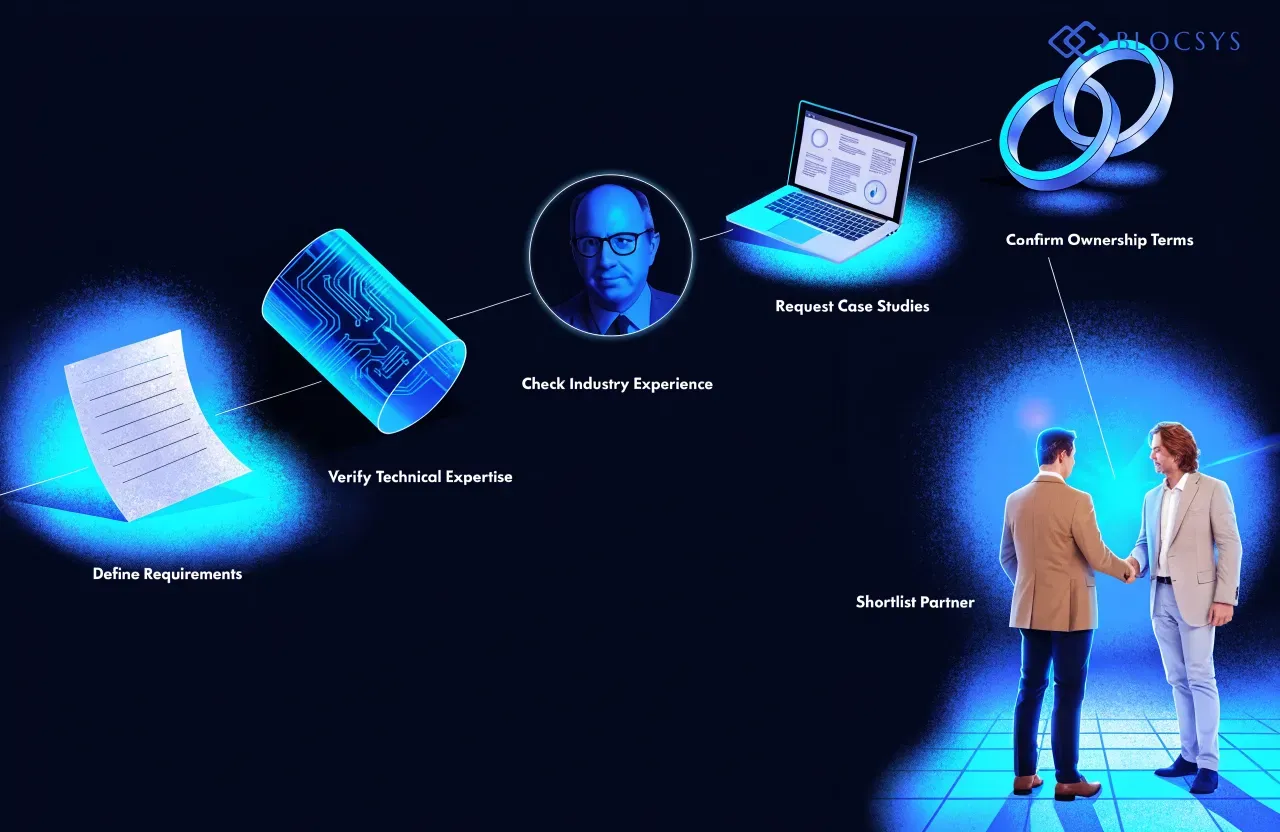
Start with your business requirements, not a vendor’s sales pitch. What does your app actually need to do, and for whom?
Next, decide between native and cross-platform development based on performance needs and budget. Then check industry experience. A company that’s built fintech apps understands compliance-adjacent workflows better than one that’s only built retail apps.
Technical expertise matters, but so does communication. Ask how the team handles project updates, testing cycles, and change requests. Additionally, clarify software ownership terms before signing anything — you want full rights to your own codebase.
Ask every vendor the same question: who owns the code when the contract ends? The answer tells you more than any portfolio page.
Finally, verify claims independently. Request references, check published case studies, and confirm the team that built past apps is the same team that’ll build yours. Don’t skip this step.
Why Consider Blocsys for Mobile App Development?
If you’re building a mobile product with financial, trading, or blockchain-related functionality, Blocsys brings a combination that’s hard to find elsewhere: mobile engineering alongside documented fintech and blockchain development experience. Its service range covers custom Android, iOS, and cross-platform app development, backed by backend systems built for real-time data and transaction handling.
This makes Blocsys a reasonable fit for startups building a trading app from scratch, as well as enterprises modernizing an existing financial product. If that sounds like your project, it’s worth discussing your requirements through Hire Mobile App Developers before committing to a vendor.
Conclusion
Picking among the top mobile app development companies in 2027 comes down to matching verified expertise to your actual requirements. Don’t choose based on size or brand recognition alone. Instead, check platform experience, industry relevance, and ownership terms.
Whether you need a fintech-grade mobile product or a straightforward customer-facing app, the right mobile app development partner should demonstrate real, checkable work — not just promises. Compare a few companies from this list, ask direct questions, and move forward with the one that matches your business, not just your budget.
Frequently Asked Questions
Here are direct answers to the questions we hear most often about choosing among the top mobile app development companies.
What are the top mobile app development companies in 2027?
Based on verified services and documented expertise, companies worth evaluating include Blocsys, Intellectsoft, ArcTouch, Netguru, Intelivita, Appinventiv, Net Solutions, Konstant Infosolutions, MindInventory, and Fueled. Each offers different strengths, so match them against your specific platform and industry needs.
What does a mobile app development company do?
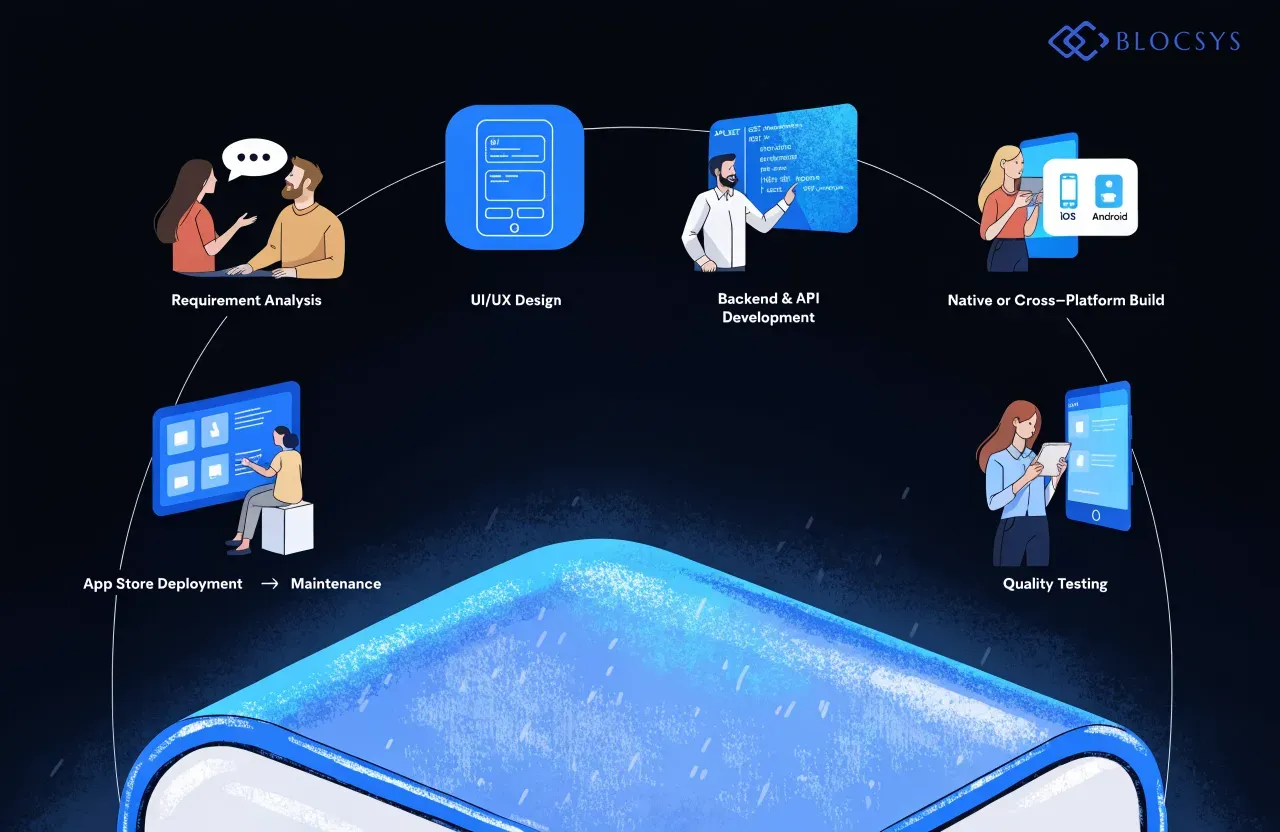
A mobile app development company designs, builds, tests, and maintains mobile applications for Android, iOS, or both. This typically includes UI/UX design, backend development, API integration, and post-launch maintenance, delivered for other businesses rather than for the vendor’s own product.
What services should a mobile app development company provide?
Look for mobile UI/UX design, native or cross-platform development, backend and API integration, application security, push notification setup, third-party integrations, testing, and ongoing maintenance. A strong mobile app development company should cover the full lifecycle, not just initial coding.
What is the difference between native and cross-platform app development?
Native development builds separate apps for Android and iOS using platform-specific languages, usually offering stronger performance. Cross-platform development, using frameworks like Flutter or React Native, shares one codebase across both platforms, which often reduces cost and development time but may involve trade-offs for complex features.
Which technologies are commonly used for mobile app development?
Common technologies include Swift and Kotlin for native development, Flutter and React Native for cross-platform builds, plus backend technologies like Node.js, cloud infrastructure from providers such as AWS or Google Cloud, and APIs for third-party integrations. The right stack depends on your specific app requirements.
How much does it cost to develop a custom mobile application?
Cost depends on scope, platform choice, design complexity, integrations, and security requirements. A simple app with basic features costs far less than an enterprise app with custom backend systems and third-party integrations. Request a detailed quote based on your actual requirements rather than relying on general estimates.
How long does it take to build a mobile application?
Timelines vary based on feature complexity, platform count, integration requirements, and design scope. Simple apps may take a few months, while complex, integration-heavy applications take considerably longer. Ask any vendor for a realistic timeline tied to your specific project scope.
What should businesses consider before choosing a mobile app development company?
Consider the company’s verified platform experience, industry relevance, communication process, security practices, and ownership terms for the final codebase. Additionally, check whether the company has handled projects similar to yours in complexity and industry.
How can a business verify a mobile app development company’s experience?
Request published case studies, check for publicly available portfolio work, confirm the company’s headquarters and team size, and ask for references from past clients. Avoid relying solely on marketing claims without independent verification.
How can Blocsys help businesses with mobile app development?
Blocsys offers custom Android, iOS, and cross-platform app development, backed by backend systems and application integration experience, including documented fintech and blockchain-related builds. Businesses planning a financial, trading, or blockchain-integrated mobile app can discuss requirements through its Hire Mobile App Developers page.
Ready to move beyond theory and build an intelligent platform that delivers real-world value? Blocsys Technologies specialises in engineering enterprise-grade AI and blockchain solutions for the fintech, Web3, and digital asset sectors. Connect with our experts today to discuss your vision and chart a clear path from concept to a secure, scalable reality.
