
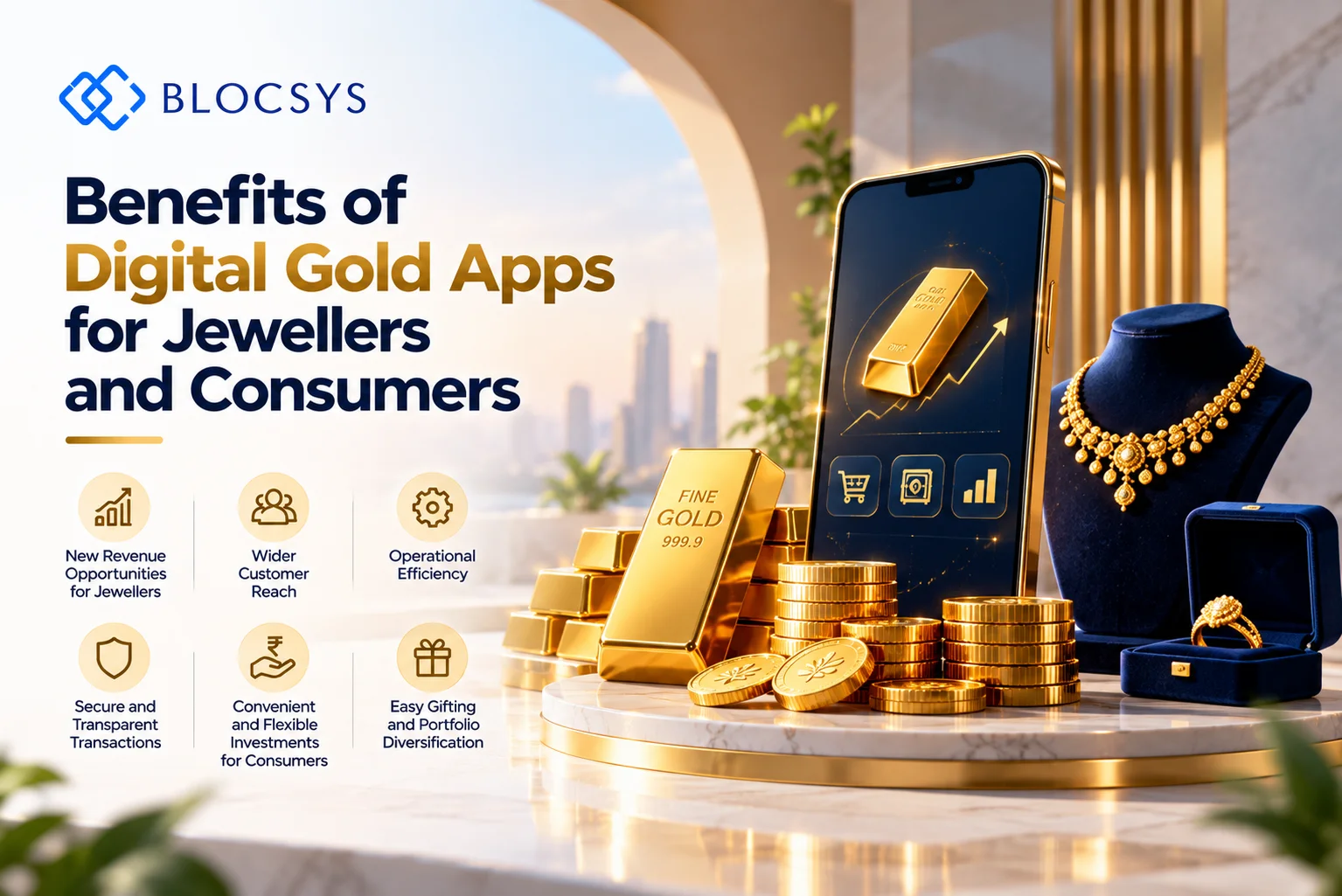
Benefits of the Digital Gold and Silver Apps for Jewellers and Consumers
Gold and silver have always meant something more than metal in Indian homes. However, buying a gram of gold used to mean a store visit, a bill, and a locker. That’s changing fast. The benefits of digital gold apps now reach both sides of the counter: the jeweller selling the metal and the consumer buying it. If you’re weighing whether digital gold and silver app development is worth exploring for your business, or you’re simply curious how these apps work before you buy, this guide breaks down what’s real, what’s useful, and what you should watch for.
We’ll look at this from two angles throughout. First, how jewellers and bullion dealers can use these platforms. Second, how everyday buyers experience convenience, flexibility, and a few real limitations. Neither side gets the full picture without understanding the other.
What Are Digital Gold and Silver Apps?
A digital gold or silver app lets a user buy small or large quantities of gold or silver online, track their holdings, and in many cases sell back or redeem the metal, depending on the provider’s model. You don’t walk into a showroom. Instead, you open an app, check the live price, and complete a purchase in a few taps.
It’s worth separating two things that often get confused. There’s the consumer-facing app itself, and there’s the technology platform behind it that handles pricing feeds, custody records, payment processing, and security. A jeweller offering digital gold isn’t necessarily storing bars under the shop floor; often, a technology or custody partner manages that part. Consequently, the redemption terms, fees, and protections can differ quite a bit between providers, so it’s never safe to assume one app works exactly like another.
Benefits of Digital Gold Apps for Jewellers
For jewellers, the appeal isn’t just “going digital” for its own sake. It’s about reaching customers who aren’t ready to walk in and buy a necklace today, but who still want to save in gold.
Reaching Customers Beyond the Shop Floor
A physical store only reaches people who pass by or plan a visit. A digital gold app, however, lets a jeweller stay present on a customer’s phone every day. That’s a different kind of reach. Someone can buy gold worth a few hundred rupees from their couch, something a showroom visit was never built for.
Supporting Smaller, More Frequent Purchases
Not every customer can commit to a full gold coin or a piece of jewellery in one go. Digital platforms often support smaller buy-ins, so customers can build savings gradually. This is one of the more practical benefits of digital gold apps for jewellers: it turns occasional buyers into more regular ones, at least in terms of transaction frequency, without promising any guaranteed increase in revenue.
Staying Engaged Between Big-Ticket Purchases
Jewellery purchases are infrequent. A wedding, a festival, a birthday. Between those events, a jeweller often has no reason to stay in touch. A digital gold app changes that by giving customers a reason to open the app regularly, check prices, or add small amounts. Furthermore, this ongoing engagement can make a brand top-of-mind when a bigger purchase decision eventually comes up.
Connecting Digital Holdings With Physical Jewellery
Some platforms allow customers to use accumulated digital gold toward a jewellery purchase, subject to the provider’s terms. That said, this isn’t universal, and making charges, taxes, or wastage costs may still apply on top of the metal value. A jeweller should check exactly how this redemption-to-jewellery path works before promoting it as a feature.
Using Customer Data Responsibly
Transaction and engagement data can help a jeweller understand buying patterns, such as which festivals drive more small purchases. Used carefully, this supports better customer experience rather than just more marketing messages. Even so, data handling comes with responsibility, and any business collecting this information needs clear privacy practices in place.
The jewellers who get real value from digital gold apps treat them as a relationship tool, not a transaction machine. Daily engagement matters more than any single sale.
Digital Gold and Silver App Benefits for Consumers
Now let’s flip to the buyer’s side. What’s actually in it for someone who downloads one of these apps?
Convenient, Round-the-Clock Access
You can buy gold at 11 pm on a Tuesday if you want to. There’s no store hour, no travel, no queue. For many consumers, this convenience is the clearest of all the benefits of digital gold apps, especially for people in smaller towns without easy access to a trusted jeweller.
Flexibility to Buy Small Amounts
Want to invest just fifty rupees this week? Many platforms allow that, subject to the provider’s minimum purchase rules. This flexibility is genuinely useful for younger buyers or anyone building a habit of small, regular purchases rather than one large one.
Tracking Holdings and Transactions Easily
Instead of a paper receipt in a drawer, you get a digital record you can check anytime. Here’s why that matters: it’s far easier to track quantity, purchase price, and current value when it’s all in one app, rather than piecing together old bills.
Clearer Access to Pricing Information
Most apps show live buy and sell rates, so you can see what you’re paying before you commit. Still, it’s worth checking the buy-sell spread carefully. A wider spread means a bigger gap between what you pay and what you’d get back if you sold immediately.
No Need to Personally Store the Metal
Where the provider’s custody model supports it, you don’t have to worry about a locker or home storage for your digital holdings. That said, this convenience shifts the storage responsibility to the provider, which introduces its own counterparty risk. You’re trusting that the custodian actually holds what they claim.
Convenience doesn’t erase every risk, though. Price movements, platform fees, and redemption conditions still apply, just as they would with a physical purchase. Digital silver benefits follow a similar pattern to gold, though silver markets can see sharper price swings, so it’s worth checking that angle too.
How Digital Gold Apps Connect Online Purchases With Physical Jewellery
This is where digital gold purchases and jewellery retail actually meet. A jeweller might let a customer convert accumulated digital gold grams toward a necklace or a ring, or use it as a gifting option during a festival. Some platforms also support home delivery of coins once a minimum quantity is reached.
However, don’t assume every app offers this. Redemption into physical jewellery, coins, or bars depends entirely on the provider’s operating model. Making charges, GST, and design costs are usually separate from the gold value itself, and a consumer should always confirm this before counting on a smooth conversion.
Choosing the Right Digital Gold App Platforms for Your Business
When launching a digital gold and silver solution, businesses need to consider where their customers will access the platform and how internal teams will manage its operations. A customised solution can be developed across multiple platforms to provide a consistent experience and support different business requirements.
- Android App Development: Offer customers a dedicated Android application to buy digital gold and silver, monitor their balances, make payments and manage their savings.
- iOS App Development: Reach iPhone users with an application designed for smooth navigation, secure transactions and convenient access to digital gold services.
- Web Platform Development: Provide a responsive web application where customers can register, purchase gold and silver, check their holdings and review transaction details through a browser.
- Business Management Portals: Equip administrators and business teams with web-based tools to manage customer accounts, purchase records, pricing, redemptions and operational reports.
- Integrated Multi-Platform Solutions: Connect mobile applications and web platforms through a shared backend, allowing customer information and transaction records to remain synchronised across supported platforms.
The right combination depends on the business model, customer preferences and operational needs. Blocsys develops customised Android, iOS and web-based digital gold and silver solutions, helping businesses establish an accessible and connected digital presence.
The Role of Technology Behind the Benefits of Digital Gold Apps
Behind every consumer-facing screen sits a stack of technology: live pricing integration, payment gateways, user account management, holdings dashboards, and security controls like encryption and two-factor authentication. None of this is visible to the buyer, but all of it determines whether the app actually works reliably.
Blockchain is sometimes used here too, mainly to record transactions in a tamper-resistant ledger or support traceability of ownership records. That’s a genuine use case. But it’s important to be clear-eyed about it: blockchain doesn’t independently prove that physical gold actually backs a digital unit, and it doesn’t guarantee the safety of the product on its own. It supports record-keeping; it doesn’t replace trust in the custodian.
What Jewellers and Consumers Should Check Before Using a Digital Gold App
Before launching or using a platform, both sides benefit from asking the same practical questions.
- Who is the custodian, and how is the physical metal stored and insured?
- What are the buy-sell spreads and any recurring fees?
- Is there a minimum purchase or redemption quantity?
- What are the redemption options, timelines, and costs?
- What security measures protect user accounts and transaction data?
- What regulatory or legal framework applies to this specific provider?
Consequently, a jeweller evaluating digital gold and silver app development should map these questions against their own business model before picking a partner or vendor. Likewise, a consumer should read the terms, not just the homepage promises.
How Blocsys Helps Jewellers Build Digital Gold and Silver Apps
Blocsys works as a technology partner for businesses exploring custom digital gold and silver platforms. Rather than offering a one-size-fits-all product, the focus is on building around what a specific jewellery business actually needs: user experience, payment integrations, holdings dashboards, and administrative controls for the business side.
Where blockchain fits into a project, it’s typically applied for transaction recording, traceability, or ownership-record management rather than as a marketing buzzword. A jeweller considering tokenization-related integrations or wanting a dedicated engineering team for long-term platform support can evaluate those options based on their own growth plans. For businesses still scoping budgets, a development cost estimator can help frame early planning conversations, and examples of past technical work are viewable in the project gallery.
To be clear, Blocsys builds the technology; it doesn’t operate a gold investment scheme, hold customer gold, or provide regulatory authorization. Those remain the responsibility of the business and its chosen custody or compliance partners.
Conclusion
So, where does this leave things? The benefits of digital gold apps depend heavily on the provider, the fee structure, custody arrangements, and how well the platform is built. For jewellers, these apps offer a way to stay connected with customers between big purchases. For consumers, they offer convenience, smaller entry points, and easier tracking, though not risk-free ownership.
Neither side should treat digital gold as a replacement for physical jewellery; it works better as a complement. If you’re a jewellery business weighing your next step, it’s worth having a direct conversation about digital gold and silver app development built around your actual customers, not a generic template.
Frequently Asked Questions
Here are direct answers to the questions we hear most often about the benefits of digital gold apps.
1. Are digital gold apps the same as buying physical gold?
No. Digital gold allows users to purchase gold electronically, with the provider typically arranging physical gold custody. Physical redemption may be available depending on the provider’s terms, minimum quantities, and applicable charges. Unlike holding jewellery or coins directly, users depend on the platform’s arrangements and redemption process.
2. Can jewellers really attract more customers with digital gold apps?
Digital gold apps can help jewellers maintain customer engagement between store visits, encourage repeat interactions, and offer convenient ways to start saving in gold. However, results depend on the app experience, customer trust, promotional efforts, and how effectively digital purchases connect with in-store services.
3. How small can a digital gold purchase be?
Minimum purchase amounts vary by provider, and some platforms allow customers to begin with just a few rupees. Low entry amounts can make gold saving more accessible to first-time buyers and customers who prefer investing small amounts regularly. Users should check the platform’s minimum purchase and transaction limits.
4. Does blockchain make digital gold apps safer?
Blockchain can improve transaction traceability and recordkeeping, but it does not eliminate every risk associated with digital gold. Platform security also depends on access controls, payment protection, operational practices, and reliable gold custody arrangements. Users should evaluate the provider’s overall safeguards rather than relying on the technology alone.
5. What fees should I expect when using digital gold apps?
Depending on the provider, users may encounter a difference between buying and selling prices, applicable taxes, storage fees, and physical redemption or delivery charges. Reviewing the complete fee structure before purchasing helps users understand the actual cost of buying, holding, and selling digital gold.
6. Why do some customers register for digital gold apps but never make a purchase?
Registration does not necessarily indicate investment intent. Customers may hesitate because they do not understand how digital gold works, lack confidence in the provider, find the purchase process confusing, or are uncertain about fees and redemption. Clear onboarding, transparent pricing, simple explanations, and convenient payment options can help address these barriers.
7. How can digital gold apps encourage customers to invest regularly?
Apps can support regular saving through recurring purchase options, purchase reminders, progress tracking, and clear summaries of accumulated gold holdings, where these features are available. Flexible purchase amounts and an easy-to-understand user experience can also help customers develop consistent saving habits without pressuring them to invest beyond their means.
8. How can digital gold apps make gold investing easier for older and rural customers?
Apps can improve accessibility through simple navigation, regional-language support, clear instructions, readable interfaces, accessible customer service, and straightforward payment and redemption information. Assisted onboarding and educational resources can help customers who are less familiar with digital financial services use the platform more confidently.
9. How can digital gold apps compete with mutual funds, gold ETFs, and other investment options?
Digital gold platforms can differentiate themselves through convenient small-value purchases, easy-to-understand gold accumulation, accessible interfaces, and integration with jeweller services. However, users should compare fees, liquidity, risks, redemption terms, and applicable protections because digital gold and regulated investment products can have different structures and safeguards.
10. What features should a digital gold app offer to benefit both jewellers and consumers?
Useful features include simple gold purchasing, transparent live pricing, transaction history, digital gold balance tracking, secure payments, and clear redemption information for consumers. Jewellers may also benefit from customer management tools, sales reporting, promotional features, inventory integration, and dashboards for tracking customer activity. The final feature set should reflect the business model and customer needs.
Ready to move beyond theory and build an intelligent platform that delivers real-world value? Blocsys Technologies specialises in engineering enterprise-grade AI and blockchain solutions for the fintech, Web3, and digital asset sectors. Connect with our experts today to discuss your vision and chart a clear path from concept to a secure, scalable reality.
