
What is the Internet of Things (IoT)?
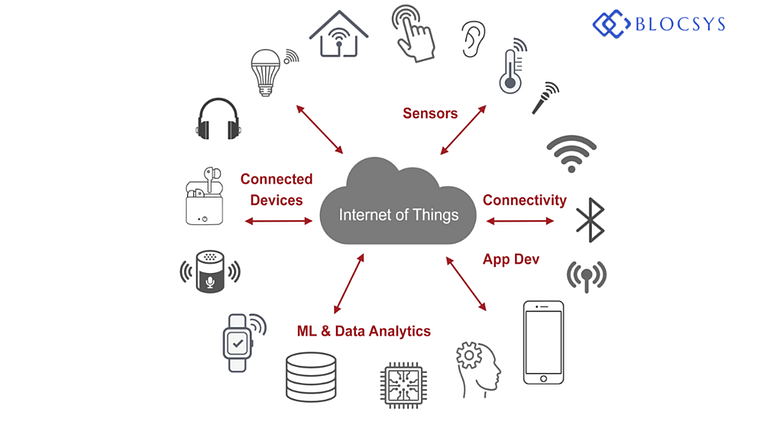
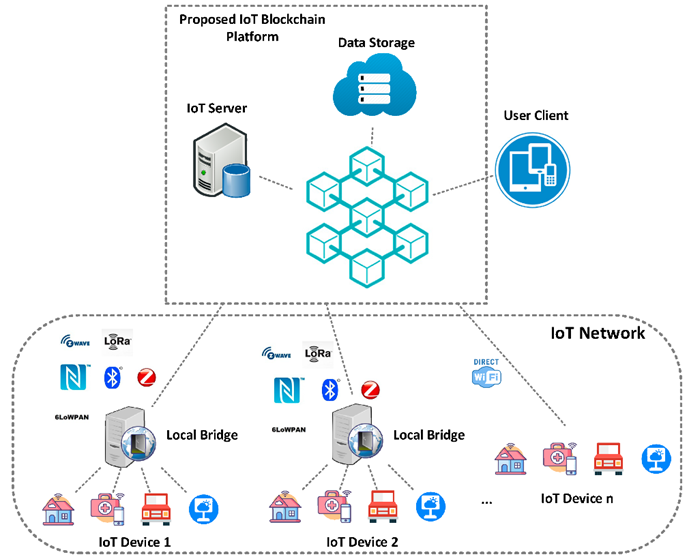
IoT refers to a network of connected devices — ranging from smart home appliances to industrial sensors — that collect and exchange data in real time. The goal of IoT is to gather valuable information that can improve efficiency, automate processes, and enhance user experiences. However, with millions of connected devices, the risk of data breaches, hacking, and information misuse grows significantly. This is where blockchain technology becomes invaluable.
Why Blockchain for IoT?
Blockchain is a decentralized digital ledger that records transactions across multiple computers, ensuring that information cannot be altered without network consensus. Its security, transparency, and resilience to cyberattacks make it a perfect complement to IoT.
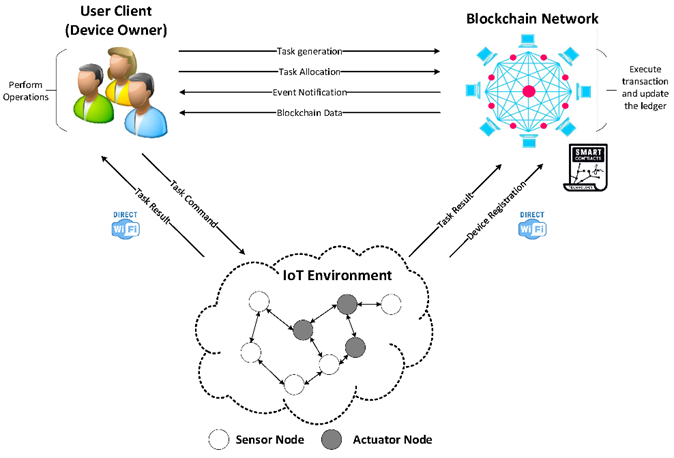
By combining blockchain with IoT, you create a secure system where each device can interact safely with others, without needing a central authority to verify transactions. Blockchain provides a tamper-proof, transparent record of all data exchanges, which builds trust and confidence in IoT networks.
Enhancing Security in IoT
Security is the top concern for IoT. While a hacked smart thermostat might be a minor inconvenience, a compromised industrial IoT system could lead to major operational disruptions or financial losses. Blockchain helps mitigate these risks by providing each IoT device with a unique, encrypted identity. Every interaction or transaction is automatically recorded on the blockchain, making it nearly impossible for bad actors to manipulate or steal data.
This level of security is especially critical in industries like healthcare, finance, and manufacturing, where the integrity of sensitive data cannot be compromised.
Streamlining Processes with Smart Contracts
Another advantage of integrating blockchain into IoT is the use of smart contracts — self-executing contracts with terms written directly into code. Imagine an IoT sensor monitoring equipment in a factory. If the sensor detects a malfunction, a smart contract could automatically schedule maintenance, order parts, and even initiate payments — all without human intervention.
This kind of automation reduces downtime, eliminates the need for intermediaries, and improves the overall efficiency of IoT networks. In industries where operational efficiency is key, blockchain-enabled IoT systems offer a significant competitive advantage.
Building Trust and Transparency
Transparency is another area where blockchain can revolutionize IoT. Take supply chain management, for example. IoT devices can track products from the manufacturing stage to the retail shelf, but ensuring the authenticity and condition of these products is still a challenge.
With blockchain, every step of the product’s journey is recorded on an immutable ledger that can be accessed by all stakeholders. This provides a single source of truth for businesses, regulators, and consumers. Imagine being able to verify every transaction, from the source of materials to the final delivery, with complete confidence that the information is accurate and tamper-proof.
Real-World Applications
Several industries are already benefiting from the combination of blockchain and IoT. In agriculture, IoT sensors monitor crop conditions, while blockchain ensures that the data remains secure and unaltered. This allows farmers to make better decisions based on real-time data, improving crop yields and resource management.
In the automotive sector, smart cars equipped with IoT devices gather data on driving habits, vehicle performance, and road conditions. Blockchain can securely store this data, enabling insurers to offer customized policies based on real driving behavior instead of estimates.
The Road Ahead
While the integration of blockchain and IoT is still in its early stages, the future is full of potential. Together, these technologies will drive innovation in areas where security, transparency, and efficiency are critical.
As IoT networks expand and more devices come online, blockchain will play an increasingly important role in securing these connections and maintaining the integrity of the data they generate. The future of IoT lies in its ability to operate securely and transparently, and blockchain is the key to making that vision a reality.
Frequently Asked Questions
Why is blockchain considered a good fit for IoT?
Blockchain is a decentralized digital ledger that records transactions across multiple computers, so information cannot be altered without network consensus. Its security, transparency, and resilience to cyberattacks complement IoT's need for safe device-to-device interaction. Together they let devices interact without needing a central authority to verify transactions.
How does blockchain improve security in IoT networks?
Blockchain gives each IoT device a unique, encrypted identity and automatically records every interaction or transaction on the ledger. This makes it nearly impossible for bad actors to manipulate or steal data. This added security is especially critical in industries like healthcare, finance, and manufacturing, where sensitive data integrity matters most.
What role do smart contracts play in blockchain-based IoT systems?
Smart contracts are self-executing contracts with terms written directly into code. For example, if an IoT sensor detects an equipment malfunction, a smart contract can automatically schedule maintenance, order parts, and initiate payments without human intervention. This automation reduces downtime, removes the need for intermediaries, and boosts overall efficiency.
How does blockchain support transparency in supply chains?
IoT devices can track products from manufacturing to the retail shelf, but blockchain ensures every step of that journey is recorded on an immutable ledger accessible to all stakeholders. This creates a single source of truth for businesses, regulators, and consumers. As a result, materials sourcing and final delivery can be verified with confidence that the data is accurate and tamper-proof.
Which industries are already using blockchain and IoT together?
In agriculture, IoT sensors monitor crop conditions while blockchain keeps that data secure and unaltered, helping farmers improve yields and resource management. In the automotive sector, smart cars use IoT devices to gather data on driving habits and vehicle performance, which blockchain securely stores so insurers can offer customized policies based on real driving behavior.
What is the future outlook for blockchain and IoT integration?
The integration of blockchain and IoT is still in its early stages, but its potential is significant. As IoT networks expand and more devices come online, blockchain will play an increasingly important role in securing connections and maintaining data integrity, driving a more secure, transparent, and efficient digital ecosystem.
