
What is Blockchain-Powered Digital Identity?
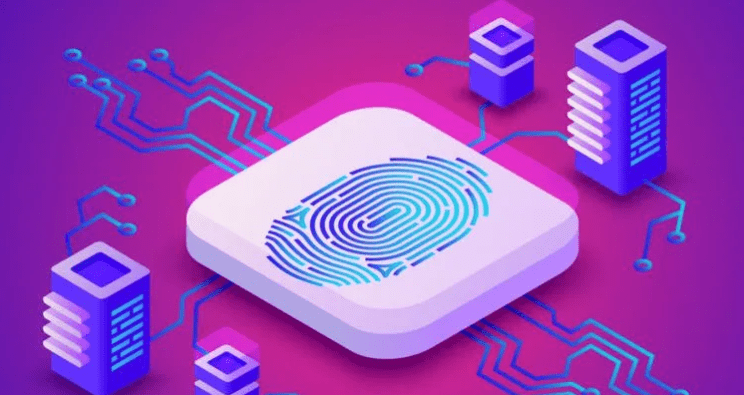
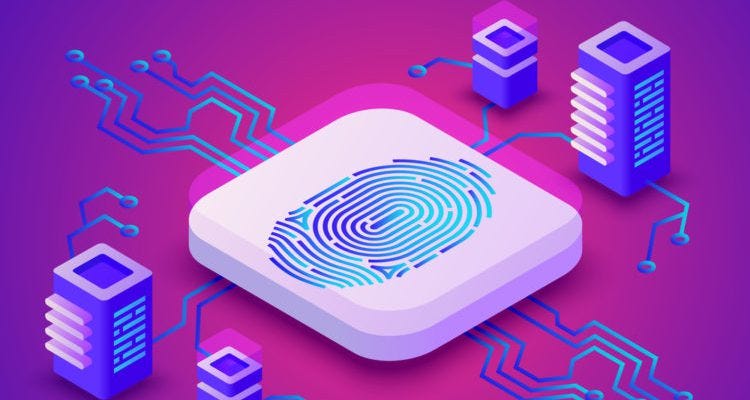
A blockchain-powered digital identity is a decentralized system where individuals can store, share, and control their personal information on a blockchain network. Unlike traditional identity systems where personal data is stored on centralized servers vulnerable to hacking, a blockchain-based identity system distributes data across multiple nodes in a secure and immutable ledger.
In this system, each user has a unique cryptographic identity called a digital identity wallet, which stores personal credentials like birth certificates, passports, or academic qualifications. This identity wallet is protected by encryption and can only be accessed with the user’s private key, ensuring that the owner has full control over their data.
Why Blockchain for Digital Identity?
Security and Privacy: Blockchain’s decentralized architecture eliminates the risk of single-point failure. Even if one node is compromised, the rest of the network remains intact. Additionally, personal data is stored using cryptographic hashing, ensuring that sensitive information is never exposed to unauthorized entities.
Learn more from IBM Blockchain for Digital Identity.
Data Ownership: One of the primary benefits of blockchain-based digital identities is that users retain ownership of their data. Unlike centralized identity systems controlled by third-party institutions, individuals in a blockchain system can choose when, how, and with whom they share their information.
Immutability and Transparency: Blockchain’s immutable ledger means that once data is recorded, it cannot be altered or deleted. This transparency builds trust between users and organizations, as any modifications are publicly verifiable, reducing the likelihood of fraud or identity theft.
Interoperability: Blockchain-powered identities can be used across various platforms and services, eliminating the need for multiple accounts or verification processes. With cross-chain interoperability protocols, users can seamlessly access financial services, healthcare systems, and government platforms using a single identity. Read more from Deloitte Insights on Blockchain Identity.
Use Cases of Blockchain-Powered Digital Identity
Financial Services: Blockchain-based identities can transform KYC (Know Your Customer) processes by enabling users to share verified credentials directly with financial institutions. This can streamline the onboarding process and reduce fraud.
Healthcare: Patients can use blockchain-powered digital identities to securely store and share their medical records. Healthcare providers can access accurate, up-to-date information without the risk of unauthorized access or tampering. Learn how blockchain can transform healthcare from the World Economic Forum.
Government Services: Governments can issue digital IDs on a blockchain network, reducing paperwork and improving accessibility to services such as voting, taxation, and welfare benefits.
E-commerce: By integrating blockchain-based identity solutions, e-commerce platforms can offer faster and more secure checkout processes, as users can verify their identities instantly.

Frequently Asked Questions
What is a blockchain-powered digital identity?
A blockchain-powered digital identity is a decentralized system that lets individuals store, share, and control their personal information on a blockchain network instead of centralized servers. Each user has a unique cryptographic digital identity wallet that stores credentials like birth certificates, passports, or academic qualifications. Access is protected by encryption and requires the user's private key, giving the owner full control over their data.
How does blockchain improve security and privacy for digital identities?
Blockchain's decentralized architecture removes the risk of single-point failure, so even if one node is compromised, the rest of the network stays intact. Personal data is also protected using cryptographic hashing, ensuring sensitive information is never exposed to unauthorized entities.
Who owns the data in a blockchain-based identity system?
Unlike centralized identity systems controlled by third-party institutions, blockchain-based digital identities let users retain ownership of their own data. Individuals can decide when, how, and with whom they share their information.
What does immutability mean for blockchain digital identities?
Blockchain's immutable ledger means that once data is recorded, it cannot be altered or deleted. This creates transparency and trust between users and organizations, since any modifications are publicly verifiable, which reduces the likelihood of fraud or identity theft.
What are the main use cases for blockchain-powered digital identity?
Key use cases include streamlining KYC processes in financial services, securely storing and sharing medical records in healthcare, issuing government-backed digital IDs for services like voting and taxation, and enabling faster, more secure checkouts in e-commerce.
How does interoperability benefit blockchain digital identities?
Blockchain-powered identities can be used across multiple platforms and services, removing the need for separate accounts or repeated verification processes. With cross-chain interoperability protocols, users can access financial services, healthcare systems, and government platforms using a single identity.
