
Introduction
Non-fungible tokens (NFTs) have gained widespread attention for their role in the art and collectibles market. However, their true potential extends far beyond digital art. As blockchain technology evolves, NFTs are being used in innovative ways to tokenize real-world assets, create immersive experiences, and revolutionize industries such as real estate, gaming, and entertainment. In this blog, we’ll explore the expanding utility of NFTs and their role in creating tokenized experiences and real-world assets.
What Are NFTs?
NFTs, or non-fungible tokens, are unique digital assets stored on a blockchain. Unlike cryptocurrencies like Bitcoin or Ethereum, which are interchangeable, NFTs represent individual, non-replicable items. The early use of NFTs centered on digital art, music, and collectibles, but the technology is increasingly being applied to real-world use cases.
The initial generation of AI agents primarily concentrated on automating straightforward, repetitive tasks.
With advancements in AI technology, the emergence of machine learning represented a pivotal development in the evolution of AI agents. These agents gained the ability to learn from data, recognize patterns, and make decisions without explicit programming.
Tokenizing Real-World Assets
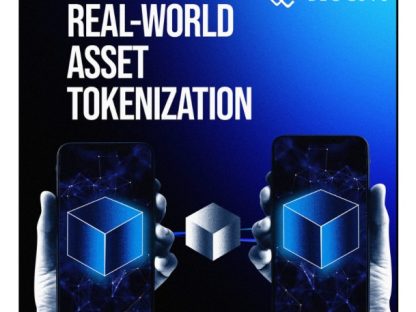
One of the most exciting advancements in NFTs is their ability to represent real-world assets. Tokenizing assets such as real estate, vehicles, or even precious metals allows for fractional ownership, increased liquidity, and easier transfer of ownership.
For instance, Propy is a real estate platform that enables users to buy and sell property using blockchain technology. By representing property deeds as NFTs, Propy streamlines the transaction process and reduces legal complexities. Tokenized real estate not only democratizes investment opportunities but also simplifies the management of physical assets.
Enhanced Accessibility
What is NFTs?
NFTs, or non-fungible tokens, are unique digital assets stored on a blockchain. Unlike cryptocurrencies like Bitcoin or Ethereum, which are interchangeable, NFTs represent individual, non-replicable items. The early use of NFTs centered on digital art, music, and collectibles, but the technology is increasingly being applied to real-world use cases.
Improving Operational Efficiency
One of the most exciting advancements in NFTs is their ability to represent real-world assets. Tokenizing assets such as real estate, vehicles, or even precious metals allows for fractional ownership, increased liquidity, and easier transfer of ownership.
For instance, Propy is a real estate platform that enables users to buy and sell property using blockchain technology. By representing property deeds as NFTs, Propy streamlines the transaction process and reduces legal complexities. Tokenized real estate not only democratizes investment opportunities but also simplifies the management of physical assets.
NFTs in Gaming and Virtual Experiences
NFTs are transforming the gaming industry by enabling players to own in-game assets such as characters, skins, or weapons, which they can buy, sell, or trade on open marketplaces. This allows players to create real-world value from their virtual achievements. Platforms like Enjin provide the infrastructure for creating and managing blockchain-based assets in video games.
In addition, NFTs are being used to create immersive experiences in the metaverse. Platforms like Decentraland allow users to purchase and own virtual land and items as NFTs, enabling a new form of social interaction and economy within virtual worlds.
NFTs in Supply Chain and Authentication
Beyond virtual experiences, NFTs are playing a crucial role in supply chain management and authentication of luxury goods. By tokenizing products, companies can track their journey from production to end-user, ensuring transparency and eliminating counterfeit products. For example, high-end fashion brands like Chanel and Louis Vuitton are exploring the use of NFTs to authenticate products and provide customers with proof of origin.
NFTs and Intellectual Property Rights
Another significant use case for NFTs is in the realm of intellectual property (IP) rights. Artists, musicians, and creators can tokenize their works and sell them as NFTs, granting buyers ownership or licensing rights to use the content. This ensures creators retain control over their works and are fairly compensated for their contributions.
NFTs in Ticketing and Events
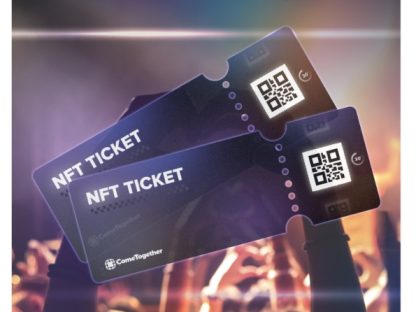
NFTs are also being used in the entertainment industry to revolutionize ticketing. Traditional ticketing systems are plagued with issues like fraud, scalping, and high fees. By issuing tickets as NFTs, event organizers can verify ticket authenticity and even include additional perks such as access to exclusive content or experiences. NFT ticketing platforms like YellowHeart are already paving the way for blockchain-based event ticketing.
The Future of NFT Utility
As the technology matures, the potential for NFTs to transform industries beyond art is becoming increasingly clear. Whether it’s tokenizing real-world assets, providing new avenues for digital ownership, or enhancing supply chain transparency, NFTs are poised to play a critical role in shaping the future of various sectors.
Conclusion
While NFTs gained initial attention in the art world, their utility goes far beyond digital art and collectibles. From tokenizing real-world assets to transforming gaming, supply chains, and intellectual property, NFTs are unlocking new possibilities in both the virtual and physical realms. As more industries adopt blockchain technology, the use of NFTs will continue to expand, offering new opportunities for innovation and value creation.
Our Services:
- AI Solutions
- RWA Tokenization
- Telegram Mini Apps
- DeFi/DApp Solutions
- NFT Marketplaces
- Launchpad
Why Choose Us? Industry Expertise | Global Reach | Rapid Time-to-Market
Let’s build the future together. www.blocsys.com
