

Understanding Blockchain Scalability Challenge
At its core, blockchain is about distributing trust. Every transaction must be verified and recorded across a decentralized network of nodes. While this ensures security and transparency, it also limits how quickly and efficiently the system can process large volumes of transactions. This becomes a significant hurdle as more users and applications join the network, leading to:
⦁ Network congestion: As more transactions are submitted, they queue up, causing delays.
⦁ Higher transaction fees: With increased demand, users have to pay more to prioritize their transactions.
⦁ Slower processing times: Blockchains can only handle a limited number of transactions per second (TPS), creating bottlenecks.
These issues become especially prominent during times of high traffic, making blockchain less attractive for large-scale or high-frequency use cases. Layer 2 solutions aim to address these problems directly.
What Are Layer 2 Solutions?
Layer 2 solutions operate on top of the existing blockchain (Layer 1) to take some of the transaction load off the main network. The idea is simple: offload some processes from Layer 1 to an additional layer where transactions can be handled faster and more efficiently, before settling them back on the main blockchain.
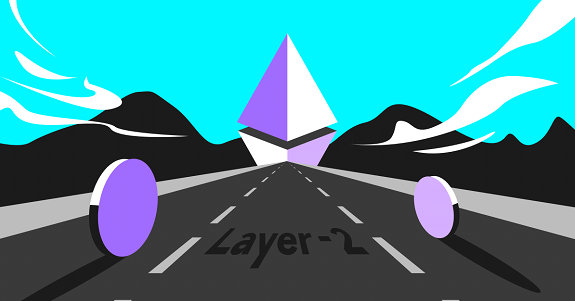
Think of Layer 1 as the highway and Layer 2 as a fast-moving side road. While the highway (Layer 1) is busy and congested, the side road (Layer 2) allows for quicker travel with fewer delays.
Some of the most popular Layer 2 solutions include:
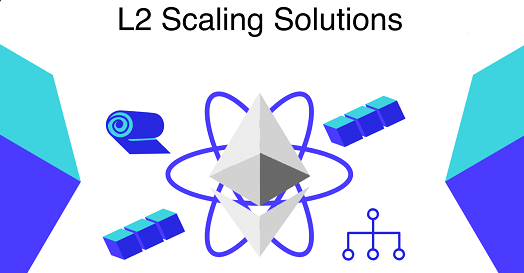
⦁ State Channels: This solution allows users to conduct multiple transactions off-chain, only settling the final state on the blockchain. A well-known example is the Lightning Network for Bitcoin. Here, parties open a channel, perform numerous micro-transactions off-chain, and only record the final result on Layer 1, drastically reducing congestion.
⦁ Sidechains: Sidechains are independent blockchains connected to the main chain (Layer 1). They handle transactions separately and periodically settle them on the main blockchain. This helps distribute the transaction load while maintaining the benefits of decentralization. Examples include Polygon for Ethereum.
⦁ Rollups: Rollups bundle or “roll up” multiple transactions into a single batch and submit them to the main blockchain as a single transaction. This reduces the processing burden on Layer 1 while preserving security. There are two types: Optimistic Rollups and ZK-Rollups, both designed to optimize scalability without compromising security.
The Impact of Layer 2 on Blockchain Scalability
Layer 2 solutions have made significant strides in addressing the limitations of Layer 1 blockchains, providing several tangible benefits:
⦁ Increased Throughput: By offloading transactions from the main blockchain, Layer 2 solutions significantly increase the number of transactions that can be processed per second (TPS). This makes blockchain networks more capable of handling higher demand without slowing down.
⦁ Reduced Transaction Fees: With less congestion on the main network, transaction fees naturally decrease. Layer 2 solutions, especially rollups, help reduce the cost of transactions, making blockchain applications more affordable for users.
⦁ Enhanced User Experience: Faster transaction times and lower fees result in smoother interactions for users. Whether it’s for decentralized finance (DeFi) applications, gaming, or other high-frequency blockchain activities, Layer 2 solutions provide a more user-friendly experience.
⦁ Unlocking New Use Cases: With improved scalability, blockchain can now support a wider range of applications, from high-frequency trading and micropayments to complex smart contracts. This opens the door for industries like finance, supply chain, and entertainment to fully embrace blockchain technology without being hindered by performance issues.
The Future of Layer 2 Solutions
Layer 2 is not a temporary fix — it’s a key part of the blockchain’s future. As the demand for blockchain technology continues to grow, Layer 2 solutions will become even more critical in ensuring that these networks can scale efficiently. Innovations in this space are ongoing, with newer technologies like Validium and Plasma pushing the boundaries of what Layer 2 can achieve.
Looking ahead, the collaboration between Layer 1 and Layer 2 will lead to more robust, scalable ecosystems. We’re already seeing this with Ethereum 2.0, which combines Layer 2 solutions with a Layer 1 upgrade (sharding) to enhance scalability while maintaining security and decentralization.
Frequently Asked Questions
What is the main scalability challenge facing blockchains today?
Because every transaction must be verified and recorded across a decentralized network of nodes, blockchains face network congestion, higher transaction fees, and slower processing times as more users and applications join. These issues become especially prominent during periods of high traffic, limiting how many transactions per second (TPS) a blockchain can handle.
What are Layer 2 solutions?
Layer 2 solutions operate on top of an existing blockchain (Layer 1) to take some transaction load off the main network. They offload processes to an additional layer where transactions are handled faster and more efficiently, before settling the final results back on the main blockchain.
What types of Layer 2 solutions exist?
The main types include state channels, sidechains, and rollups. State channels, like the Lightning Network for Bitcoin, allow off-chain transactions with only the final state settled on-chain. Sidechains, such as Polygon for Ethereum, are independent blockchains that periodically settle with the main chain. Rollups bundle multiple transactions into a single batch submitted to Layer 1, and come in two forms: Optimistic Rollups and ZK-Rollups.
What benefits do Layer 2 solutions provide?
Layer 2 solutions increase transaction throughput, reduce transaction fees, and enhance the overall user experience with faster, smoother interactions. They also unlock new use cases, such as high-frequency trading, micropayments, and complex smart contracts, enabling industries like finance, supply chain, and entertainment to fully adopt blockchain technology.
How do Layer 2 solutions relate to Ethereum 2.0?
Ethereum 2.0 combines Layer 2 solutions with a Layer 1 upgrade known as sharding to enhance scalability while maintaining security and decentralization. This reflects a broader trend of collaboration between Layer 1 and Layer 2 to build more robust, scalable blockchain ecosystems.
What does the future hold for Layer 2 solutions?
Layer 2 is considered a key part of blockchain's future rather than a temporary fix, becoming more critical as demand for blockchain technology grows. Newer technologies like Validium and Plasma are pushing the boundaries of what Layer 2 can achieve, driving the development of more scalable and sustainable blockchain ecosystems.
