Start Your Own Digital Gold and Silver App in India: 8 Steps from Planning to Launch
Buying gold used to mean a trip to the jeweller, cash in hand, and a fair bit of trust in the shopkeeper’s word. That’s changed. Today, millions of Indians buy gold and silver through apps, in amounts as small as a few rupees, without ever visiting a store. If you’re an entrepreneur, jeweller, or fintech founder, this shift opens a real opportunity. But here’s the thing: if you want to start a digital gold app in India, you’re not just building software. You’re building a business that touches physical metal, customer money, and regulatory responsibility all at once.
This article walks through the eight steps that matter, in the order they actually need to happen. We’ll cover business models, sourcing, custody, platform features, integrations, compliance, development approach, and launch readiness. By the end, you should have a clear sense of what it actually takes to start a digital gold and silver business in India, not just what it takes to ship an app.
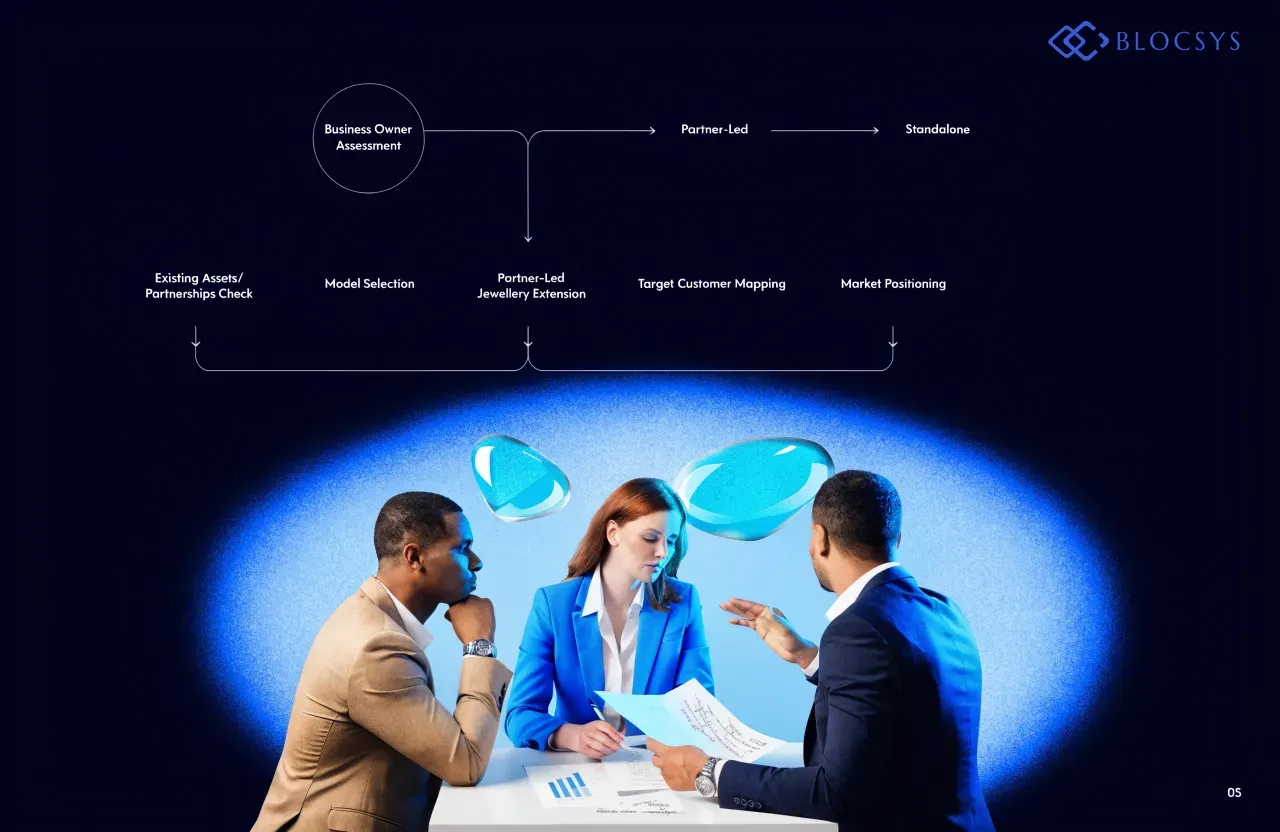
Step 1: Identify Your Digital Gold and Silver Business Model
Before you write a single line of a business plan, you need to answer one question: what kind of digital gold business are you actually running? This decision shapes everything downstream, from your legal structure to your technology stack.
Broadly, entrepreneurs entering this space tend to follow one of three paths. The first is operating a branded digital platform that relies on a sourcing or liquidity partner to handle the actual gold and silver. You own the customer relationship and the app experience, while the partner manages supply, purity, and often custody.
The second path suits existing jewellery or bullion businesses. Here, you add a digital gold and silver app as an extension of a business you already run, using your existing supplier relationships and physical inventory as backing.
The third path is building a dedicated digital precious metal business from the ground up, with no prior retail presence. This route demands more upfront work on sourcing and custody, since you have no existing infrastructure to lean on.
The biggest mistake founders make is picking a business model based on what the app can do, instead of picking the app based on what the business model requires. The technology should follow the business decision, never the other way around.
Your choice here determines your revenue structure too. A partner-led model usually means margin-sharing or commission arrangements. A self-sourced model gives you full margin control but adds operational weight. Think about which trade-off fits your resources before you move to market research.
Step 2: Research the Indian Market and Define Your Target Customers
Once you know your business model, you need to understand who you’re actually selling to. India’s digital gold audience isn’t one block of people. It includes first-time small investors, existing jewellery customers who want a digital top-up option, bullion buyers looking for convenience, and digitally active consumers who treat gold like a savings habit.
Look closely at existing digital gold and silver services already operating in India. What do their apps let customers do? How do they price transactions? What’s missing that your target customer would actually want? This isn’t about copying features. It’s about finding the gap your business model is best positioned to fill.
Ask yourself a direct question: why would someone choose your app over an existing one? Maybe it’s trust tied to your jewellery brand. Maybe it’s a silver-focused offering that’s underserved. Maybe it’s a smoother redemption process. Whatever it is, write it down. It’ll guide your feature decisions in Step 4.
Also consider transaction size expectations. Indian digital gold buyers often start with small, recurring purchases. Your pricing, minimum transaction limits, and payment options should reflect that behaviour rather than assume large one-time investments.
Step 3: Establish Gold and Silver Sourcing, Custody and Business Partnerships
Here’s where many founders slow down, and rightly so. Before you can start a digital gold app in India, you need actual gold and silver arrangements in place. An app screen showing “grams purchased” means nothing unless there’s real metal, purity verification, and a custody structure behind it.
You’ll need reliable suppliers or liquidity partners who can provide gold and silver at verifiable purity standards. Many digital gold providers in India work with recognised refiners or bullion partners, and some arrangements involve insured vaulting through third-party custodians. The specific structure depends heavily on your chosen business model from Step 1.
Storage and custody arrangements need clear answers too. Who physically holds the metal? How is it insured? What happens during reconciliation between what customers have purchased digitally and what sits in the vault? These aren’t technical questions. They’re operational and contractual ones that must be settled with your partners directly.
Redemption is another piece that needs early clarity. If a customer wants to convert digital holdings into physical gold or silver, who fulfils that request, how is purity guaranteed, and what are the delivery or collection terms? Customers will ask these questions, and your business needs answers before launch, not after.
It’s worth repeating this clearly: developing an application does not create physical asset backing on its own. The app displays data. The business, through its sourcing and custody partnerships, is what makes that data trustworthy. Get this foundation right before you even start thinking about screens and workflows.
Step 4: Define the Essential Features of Your Digital Gold and Silver App
With your business model and sourcing arrangements settled, you can now define what the application actually needs to do. This is where digital gold platform requirements get translated into real features, not a wish list of everything you’ve seen in competitor apps.
On the customer side, you’ll typically need account registration and KYC capture, gold and silver purchase and selling workflows, real-time holdings visibility, transaction history, payment options, redemption requests, and notifications for price movements or order confirmations. Simplicity matters here. A confusing purchase flow loses customers faster than a missing feature.
On the administrative side, your team needs dashboards for transaction monitoring, supplier and inventory reconciliation, customer support tools, reporting for audits, and controls for pricing updates. These back-office functions often get less attention during planning, yet they’re what keeps daily operations running smoothly.
Resist the urge to add every feature you’ve seen elsewhere. Prioritise based on your actual customers and your partner integrations. A silver-focused platform built for small daily buyers needs a different feature set than a bullion-dealer extension serving larger, less frequent transactions. Match features to your Step 2 research, not to a generic checklist.
Step 5: Plan Pricing, Payments and Third-Party Integrations
A digital gold app lives and dies by its integrations. Get these wrong, and even the best-designed interface won’t function reliably. Get them right, and the platform runs itself for the most part.
You’ll need a dependable source for gold and silver pricing data, which typically gets pulled from market rate feeds and then adjusted for your business’s applicable charges, margins, and any taxes. It’s important to separate indicative market prices from the actual rate shown to a customer at checkout. The two aren’t the same, and your app should make that distinction clear rather than implying the market rate is what the customer pays.
Payment gateway integration needs to support the payment methods Indian customers actually use, including UPI, cards, and net banking. Every purchase or sale confirmation should trigger a matching ledger entry, so that transaction reconciliation between payments received and metal allocated stays accurate at all times.
Beyond pricing and payments, you’ll likely need supplier or custody-system connections for inventory updates, notification services for order alerts, and administrative reporting tools. Each of these pieces needs to talk to the others cleanly. A pricing update that doesn’t reflect in the purchase screen within seconds, or a payment confirmation that doesn’t update holdings immediately, creates real customer trust problems.
This is one of the more technical stages of planning, and it’s where a solid digital gold and silver app development partner earns their value, by making sure these moving pieces are built to work together reliably from day one.
Step 6: Understand Regulatory, Legal and Security Requirements
This step deserves careful attention, and no shortcuts. Before you accept a single customer transaction, you need to understand the legal and regulatory shape of your specific business model.
Here’s an important clarification: digital gold business models in India aren’t governed by one single rulebook. The requirements depend on what you’re actually offering, who your partners are, how payments flow, and whether you’re dealing in physical delivery, storage, or purely digital representation of value. A partner-led model and a self-custody model can carry different regulatory considerations. Don’t assume one approval or registration covers every variation of this business.
What you should expect to address includes appropriate business registration, clear contractual terms with sourcing and custody partners, consumer-facing disclosures about pricing, charges, and redemption terms, and compliance with data protection obligations for customer information. Payment handling needs to align with norms set by India’s financial regulators, and your technology stack needs serious attention to cybersecurity, authentication, and access controls.
Transaction monitoring and audit record-keeping aren’t optional extras. They’re what lets you respond credibly if a customer disputes a transaction or if a regulator asks questions. Given how this landscape has evolved and continues to evolve, it’s worth consulting a legal or compliance advisor familiar with India’s financial and fintech regulatory environment before you finalise your structure. Authoritative sources such as the Reserve Bank of India and the Securities and Exchange Board of India publish guidance relevant to parts of this space, and checking current publications directly is a better move than relying on secondhand summaries.
Founders often treat compliance as a final checklist item before launch. In this business, it has to shape your model from day one. Retrofitting compliance onto a live platform handling customer money is far harder than designing for it upfront.
Step 7: Choose the Right Digital Gold and Silver App Development Approach
Now you’re ready to think about how the platform actually gets built. You have three broad choices here: a fully custom-built platform, a white-label solution, or a third-party platform arrangement where you operate under someone else’s infrastructure.
A custom digital gold app development approach gives you full control over branding, feature set, integrations, and how the platform scales as your business grows. It typically takes more time and investment upfront, but you own the product outright and aren’t limited by someone else’s roadmap. A white-label solution gets you to market faster since the core platform already exists, though you’ll have less flexibility to adapt it to your specific sourcing, custody, or operational setup. Third-party platform arrangements reduce your technology burden entirely, but usually mean reduced control over customer experience and branding.
Whichever route you lean toward, evaluate your technology partner carefully. Look at whether they actually understand precious metal business workflows, not just generic app development. Check their experience with payment integrations, pricing feeds, and security practices relevant to financial applications. Ask how they handle post-launch support, because a digital gold platform needs ongoing maintenance, not a one-time delivery.
This is where a firm like Blocsys Technologies Pvt. Ltd. fits into the picture. Blocsys works with businesses planning custom digital gold and silver application development, building platforms around the specific business model, branding, and operational requirements the client brings to the table, rather than offering a one-size-fits-all product. If you’re weighing a custom digital precious metal platform against a white-label shortcut, that’s a conversation worth having with a development partner who’s built these systems before, you can review Blocsys’s approach on their digital gold and silver app development service page.
Step 8: Test, Launch and Manage Your Digital Gold and Silver App
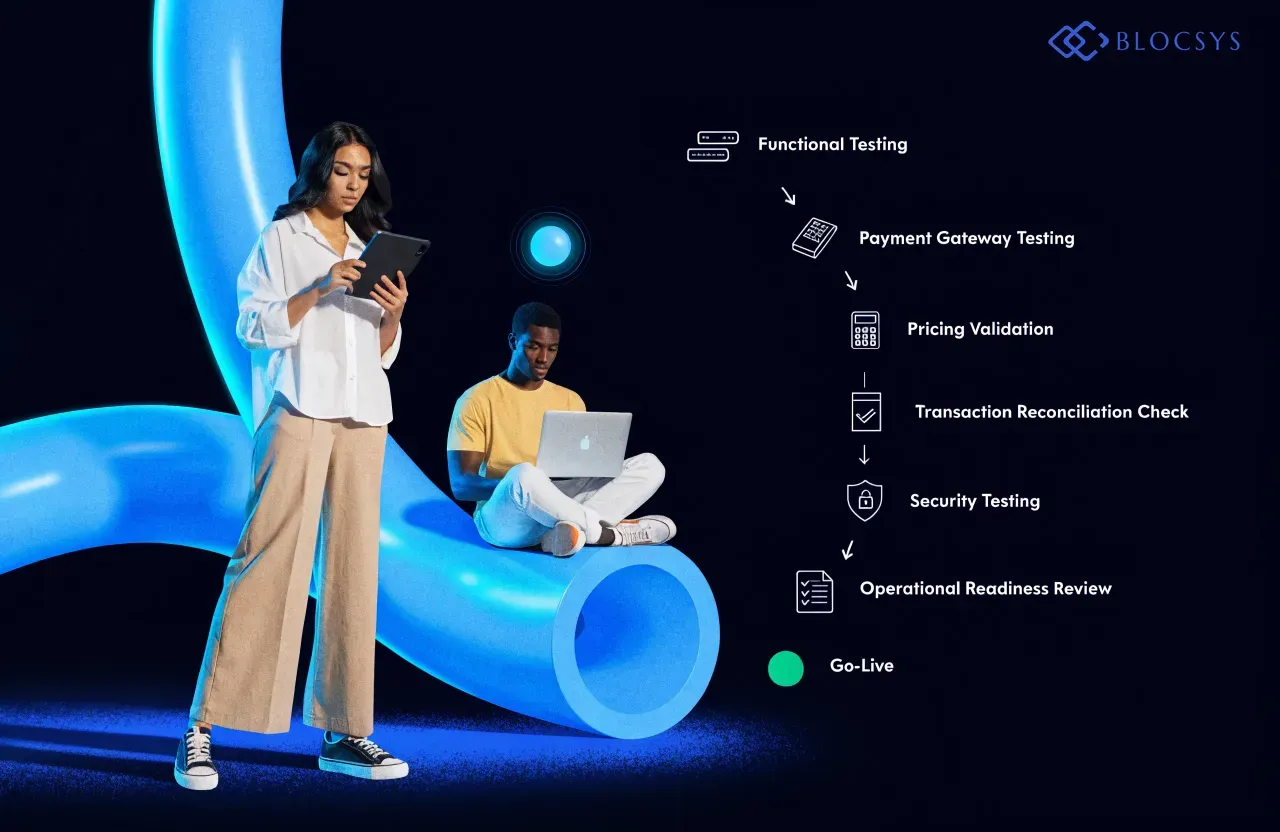
You’re close now, but this stage still needs real rigour. Before customers ever touch the app, every workflow needs thorough testing. That means functional testing of registration and purchase flows, payment gateway testing under real transaction conditions, and pricing validation to confirm rates update correctly and consistently.
Transaction reconciliation testing matters enormously here. Run simulated purchases and sales and confirm that what the ledger shows matches what your custody and supplier records show. Security testing, including authentication checks and access control reviews, should happen before launch, not after a problem surfaces.
Beyond the technical checklist, think about your operational readiness. Who handles customer support queries on day one? How will you monitor platform performance once real traffic starts flowing? What’s your process when a transaction fails midway, or a customer disputes a price shown at purchase time? These aren’t app features. They’re business processes that need owners and clear steps.
Launching the app successfully and running a fully operational precious metal business are two different milestones. A clean technical deployment tells you the software works. It doesn’t tell you whether your support team, your reconciliation process, or your partner coordination can handle real customer volume. Plan for both, and treat the weeks right after launch as an active monitoring period, not a finish line.
How Blocsys Helps Businesses Develop Digital Gold and Silver Applications
Blocsys Technologies Pvt. Ltd. works as a technology development partner for entrepreneurs, fintech startups, jewellers, and precious metal businesses planning to start a digital gold and silver app in India. Rather than offering a fixed template, Blocsys builds custom digital precious metal platforms shaped around the client’s actual business model, branding, customer workflows, and integration needs.
That includes building out the customer-facing purchase and selling experience, administrative dashboards for operational teams, and the integrations discussed earlier, such as pricing feeds, payment gateways, and reconciliation tools. Because every digital gold and silver business looks a little different depending on sourcing arrangements and target customers, the development process is built to translate those specific requirements into a working platform rather than forcing a generic structure onto the business.
If you’re trying to figure out what your platform actually needs, from feature scope to integration complexity, that’s a conversation worth having early, before development even starts. You can explore the full scope of services on the digital gold and silver app development page, or look at Blocsys‘s broader work in blockchain and digital asset platform development for additional context on their technical background.
Bringing It All Together
Starting a digital gold and silver business in India is a sequence, not a single leap. You start by picking a business model that fits your resources and relationships. From there, you research your actual customer base, lock in sourcing and custody arrangements, define the features your specific business needs, and plan the integrations that make pricing and payments work reliably. Then comes the regulatory groundwork, a development approach that matches your scale and ambition, and finally, disciplined testing and launch management.
Skip any of these steps, and the app might still launch, but the business underneath it will struggle. A platform without real sourcing behind it isn’t a digital gold business. A business without clear compliance footing is carrying risk it hasn’t accounted for.
If you’ve worked through your business model, sourcing arrangements, and feature requirements, and you’re ready to talk about what a custom build actually looks like, Blocsys’s digital gold and silver app development team can walk through your specific requirements, from platform scope to integration needs, and help map out what a build tailored to your business would involve.
Frequently Asked Questions
Here are direct answers to the questions we hear most often about starting a digital gold and silver app business in India.
How can I start a digital gold and silver app business in India?
Start by choosing your business model, whether that’s a partner-led platform, a jewellery business extension, or a standalone digital precious metals business. From there, establish sourcing and custody arrangements, define your app’s features, and address compliance before moving into development.
Each stage builds on the last. Skipping sourcing and compliance to jump straight into app development is the most common mistake we see founders make.
What business models are available for launching a digital gold platform?
The three common approaches are operating under a sourcing or liquidity partner’s backing, extending an existing jewellery or bullion business digitally, or building a dedicated standalone digital precious metals business.
Your choice affects revenue sharing, operational responsibility, and how much control you retain over customer experience and partner relationships.
What partnerships are required to start a digital gold and silver application?
You’ll typically need gold and silver sourcing partners, custody or vaulting providers for physical storage, payment gateway providers, and a pricing data provider for market rates.
The exact partnerships depend on your business model from Step 1. A partner-led model may bundle sourcing and custody together, while a standalone business may need to arrange each separately.
How can a digital gold app ensure physical gold backing?
Physical backing comes from verified sourcing and custody arrangements, not from the app itself. The business must work with recognised suppliers or refiners and maintain insured storage, with regular reconciliation between digital holdings and actual vaulted metal.
The application only displays this data accurately. The backing itself is an operational and contractual responsibility handled outside the software layer.
What features should a digital gold and silver app include?
Core features include account registration, purchase and selling workflows, holdings visibility, transaction history, payment options, redemption requests, and notifications. Administrative features should cover reconciliation, reporting, and customer support tools.
Prioritise based on your target customers and partner integrations rather than copying every feature from competitor apps.
How can gold and silver pricing be integrated into a digital application?
Pricing integration pulls market rate data from a reliable feed, then applies your business’s margins and applicable charges to generate the rate shown to customers. This calculated rate should update in near real time.
Keep indicative market prices visually distinct from the actual transaction rate, since the two serve different purposes and shouldn’t be confused in the customer interface.
What legal and regulatory requirements should I consider before launching a digital gold app in India?
Requirements vary based on your specific business model, products, and partnerships, so there’s no single registration that covers every digital gold business. Consider business registration, consumer disclosures, data protection compliance, and payment handling norms relevant to your structure.
Consult a legal or compliance advisor familiar with India’s fintech regulatory environment, and check current guidance from relevant financial regulators before finalising your model.
How much does it cost to develop a digital gold and silver application in India?
Development cost depends on factors like application scope, the number of integrations, administrative complexity, security requirements, and whether you choose a custom build versus a white-label solution.
A platform with extensive custody and reconciliation integrations will naturally cost more than a simpler, partner-backed app with fewer moving parts. Discuss your specific requirements with a development partner for an accurate estimate.
How long does it take to develop and launch a digital gold and silver app?
Timelines depend on feature scope, integration complexity, testing requirements, and how quickly sourcing and compliance arrangements get finalised on the business side.
A simpler platform with fewer integrations moves faster than one requiring extensive custody, reconciliation, and security testing. Business-side readiness often affects the timeline as much as development work itself.
How can Blocsys help develop a custom digital gold and silver application?
Blocsys Technologies Pvt. Ltd. builds custom digital gold and silver platforms shaped around a business’s specific model, branding, customer workflows, and integration needs, rather than offering a fixed template.
You can review their approach and service scope on the digital gold and silver app development page to see how it aligns with your business requirements.
Ready to move beyond theory and build an intelligent platform that delivers real-world value? Blocsys Technologies specialises in engineering enterprise-grade AI and blockchain solutions for the fintech, Web3, and digital asset sectors. Connect with our experts today to discuss your vision and chart a clear path from concept to a secure, scalable reality.