Gamification in Digital Gold Apps: Features That Improve Customer Engagement and Retention
Launching a digital gold app is the easy part, relatively speaking. The harder question comes right after registration: what keeps a customer opening your app next week, next month, or next festive season? This is where gamification in digital gold apps earns its place in product strategy. Done well, it turns a transactional savings tool into something customers actually want to check in on. If you’re planning or refining a platform, exploring digital gold and silver app development with gamification baked in from the start is worth serious consideration.
Most digital gold businesses get the purchase flow right. Fewer get the “what happens after” right. That gap is exactly what gamification is built to close, provided it’s implemented responsibly rather than as a gimmick bolted onto an existing app.
What Is Gamification in Digital Gold Apps?
Gamification in digital gold apps means adding game-inspired elements, such as goals, progress tracking, badges, and challenges, to an otherwise straightforward savings or buying experience. It doesn’t change what the product does. It changes how the customer experiences doing it.
Picture a customer who wants to save two grams of gold before Akshaya Tritiya. In a gamified app, she sets that target, watches a progress bar fill as she contributes, and gets a small on-screen acknowledgement when she hits the halfway mark. That’s it. No pressure, no countdown timer screaming “buy now.”
Gamification in digital gold applications is not about turning gold purchases into a game of chance. It’s not a wheel-spin, and it’s not a mechanism to nudge people into buying more than they intended. Responsible gamification respects the fact that gold is a savings and investment decision, not entertainment.
The moment a savings feature starts feeling like a slot machine, you’ve crossed from engagement design into manipulation. Progress tracking should motivate discipline, not impulse purchases.
Why Customer Engagement and Retention Matter for Digital Gold Businesses
A customer who downloads your app and buys gold once isn’t a success story yet. Digital gold customer retention depends on what happens across the following months, not the first transaction.
Several business realities push this point home. First, acquisition costs for fintech apps keep climbing, so retaining an existing customer is almost always cheaper than acquiring a new one. Second, customers who engage regularly tend to explore more of what your app offers, from SIP-style recurring purchases to redemption options.
Furthermore, India’s digital gold market is crowded. Jewellery retailers, bullion dealers, and standalone fintech platforms are all competing for the same wallet share. Digital gold customer engagement becomes a genuine differentiator when the core product, buying and selling gold, looks similar across competitors.
However, gamification isn’t a silver bullet. It won’t force a disengaged customer to return, and it certainly won’t guarantee higher retention on its own. What it can do is give engaged customers more reasons to stay engaged, and give occasional users a gentle, low-pressure nudge to explore features they haven’t tried.
10 Gamification Features to Include in a Digital Gold App
These features cover the range of what’s realistic and responsible for a gamified digital gold platform. Not every customer responds to the same incentive, so most successful apps mix several of these rather than relying on one.
1. Gold and Silver Savings Goals
Let customers set a personal target, say five grams of silver by Diwali, and track it inside the app. This single feature underpins most other gamification mechanics, since progress needs a destination to move toward.
2. Achievement Badges
Award digital gold achievement badges for meaningful moments: finishing onboarding, completing a first purchase, or reading through an educational module. Keep badges tied to genuine milestones, not arbitrary actions that inflate numbers without meaning.
3. Savings Progress Tracker
A visual gold savings progress tracker, showing how close a customer is to their self-set goal, gives savings an emotional shape. Customers can see where they stand rather than digging through transaction history.
4. Reward Points
Digital gold reward points work best when redemption rules are transparent from day one. Define exactly which activities earn points and what customers can do with them, whether that’s a fee discount or an entry into a loyalty tier.
5. Daily and Weekly Challenges
Optional challenges, like reading a short article on gold purity or checking that week’s savings progress, keep the app relevant between purchases. These should always be opt-in, never mandatory for using core features.
6. Recurring Savings Milestones
Where your platform supports scheduled or recurring gold savings, recognise customers who stick with their plan for three months, six months, or a year. This rewards consistency rather than purchase volume.
7. Referral Rewards
Digital gold referral rewards let existing customers invite friends or family under clearly stated conditions. Define eligibility upfront: both the referrer and the new customer should know exactly what triggers a reward.
8. Loyalty Programmes
A tiered digital gold loyalty programme can recognise customers who’ve been active over time, offering benefits like priority customer support or lower transaction fees at higher tiers.
9. Interactive Educational Quizzes
Short quizzes on gold purity, making charges, or how digital gold storage works can teach customers while quietly reinforcing trust in your platform’s transparency.
10. Festive Campaigns and Special Challenges
Diwali, Dhanteras, and Akshaya Tritiya already carry cultural weight around gold buying in India. Seasonal, optional challenges built around these occasions tap into existing customer habits rather than creating artificial urgency.
How Gamification in Digital Gold Apps Improves Customer Engagement and Retention
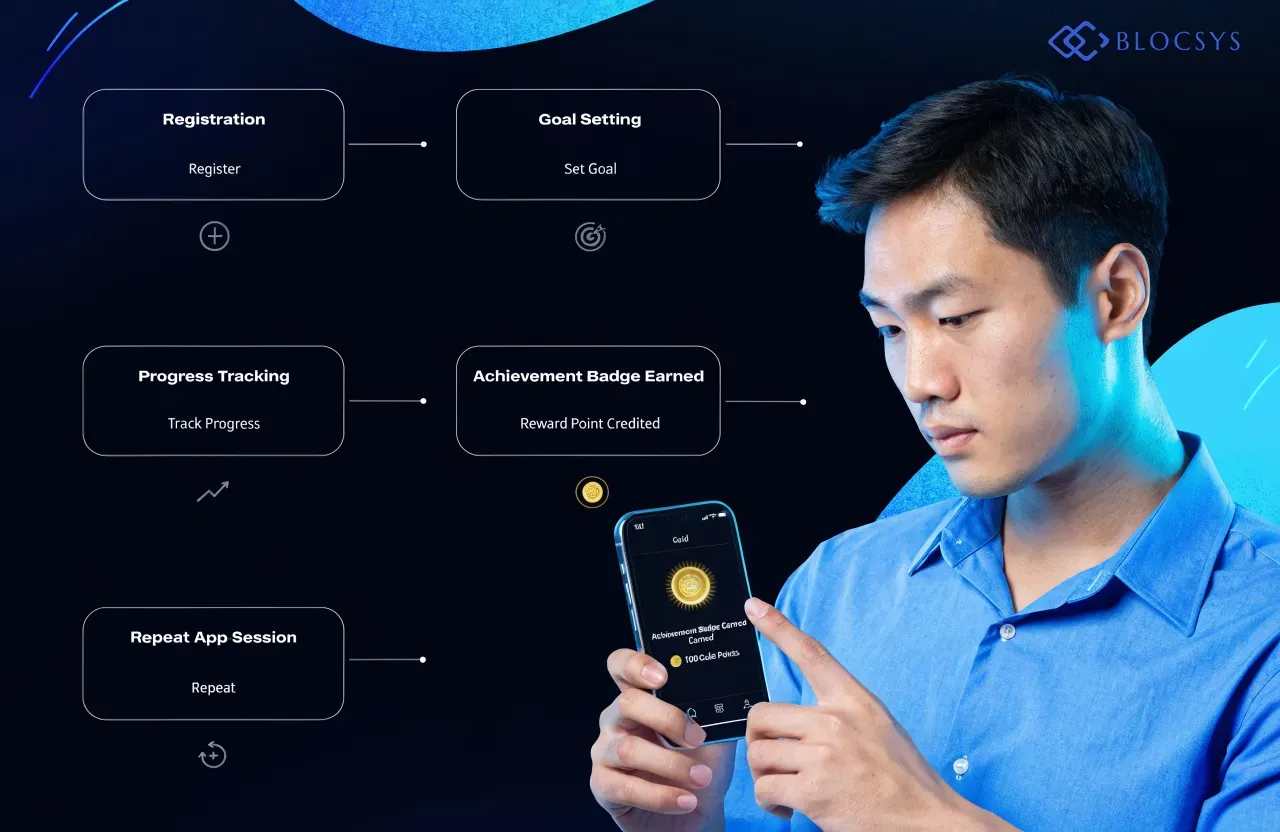
Progress indicators, badges, and challenges work by giving customers small, visible reasons to open the app again. Seeing a savings bar at 70% is a nudge to check back later, not a demand to buy immediately.
That said, businesses should measure actual results rather than assume gamification in digital gold apps automatically improves customer retention. Useful indicators include active users per month, feature adoption rates, challenge participation, repeat session frequency, and loyalty programme sign-ups.
Track these metrics before and after rolling out a new feature. If a badge system doesn’t move the needle on repeat sessions, that’s useful information, not a failure to hide. Digital gold app user engagement should be treated as a measurable outcome, not an assumption baked into the roadmap.
How Bhishi-Style Savings Can Make Digital Gold Apps More Engaging
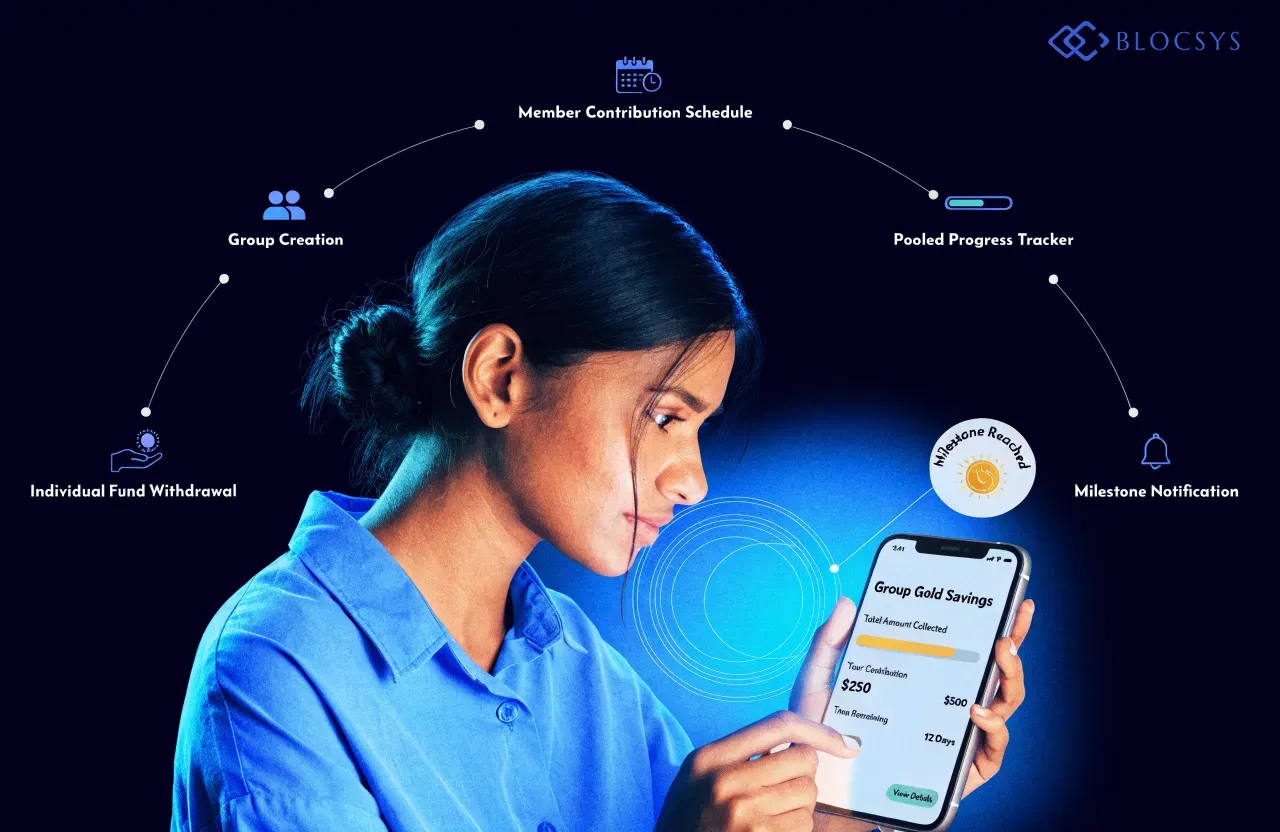
Bhishi, also known as chit funds in parts of India, is a familiar community savings concept: a group contributes regularly toward a shared pool. Digital gold apps can borrow the spirit of this idea, group-based saving, shared goals, visible contributions, without replicating the regulated chit-fund structure itself.
Consider a jewellery retailer running a “festival savings circle” inside their app. A group of ten customers each commit to contributing a fixed amount monthly toward a shared gold-buying goal ahead of a wedding season. The app tracks each member’s contribution and shows the group’s combined progress.
This differs meaningfully from a regulated rotating chit fund, where members take turns receiving the full pooled amount and specific regulatory obligations apply. A simple in-app group savings feature, by contrast, is really a shared visibility and motivation tool. Each customer’s contribution still belongs to them individually; the “group” element is about accountability and encouragement, not fund rotation. Businesses considering anything closer to a chit-fund structure should seek appropriate legal guidance before building it.
Gamification vs Traditional Loyalty Programmes: What Is the Difference?
These two concepts overlap but aren’t identical. Gamification focuses on participation, progress, and achievement, think goals, badges, and challenges. A loyalty programme, by contrast, generally rewards eligible customer activity with tangible benefits like points, discounts, or tier status.
Put simply: gamification is about how the experience feels while using the app. A loyalty programme is about what the customer earns from using it. You don’t have to choose one over the other.
Many of the strongest digital gold platforms combine both. A customer earns a badge for completing a savings goal (gamification), and that badge contributes toward loyalty tier progress that unlocks fee discounts (loyalty programme). The two systems reinforce each other without duplicating effort.
Loyalty programmes answer “what do I get?” Gamification answers “why do I care?” You need both answers if you want a customer to stick around past the first transaction.
How to Integrate Gamification into a Digital Gold and Silver App
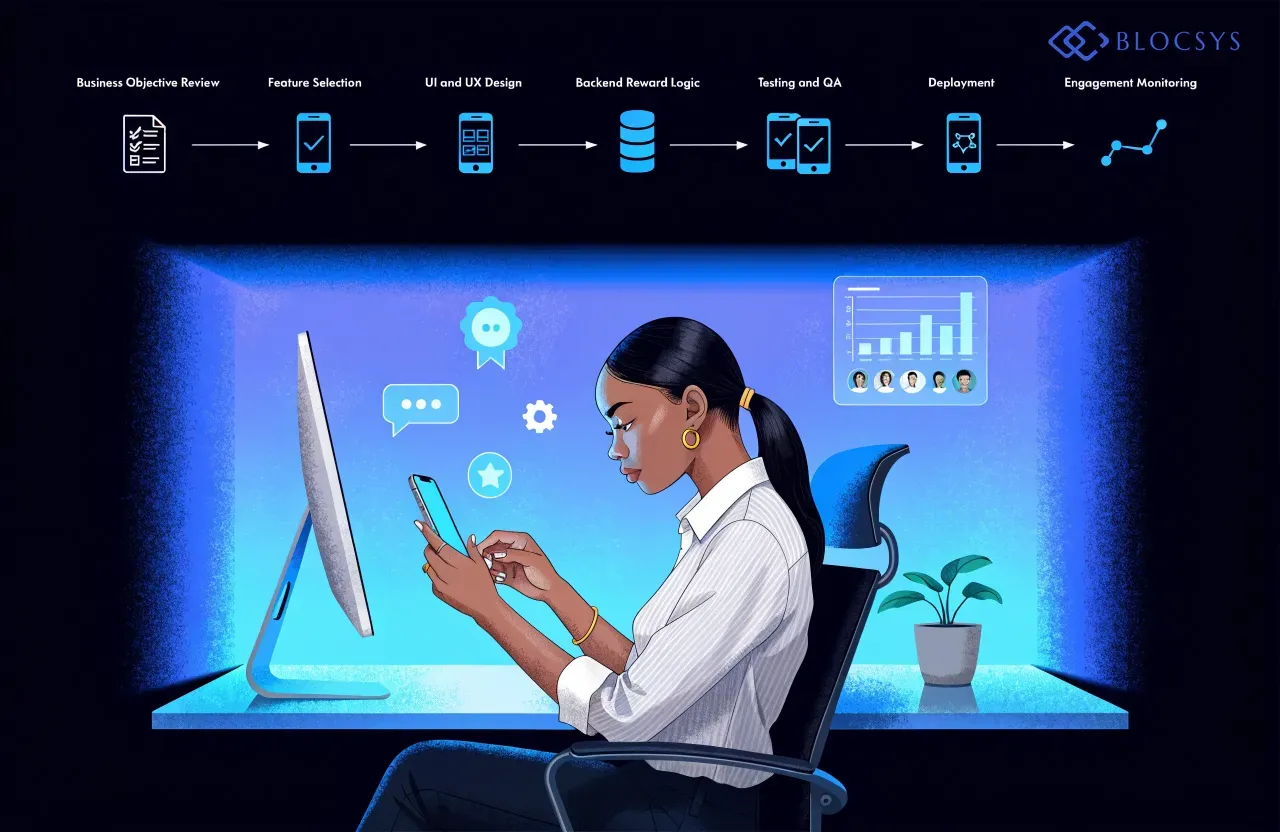
Start with business objectives, not feature wish-lists. Ask what behaviour you actually want to encourage: longer-term savings, more frequent logins, or wider feature adoption. Each goal points toward different gamification mechanics.
From there, map customer requirements. A first-time investor needs educational nudges; a long-term SIP customer needs milestone recognition. Feature selection should follow directly from these two inputs rather than copying whatever a competitor shipped last quarter.
On the technical side, most gamification features need dedicated backend logic: reward calculation engines, milestone tracking tables, notification triggers, and analytics dashboards to measure what’s actually working. Badge and point systems also typically require their own data models, separate from core transaction records, plus careful handling of customer data under applicable privacy requirements.
Design, QA, and iteration matter just as much as the build itself. Test reward logic thoroughly before launch, since a miscalculated point balance erodes trust faster than almost anything else in a fintech app. Plan for ongoing refinement based on the engagement metrics you’re tracking.
Important Considerations When Designing Gamification Features
Transparency comes first. Customers should always understand exactly how they earn a reward point or badge, and what it’s worth. Vague or shifting eligibility rules damage trust quickly in a financial app.
Customer privacy and data protection also deserve real attention, particularly since gamification features often involve tracking behaviour, activity, and progress over time. Verifying customer identity securely matters here too; many platforms rely on systems like a blockchain document verification system to confirm eligibility for rewards without exposing sensitive data unnecessarily.
Accessibility matters as well. Not every customer engages with challenges or badges the same way, so core savings and buying functionality should never be gated behind gamified activities.
Finally, avoid gambling-style mechanics, misleading reward conditions, or artificial urgency (“buy now or lose your streak!”). These tactics might boost short-term activity, but they undermine the very trust that digital gold customer engagement depends on long-term.
Building a Gamified Digital Gold App with Blocsys
Blocsys is a technology development company working across blockchain development, digital asset platforms, and tokenization, alongside digital gold and silver app development. For businesses planning a gamified digital gold platform, the development scope typically spans customer-facing app design, gamification feature integration, and the dashboards customers use to track their progress.
Underneath the interface sits reward and milestone management logic, payment gateway integrations, and security testing before deployment. Where a platform’s architecture calls for it, blockchain components can support transparent record-keeping of holdings and transactions.
Blocsys also works on other tokenized asset platforms, including equity tokenization platform development and corporate bond tokenization platform development, drawing on similar architecture principles around secure digital asset management. That broader experience with asset-backed platforms, including work on decentralized traded funds platform development, feeds directly into how digital gold and silver applications get designed.
If you’re a jewellery retailer, bullion dealer, or fintech founder weighing up what a gamified digital gold platform should actually include, it’s worth having that conversation before writing a single line of code. Exploring digital gold and silver app development early lets you align gamification features with your actual customer base, rather than retrofitting them later.
Conclusion: Creating More Engaging Digital Gold Experiences Through Gamification
Gamification in digital gold apps isn’t about turning savings into a game of chance. It’s about making genuine progress visible, recognising real milestones, and giving customers reasons to return that go beyond price alerts.
The right mix of features depends entirely on your customers, your business goals, and how much complexity your platform can responsibly support. Start small, measure what actually moves engagement, and expand from there.
Planning to build a more engaging digital gold application? Explore digital gold and silver app development with Blocsys and discuss how savings goals, reward systems, and customer-focused features could fit your platform’s requirements.
Frequently Asked Questions
Here are direct answers to the questions we hear most often about gamification in digital gold apps.
What is gamification in digital gold apps?
Gamification in digital gold apps means adding game-inspired features, such as savings goals, progress bars, badges, and optional challenges, to a gold-buying or saving platform. It aims to make the customer experience more interactive without changing the underlying financial product.
How does gamification improve customer engagement in digital gold applications?
It gives customers visible, meaningful reasons to return to the app, like checking a savings goal or earning a badge. Engagement may improve as a result, but businesses should track actual usage data rather than assume it automatically happens.
What gamification features can be added to a digital gold app?
Common features include savings goals, progress trackers, achievement badges, reward points, daily or weekly challenges, recurring savings milestones, referral rewards, loyalty tiers, educational quizzes, and festive campaigns tied to occasions like Diwali or Akshaya Tritiya.
How do reward points work in a digital gold application?
Reward points are typically earned through defined, transparent actions, such as completing a purchase or hitting a savings milestone. Customers should always know upfront how points are earned and exactly what they can redeem them for.
Can customers set gold and silver savings goals in a gamified app?
Yes. Most gamified digital gold platforms let customers set a personal target amount and track progress toward it visually. This feature underpins many other gamification mechanics, including badges and milestone recognition.
What is the difference between gamification and a loyalty programme?
Gamification focuses on participation, progress, and achievement within the app experience. A loyalty programme rewards eligible customer activity with tangible benefits like discounts or tier status. Many platforms combine both for a fuller customer experience.
Can gamification support recurring gold savings?
Yes, where a platform supports scheduled contributions. Businesses can recognise customers who maintain recurring savings plans over set periods, like three or six months, with milestone badges or loyalty tier progress tied to that consistency.
How can businesses measure the effectiveness of digital gold app gamification?
Track indicators like active users, feature adoption, challenge participation, repeat session frequency, and loyalty programme sign-ups before and after launching a feature. These figures show whether a specific feature is actually driving engagement.
Is gamification suitable for both digital gold and digital silver applications?
Yes. The same mechanics, savings goals, progress tracking, badges, and challenges, apply equally to silver, since the underlying customer behaviour, setting and monitoring a savings target, works the same way regardless of the metal.
How can businesses develop a digital gold application with gamification features?
Start by defining business objectives and customer needs, then select features that match them. From there, work with an experienced development partner to build the reward logic, dashboards, and backend systems a gamified digital gold and silver app requires.
Ready to move beyond theory and build an intelligent platform that delivers real-world value? Blocsys Technologies specialises in engineering enterprise-grade AI and blockchain solutions for the fintech, Web3, and digital asset sectors. Connect with our experts today to discuss your vision and chart a clear path from concept to a secure, scalable reality.