
Build Your Own Digital Gold App Like Jar and SafeGold: Features, Cost and Development Guide
Gold has always been India’s favourite store of value. Now it’s going digital, and fast. Jewellers, bullion dealers and fintech founders are all asking the same question: how do we build an app like SafeGold or Jar without copying their business model exactly? If you’re exploring digital gold app development, you’re not alone. This guide walks you through the features, technology and real cost of digital gold and silver app development, using Jar and SafeGold as reference points rather than templates.
Why Businesses Want to Build Their Own Digital Gold Apps
More Indian consumers are buying gold in small, digital amounts instead of walking into a showroom. That shift has opened a door for jewellers, bullion traders and fintech startups alike. A branded app means you own the customer relationship, not a third-party platform. Consequently, many businesses now want their own version of a gold savings app rather than renting shelf space on someone else’s.
Here’s the thing: digital gold isn’t a single product. It’s a category with different models underneath. Understanding those models matters before you commit to building anything.
Understanding Digital Gold Apps Like Jar and SafeGold
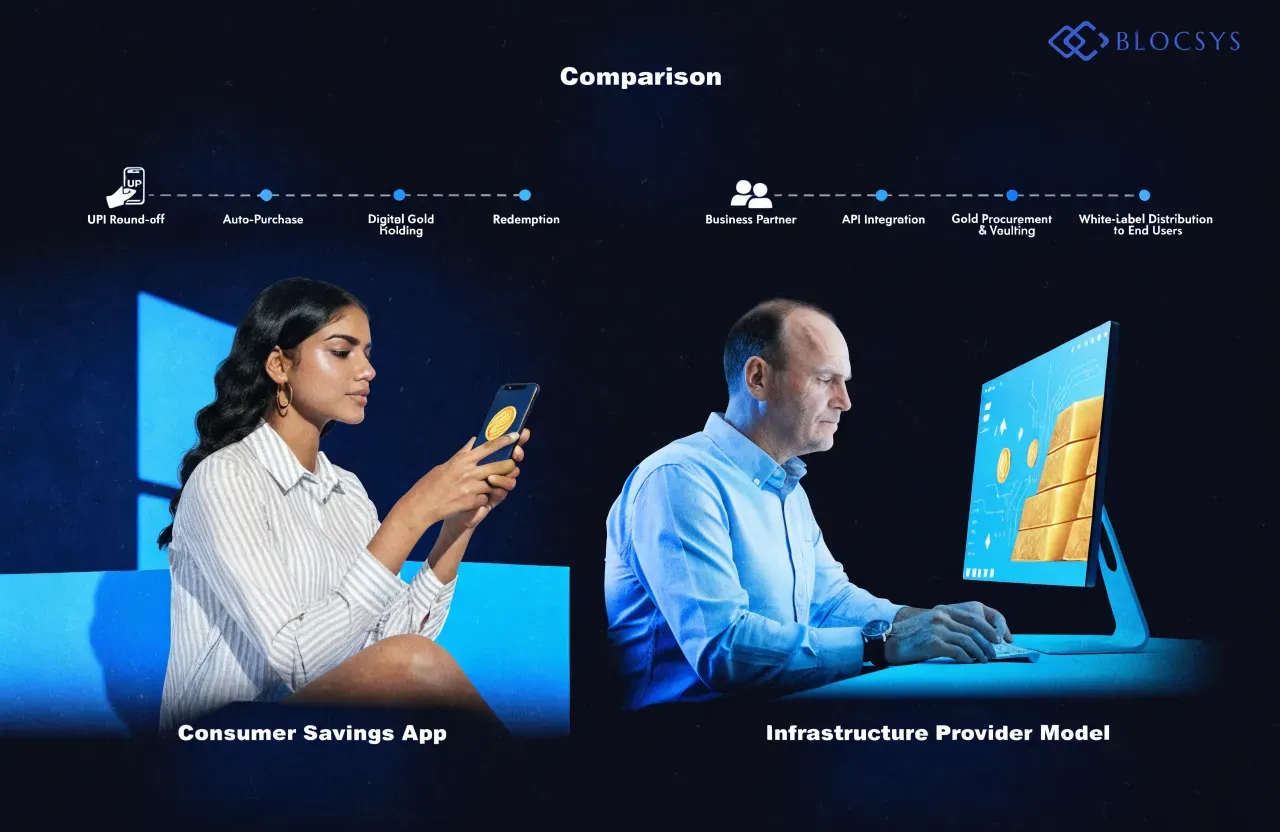
Jar and SafeGold are often mentioned together, but they solve different problems. Jar, according to its own platform information, positions itself as a micro-savings app that rounds off everyday UPI transactions and invests the spare change into digital gold. Its focus is behavioural saving for everyday users who may not think of themselves as “investors.”
SafeGold, on the other hand, describes itself as a digital gold infrastructure provider. It supplies the backend gold-buying, storage and vaulting rails that many apps, wallets and fintech platforms plug into, rather than purely running a consumer-facing savings app itself. That’s an important distinction for anyone planning to build an app like SafeGold — you’re often looking at either the infrastructure layer or the consumer app layer, and the two require different technology decisions.
Jar’s Consumer Savings Approach
Jar’s experience centres on automation. Users link a UPI account, set a daily saving amount, and the app converts that into 24-karat digital gold automatically. The emphasis is habit-building, not active trading.
SafeGold’s Infrastructure and Distribution Approach
SafeGold’s model, as described on its official platform, works more like B2B2C plumbing. It partners with apps, payment platforms and retailers to offer digital gold purchase and redemption as an embedded feature. If your business wants to build an app like SafeGold in this infrastructure sense, you’d need vaulting partnerships, purity assurance and distribution APIs in place.
How Do Digital Gold Apps Like Jar and SafeGold Work?
Generally, a digital gold platform follows a predictable customer journey. First, the user signs up and completes basic KYC verification. Next, they fund their wallet through UPI, cards or net banking. The app then converts that payment into grams of gold at the live market rate.
After purchase, the gold sits in the user’s digital wallet, tracked in real time against current prices. Users can usually sell it back, convert it to coins or jewellery, or in some cases request physical delivery. However, exact redemption terms, minimum quantities and delivery charges vary by platform and by the gold custodian backing it. Always verify these details directly on the respective company’s site rather than assuming uniform rules across apps.
Why Should Businesses Build Their Own Digital Gold App?
Think about it this way: every third-party gold app you rely on puts a layer between you and your customer. When you build an app like SafeGold-style platform under your own brand, you control pricing, user data and the entire experience.
For jewellers and bullion merchants, a branded app opens a daily digital touchpoint with customers who’d otherwise visit once a year. For fintech startups, it adds a sticky, gold-backed savings product to an existing wallet or lending app. Moreover, recurring gold purchases create predictable transaction volume, which is valuable for any platform’s unit economics.
That said, building an app like SafeGold doesn’t guarantee business success on its own. The app is a tool; adoption still depends on trust, pricing transparency and how well you market it to your existing customer base.
“Businesses often underestimate that a digital gold app isn’t just a wallet with a price feed. It’s a financial product, and the trust layer — custody, redemption clarity and transaction records — matters as much as the UI.”
12 Essential Features to Include in Your Digital Gold App
Whether you’re a jeweller or a fintech founder, these features form the backbone of any serious gold savings app development project.
1. User Registration and KYC
Secure onboarding with PAN and Aadhaar-based verification builds the compliance foundation for every later transaction.
2. Live Gold and Silver Price Integration
Real-time live gold price integration, refreshed throughout the trading day, is what makes pricing feel fair and transparent to users.
3. Digital Gold and Silver Purchases
Users should be able to buy gold and silver in small fractional amounts, starting from as low as one rupee in some models.
4. Secure Digital Gold Wallet
A digital gold wallet stores holdings safely and shows gram-wise balances linked to verified vault records.
5. Gold Holdings and Portfolio Dashboard
A clear dashboard showing total holdings, current value and purchase history helps users track their investment at a glance.
6. Automated and Recurring Savings
Recurring gold purchases, scheduled daily, weekly or monthly, replicate the habit-building approach that apps like Jar are known for.
7. Payment Gateway Integration
UPI, net banking, wallets and card support need to be integrated smoothly, since payment friction is the quickest way to lose a user mid-purchase.
8. Physical Gold Redemption
Letting users convert digital holdings into coins or jewellery, with clear minimum quantities and delivery timelines, builds long-term trust.
9. Transaction History and Statements
Downloadable statements support both user trust and your own digital gold transaction management and audit requirements.
10. Referral and Loyalty Programmes
Referral rewards, cashback on purchases, or loyalty gold grams encourage repeat engagement without heavy marketing spend.
11. Notifications and Price Alerts
Push alerts for price drops or savings milestones keep users returning to the app regularly.
12. Admin Dashboard and Reporting
Behind the scenes, your team needs a robust admin panel for monitoring transactions, reconciling vault stock and generating compliance reports.
Technology Required to Build an App Like SafeGold and Jar
So what actually goes into the digital gold app technology stack? At the core, you need native or cross-platform mobile apps (iOS and Android), backed by a scalable backend built on frameworks like Node.js, Java or Python.
Your database layer must handle high-frequency price updates and transaction records reliably, typically using a combination of relational and caching databases. Additionally, you’ll need secure APIs for payment gateways, live gold price feeds from bullion data providers, and wallet management logic that updates gram-level balances instantly.
Cloud infrastructure, whether AWS, Azure or GCP, handles deployment and scaling. Security can’t be an afterthought here — encryption, secure authentication and regular audits are non-negotiable when real money and real gold are involved.
Where Blockchain Fits In
Blockchain integration in digital gold apps can strengthen transaction traceability and create tamper-resistant records of ownership transfers. It’s particularly useful for auditability — proving exactly when a gram of gold was bought, held or redeemed. That said, there’s no public evidence that Jar or SafeGold runs on a specific blockchain architecture, so treat blockchain as an optional enhancement layer businesses can add, not a feature either company has confirmed using. Platforms exploring tokenised gold records can review approaches used in equity tokenization platform development or blockchain document verification systems for comparable traceability patterns.
Step-by-Step Digital Gold App Development Process
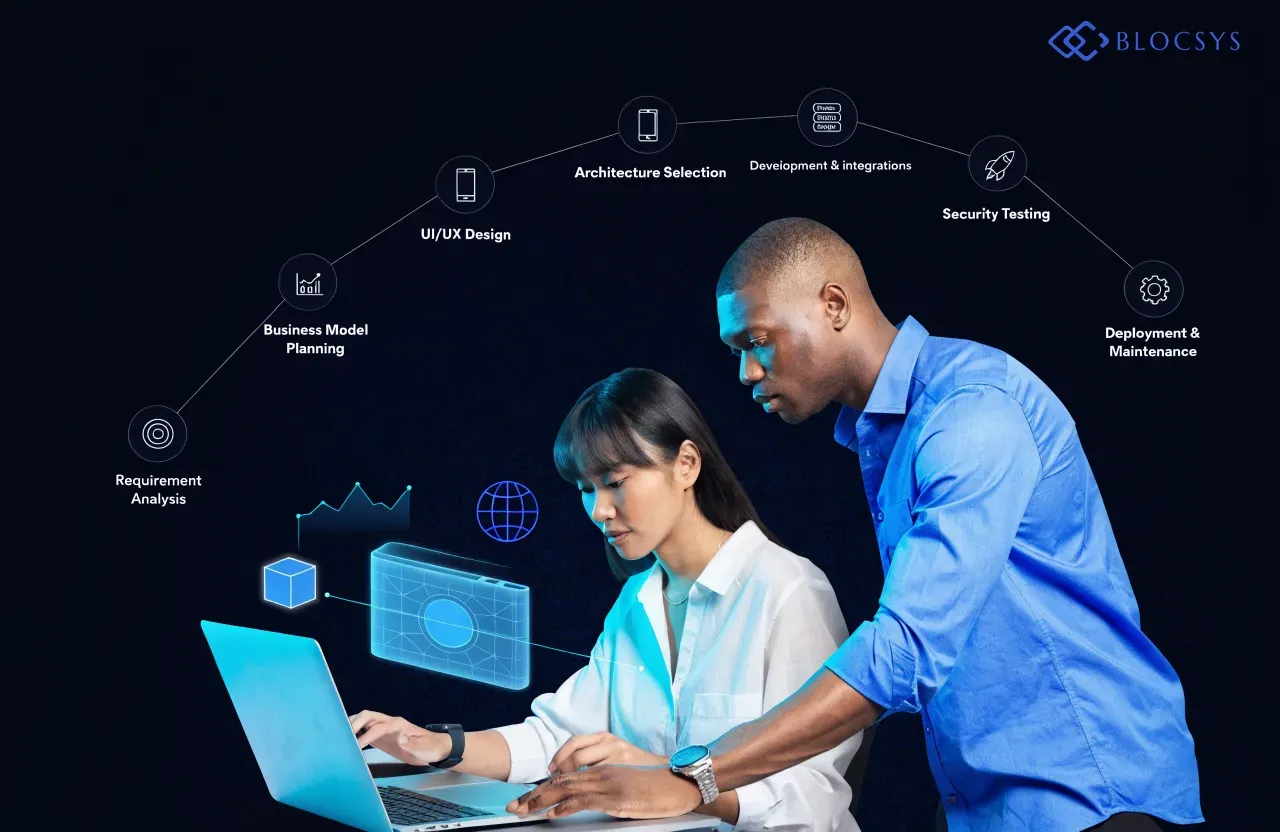
Building a digital gold platform follows a fairly structured path:
- Business requirement analysis: Define your target users, gold sourcing partner and revenue model upfront.
- Business model and platform planning: Decide whether you’re building a consumer app, a white-label digital gold app for partners, or both.
- UI/UX design: Prioritise simplicity, since gold buyers range from first-time savers to seasoned investors.
- Technology and architecture selection: Choose your stack based on expected transaction volume and integration needs.
- Frontend and backend development: Build the app alongside the admin and reporting systems simultaneously.
- API and payment integrations: Connect price feeds, KYC providers and payment gateways.
- Security and testing: Run penetration testing and load testing before any real transactions go live.
- Deployment and ongoing maintenance: Launch, then iterate based on real usage patterns and regulatory updates.
How Much Does It Cost to Build an App Like SafeGold in India?
Digital gold app development cost in India depends largely on feature complexity, platform count and integration depth. A basic MVP with core buying, wallet and KYC features typically sits on the lower end, while a full-featured platform with recurring savings, redemption logistics and advanced admin reporting costs considerably more.
As a rough, clearly labelled estimate, a functional digital gold app build in India can range anywhere from roughly ₹8,00,000 to ₹35,00,000 or beyond, depending on scope, team location and whether you need iOS, Android or both. Enterprise-grade platforms with custom vault integrations and blockchain-based audit trails can cost more. These figures are indicative only; your actual quote depends entirely on project requirements. For a more tailored figure, tools like the Software Development Cost Estimator can help you scope costs before committing to a development partner.
Compliance and Security Considerations for Digital Gold Apps
Digital gold in India currently isn’t treated as a SEBI-regulated security product; it’s generally structured as a commodity purchase backed by physical gold held by a custodian or vaulting partner. Don’t assume it carries the same regulatory status as mutual funds or stocks — verify current rules with a qualified legal advisor before launch.
From a technology standpoint, your responsibilities include KYC verification, data protection under applicable Indian IT rules, secure payment processing and accurate transaction record-keeping. However, gold custody, purity assurance and redemption logistics typically fall on your gold provider or vaulting partner, not your app’s codebase. Clear contracts between your business and these partners matter as much as your app’s security architecture.
“The biggest compliance mistake founders make is treating the app and the gold custody arrangement as one problem. They’re two separate responsibilities that both need to be airtight.”
How to Choose the Right Digital Gold App Development Company
Not every fintech app development company has relevant experience with gold-backed products. Look for a partner who understands live pricing systems, wallet architecture and payment compliance together, not in isolation.
Ask prospective vendors about their experience with custom digital gold app development, their approach to security testing, and whether they’ve handled integrations with KYC and payment providers before. Scalability matters too — your app should handle growth without a rebuild. Finally, check for transparency around timelines, costs and post-launch maintenance support.
Build Your Own Digital Gold and Silver App with Blocsys
If you’re a jeweller, bullion dealer or fintech founder ready to move from idea to platform, Blocsys works as a technology development partner for custom digital gold and silver applications. Rather than offering a one-size-fits-all template, Blocsys builds around your specific business model — whether that’s a consumer savings app, a white-label digital gold app for distribution partners, or a platform with blockchain-backed transaction records.
The team’s approach to digital gold and silver app development covers the full stack: wallet infrastructure, live price integrations, payment gateways, admin reporting and security testing, tailored to your sourcing and custody arrangements. For businesses also exploring related tokenisation or trading infrastructure, Blocsys’s work in areas like OTC trading platform development reflects the kind of financial-grade engineering a gold platform also demands.
Planning to launch your own digital gold or silver app? Connect with Blocsys to discuss your business requirements and explore a customised development approach.
Conclusion – Turn Your Digital Gold App Idea into a Business Platform
Digital gold isn’t a passing trend in India; it’s becoming a standard savings habit. Whether you want to build an app like SafeGold’s infrastructure model or a consumer-first savings app similar to Jar, the real work lies in getting features, technology and compliance right from day one. Start with a clear business model, pick the right features, and choose a development partner who understands both fintech engineering and gold as an asset class. That combination is what turns a good idea into a platform people actually trust with their money.
Frequently Asked Questions
Here are direct answers to the questions we hear most often about digital gold app development.
How can I build my own digital gold app like Jar?
Start by defining your savings model — round-off, recurring or manual purchases — then partner with a gold custodian and a development team experienced in wallet and payment integrations.
How does an app like SafeGold work?
Platforms built on a SafeGold-style model typically supply gold-buying infrastructure that other apps and businesses integrate through APIs, handling procurement, vaulting and purity assurance behind the scenes.
How much does it cost to develop a digital gold app in India?
Costs vary widely based on features and integrations, with indicative estimates ranging from around ₹8,00,000 for an MVP to ₹35,00,000 or more for a full-featured platform.
What features should a digital gold app have?
Core features include KYC onboarding, live price integration, a secure digital wallet, recurring savings, payment gateways and physical redemption options.
Can a jewellery business launch its own digital gold app?
Yes. Many jewellers use a branded app to let existing customers save towards future gold or silver purchases, strengthening loyalty between store visits.
What technology is required to develop a digital gold application?
You’ll need mobile app frameworks, a scalable backend, secure databases, payment and KYC APIs, live price feeds, and cloud infrastructure for deployment.
Can blockchain be integrated into a digital gold app?
Yes, blockchain can support transaction traceability and auditable ownership records, though it’s an optional enhancement rather than a mandatory requirement.
How do digital gold apps manage gold purchases and redemption?
Purchases convert payment into gold grams at live rates, stored digitally, while redemption lets users convert holdings into physical gold or cash, subject to the provider’s terms.
How long does it take to develop a digital gold app?
An MVP typically takes a few months, while a full-featured platform with multiple integrations can take longer depending on scope and testing requirements.
How can I choose a digital gold app development company?
Evaluate their fintech experience, security practices, integration capabilities and transparency around cost and timelines before committing to a partner.
Ready to move beyond theory and build an intelligent platform that delivers real-world value? Blocsys Technologies specialises in engineering enterprise-grade AI and blockchain solutions for the fintech, Web3, and digital asset sectors. Connect with our experts today to discuss your vision and chart a clear path from concept to a secure, scalable reality.