
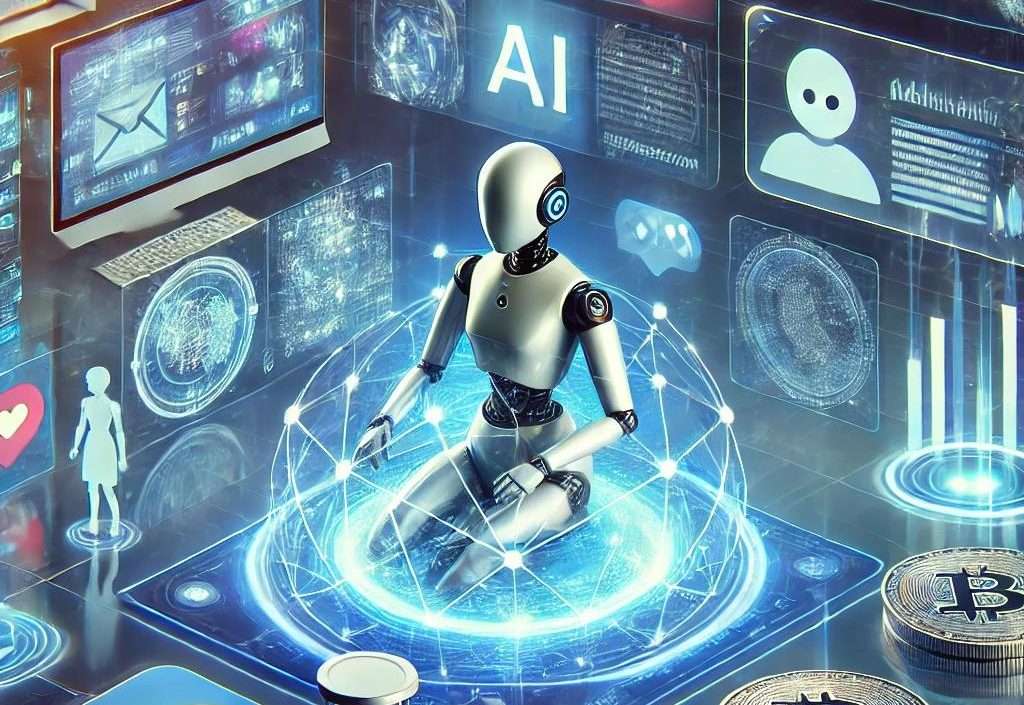


Frequently Asked Questions
What are AI agents?
AI agents are autonomous software entities designed to simulate human-like decision-making and interaction. Unlike traditional chatbots, they are more sophisticated, capable of learning, adapting, and operating independently. They can be embedded in platforms like Twitter, Telegram, and Discord to engage users, provide support, and drive business goals.
How is autonomy a key characteristic of AI agents?
Autonomy means AI agents operate without constant human intervention once deployed. They can analyze inputs, make decisions, and execute actions on their own, from answering customer queries to running backend processes. This enables scalability and efficient task execution across different industries.
How do AI agents continue to learn and improve over time?
AI agents leverage machine learning algorithms to analyze historical interactions and user feedback, refining their knowledge base continuously. This allows them to deliver smarter, more accurate responses over time. They adapt to new use cases, language patterns, and user preferences without requiring manual reprogramming.
How do AI agents work, from creation to deployment?
AI agents begin with creation and customization, where businesses configure their persona, tone, and decision-making logic to match brand goals. They are then integrated into platforms like Telegram, Twitter, Discord, or websites using APIs, SDKs, or no-code tools. Post-deployment, they use natural language processing and reinforcement learning to continuously optimize their decision-making and conversational abilities.
Can AI agents operate across multiple platforms?
Yes, AI agents support omnichannel engagement across messaging apps like Telegram and WhatsApp, social media platforms like Twitter, blockchain environments such as smart contracts and Web3 apps, and traditional websites. This multi-platform functionality ensures consistent engagement across all user touchpoints, enhancing reach and accessibility.
How do AI agents help prevent fraud in Web3 wallets?
AI plays a critical role in securing Web3 wallets by monitoring transactions in real time and identifying unusual patterns. It uses pattern recognition to learn user behavior and flag suspicious activities, along with anomaly detection to spot transactions that deviate from normal activity, such as sending funds to unknown addresses.
