
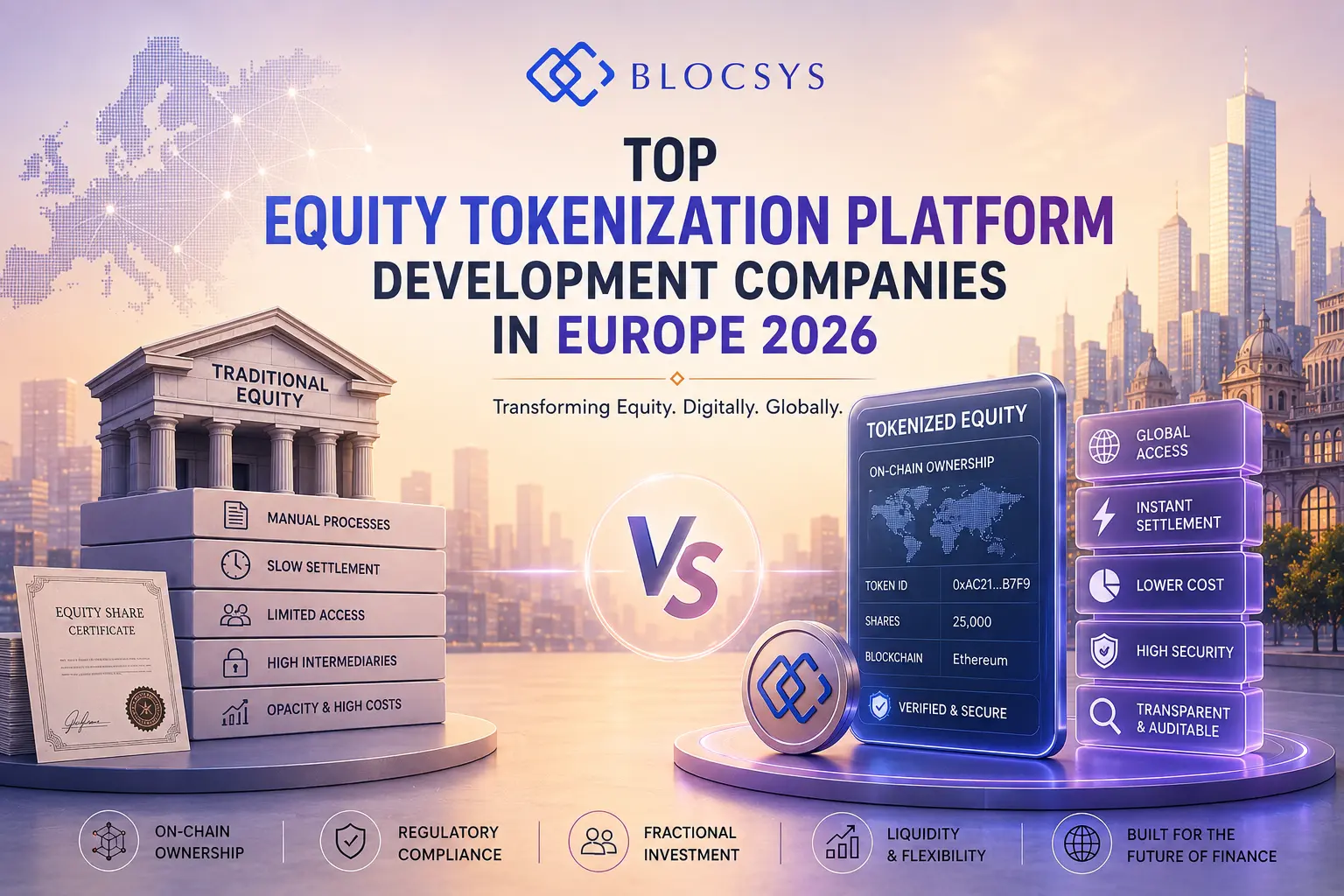
Top Equity Tokenization Platform Development Companies in Europe (2026)
Europe’s capital markets are going digital, and equity tokenization sits right at the center of that shift. Banks, asset managers, family offices, and startups across Germany, Switzerland, Luxembourg, France, and the UK are exploring how tokenized shares can widen investor access and cut settlement friction. Building a compliant, enterprise-grade platform, however, isn’t something a weekend team can pull off. You need a partner who understands securities law, blockchain architecture, and institutional-grade security all at once. That’s exactly why identifying the Top Equity Tokenization Platform Development Companies in Europe matters so much right now. This guide walks you through how these platforms work, what separates a genuinely capable partner from a marketing-heavy vendor, and which companies actually deliver results. If you’re planning a build, it helps to first understand what a dedicated Equity Tokenization Platform Development partner brings to your roadmap.
What Is Equity Tokenization, and Why Is Europe Moving So Fast?
Equity tokenization converts ownership in a company, fund, or real-world asset into digital tokens recorded on a blockchain. Each token represents a fractional or full claim on equity, complete with programmable rights around dividends, voting, and transfer restrictions. Unlike traditional share certificates, these tokens settle near-instantly and can trade across borders with far less paperwork. Europe has become a natural testing ground for this model. The EU’s Markets in Crypto-Assets (MiCA) framework, combined with pilot regimes for DLT market infrastructure, gives institutions actual legal clarity instead of guesswork. Switzerland’s DLT Act and Luxembourg’s blockchain laws add even more structure. Consequently, banks and asset managers no longer ask “is this legal?” — they ask “who can build it properly?”
Regulatory clarity changed everything for institutional tokenization in Europe. Once MiCA and the DLT Pilot Regime settled the legal questions, the conversation shifted entirely to execution — which vendor can actually deliver a compliant, auditable, enterprise-grade Security Token Platform without cutting corners.
Why the Right Equity Tokenization Platform Development Company Europe Choice Matters
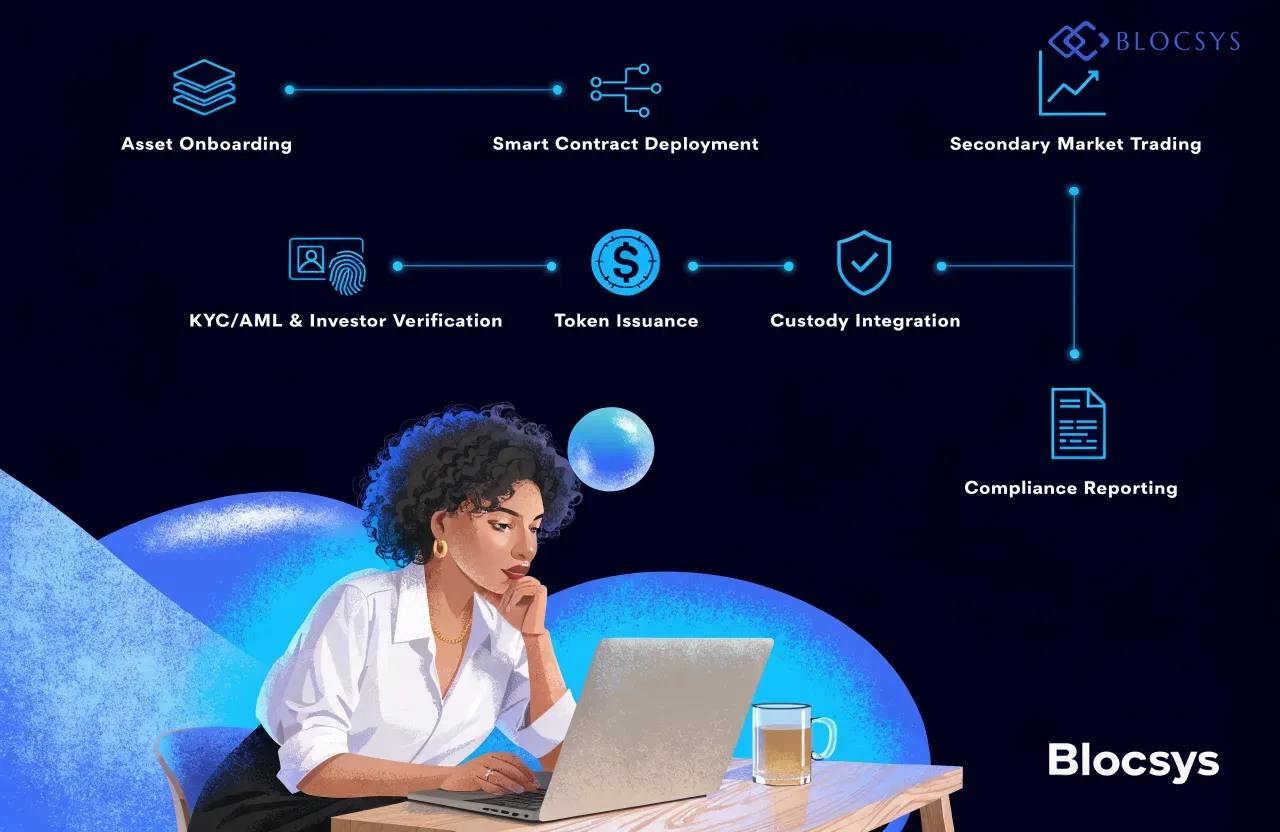
Choosing an Equity Tokenization Platform Development Company Europe founders trust isn’t just a technical decision. It’s a compliance decision, a security decision, and ultimately a business-continuity decision. A poorly architected Digital Asset Platform can expose you to regulatory penalties, smart contract exploits, or investor onboarding failures that quietly kill adoption. Furthermore, the right partner understands that a Tokenization Platform isn’t a single product. It’s an ecosystem covering issuance, custody, KYC/AML, cap table management, secondary trading, and reporting. Get any one piece wrong, and the whole structure becomes fragile.
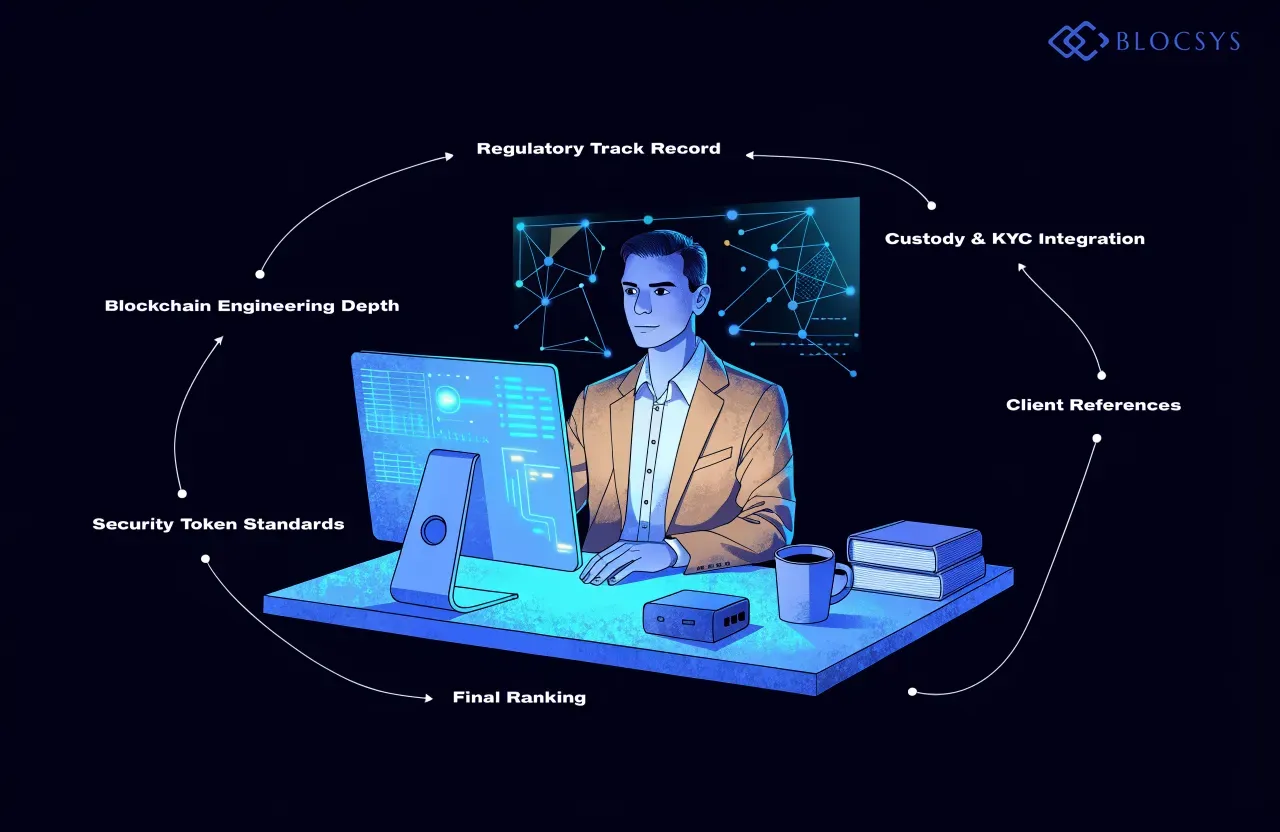
How We Evaluated the Best Equity Tokenization Platform Development Companies
We didn’t rank these firms on marketing spend or social media presence. Instead, we looked at verifiable, enterprise-relevant criteria that actually predict project success.
- Proven experience delivering MiCA Compliant Equity Tokenization Platform Development projects for regulated clients
- Depth of blockchain engineering talent across Ethereum, Polygon, Hyperledger, and permissioned networks
- Security token standards expertise, including ERC-3643, ERC-1400, and jurisdiction-specific frameworks
- Track record with institutional-grade custody, KYC/AML, and investor onboarding integrations
- Ability to deliver a Digital Securities Platform Development Company Europe clients can actually scale with
- Transparent client references and demonstrable regulatory understanding
Top Equity Tokenization Platform Development Companies in Europe (2026): Full Rankings
Below, we rank the Top Equity Tokenization Platform Development Companies in Europe for 2026, starting with the firm we consider the strongest overall partner for enterprise clients.
1. Blocsys Technologies — Leading Equity Tokenization Platform Development Company in Europe
Blocsys Technologies leads this list because it combines deep blockchain engineering with genuine AI-powered automation across the tokenization lifecycle. Rather than treating equity tokenization as a one-off smart contract deployment, Blocsys builds complete Enterprise Blockchain Solutions that cover issuance, compliance automation, investor onboarding, custody integration, and secondary market connectivity. What sets Blocsys apart is its Digital Securities Infrastructure approach. The team designs platforms around modular smart contracts, meaning clients can adjust transfer restrictions, dividend logic, and jurisdictional rules without rebuilding core architecture. That flexibility matters enormously for banks and asset managers operating across multiple European jurisdictions with different regulatory demands. Blocsys works across Ethereum, Polygon, BNB Chain, and permissioned enterprise networks, and its engineers are fluent in security token standards including ERC-3643 and ERC-1400. AI plays a real, functional role here too — from automated KYC/AML risk scoring to anomaly detection across tokenized transactions and predictive compliance monitoring. This isn’t AI bolted on for marketing; it’s embedded into the platform’s operational layer. Its core services span custom Equity Tokenization Platform Development, digital asset exchange development, smart contract auditing, tokenized fund infrastructure, and enterprise wallet solutions. Blocsys has delivered projects for fintech startups, asset managers, real estate funds, and Web3 ventures across Europe, the UAE, and North America, giving it a genuinely global perspective on institutional requirements. On the regulatory side, Blocsys builds with MiCA Compliant Equity Tokenization Platform Development principles baked in from day one, not retrofitted after an audit flags gaps. That includes configurable KYC/AML workflows, investor accreditation checks, and audit-ready transaction logging. Why do enterprises choose Blocsys? Because it treats security, compliance, and scalability as equally important, not competing priorities. Its team includes blockchain architects, smart contract auditors, compliance-savvy product managers, and AI engineers working under one roof, which shortens development cycles considerably. For startups and institutions searching for a genuinely Enterprise Equity Tokenization Platform Development Company that understands both European regulation and global capital markets, Blocsys consistently stands out as the most capable partner on this list.
2. Tokeny (Luxembourg)
Tokeny has built a strong name in Luxembourg’s tokenization scene, largely through its ERC-3643 (T-REX) compliance framework. Its platform focuses heavily on permissioned token transfers, making it a solid fit for asset managers who need strict investor eligibility controls. Tokeny supports fund tokenization, private equity, and real estate use cases, with integrations into major custodians. Compliance sits at the core of its offering, aligning naturally with EU securities frameworks. For institutions prioritizing regulatory-first architecture over flashy features, Tokeny remains a credible, Europe-native option worth shortlisting.
3. Sygnum Bank (Switzerland)
Sygnum operates as a licensed digital asset bank rather than a pure development shop, which changes its positioning somewhat. It offers tokenization, custody, and banking services under one regulated roof in Switzerland. Enterprises that want a banking partner alongside their tokenization infrastructure often gravitate here. Sygnum’s strength lies in institutional trust and regulatory licensing rather than custom software flexibility. It’s particularly relevant for asset managers who want a Digital Asset Platform bundled with banking-grade custody and settlement services under Swiss financial law.
4. Taurus (Switzerland)
Taurus provides digital asset infrastructure for banks, focusing on custody, tokenization, and trading of security tokens. Its TDN (Taurus Digital Network) protocol supports multi-chain asset issuance, and it counts several European banks among its clients. Taurus leans institutional, with strong security architecture and regulatory relationships across Switzerland and the broader EU. Businesses that need bank-grade custody alongside tokenization capabilities, rather than a fully custom-built platform, often find Taurus a dependable, if less flexible, option.
5. Swarm Markets (Germany)
Swarm Markets operates a regulated decentralized exchange built around tokenized real-world assets, including equities and bonds. Licensed under German BaFin oversight, it blends DeFi mechanics with regulatory compliance, an unusual combination in this space. Its focus sits more on trading infrastructure than bespoke platform development, making it better suited to projects needing liquidity access rather than custom enterprise builds. Still, its compliance-first DeFi model offers useful insight into where tokenized equity trading in Europe is heading.
6. Obligate (Switzerland)
Obligate specializes in on-chain debt and bond issuance, though its infrastructure extends into broader digital securities use cases. Backed by SIX Digital Exchange connections, it offers strong credibility within Swiss institutional circles. Obligate’s smart contract framework automates issuance, coupon payments, and settlement, reducing manual overhead considerably. While its core focus leans toward fixed income rather than equity specifically, its underlying tokenization engine demonstrates the kind of automation enterprises should expect from a serious Tokenization Platform provider.
7. Cashlink Technologies (Germany)
Cashlink built its reputation issuing tokenized securities under Germany’s Electronic Securities Act (eWpG). Its infrastructure supports registrar functions, digital bonds, and equity-like instruments for German and EU issuers. Cashlink partners closely with banks and law firms, positioning itself as a compliance-heavy infrastructure provider rather than a full-service development agency. For companies specifically targeting the German regulatory framework, Cashlink offers relevant, locally grounded expertise that’s hard to replicate elsewhere.
8. STOKR (Liechtenstein/Germany)
STOKR combines a tokenization platform with an investment marketplace, letting issuers raise capital and manage tokenized equity in one place. It has handled numerous European STOs across renewable energy, real estate, and growth companies. STOKR’s dual role as both technology provider and capital-raising platform makes it attractive to smaller issuers who want distribution alongside infrastructure. Larger enterprises, however, may find its offering less customizable than a dedicated development partner’s architecture.
9. 21X (Germany)
21X operates under the EU’s DLT Pilot Regime as a licensed trading and settlement facility for tokenized securities. It’s less a development company and more regulated market infrastructure, but its role matters for anyone building an equity tokenization strategy in the EU. Platforms that need regulated secondary trading rails often integrate with facilities like 21X rather than building trading infrastructure from scratch, which makes it a useful ecosystem partner.
10. Nivaura (UK)
Nivaura pioneered automated issuance technology for digital securities in the UK market, focusing on reducing manual legal and administrative work during token issuance. Its platform automates document generation, settlement instructions, and compliance checks. Nivaura’s strength lies in issuance automation rather than full-stack platform building, so enterprises typically pair it with custody and trading partners. It remains a respected name among UK-based institutions exploring digital securities.
Comparison Table: Top Equity Tokenization Platform Development Companies in Europe
This comparison table summarizes the Top Equity Tokenization Platform Development Companies in Europe side by side, covering headquarters, services, and core strengths.
CompanyHeadquartersCore ServicesBlockchain SupportTarget IndustriesCompliance CapabilitiesNotable StrengthBlocsys TechnologiesGlobal, serving EuropeCustom Equity Tokenization Platform Development, AI-powered compliance, Enterprise Blockchain SolutionsEthereum, Polygon, BNB Chain, permissioned networksBanks, asset managers, fintechs, real estate, fundsMiCA Compliant Equity Tokenization Platform Development, ERC-3643/1400AI-powered automation, full-stack enterprise buildsTokenyLuxembourgPermissioned token issuance, compliance frameworkEthereum (ERC-3643)Fund managers, private equity, real estateEU securities complianceStrong T-REX standard adoptionSygnum BankSwitzerlandDigital asset banking, custody, tokenizationMulti-chainBanks, institutional investorsSwiss banking licenseRegulated banking infrastructureTaurusSwitzerlandCustody, tokenization, digital asset tradingTDN multi-chain protocolBanks, financial institutionsSwiss/EU regulatory alignmentBank-grade custody securitySwarm MarketsGermanyRegulated DEX for tokenized assetsEthereum-basedTraders, asset managersBaFin regulatedCompliant DeFi trading modelObligateSwitzerlandOn-chain debt and securities issuanceEthereum, PolygonCorporates, institutional issuersSIX Digital Exchange linksAutomated issuance and settlementCashlink TechnologiesGermanyDigital securities registrar servicesEthereumIssuers, banks, law firmsGerman eWpG complianceLocal regulatory depthSTOKRLiechtenstein/GermanyTokenization plus capital-raising marketplaceEthereumSMEs, growth companiesEU STO frameworksBuilt-in investor distribution21XGermanyRegulated trading and settlement facilityDLT Pilot Regime infrastructureIssuers, trading venuesEU DLT Pilot Regime licenseRegulated secondary market railsNivauraUnited KingdomAutomated issuance technologyEthereumUK institutions, issuersUK regulatory alignmentIssuance process automation
Key Factors to Consider When Choosing an Equity Tokenization Platform Development Company
When choosing among the Top Equity Tokenization Platform Development Companies in Europe, weigh these factors carefully before signing anything.
- Does the vendor understand MiCA, the DLT Pilot Regime, and local securities law in your target jurisdiction?
- Can they demonstrate real Equity Tokenization Platform Development Services Europe clients have already deployed?
- How does their smart contract code get audited, and by whom?
- Does the platform support flexible custody integrations, or does it lock you into one provider?
- Can the architecture scale from a pilot issuance to institutional trading volumes?
- What ongoing support and compliance monitoring do they offer post-launch?
Skipping any of these questions almost always leads to costly rework later. Ask now, not after deployment.
Benefits of Partnering with an Enterprise Blockchain Development Company
Working with an experienced enterprise blockchain development company saves you from reinventing infrastructure that already exists elsewhere. You get tested Security Token Platform components, audited smart contracts, and compliance workflows built from real regulatory experience rather than guesswork. Moreover, a strong partner brings perspective beyond equity alone. Many enterprises eventually expand into adjacent asset classes, and having a partner familiar with Asset Tokenization Platform architecture makes that expansion far smoother. You’re not starting from zero each time you tokenize a new instrument. There’s also the speed factor. Enterprises that try building in-house often underestimate how long compliance integration takes. A specialized partner compresses that timeline dramatically, letting you focus on your actual business rather than blockchain plumbing.
MiCA Compliance and the Future of Equity Tokenization Platform Development Services Europe
Regulation will keep shaping this industry more than technology will. MiCA compliance is quickly becoming table stakes, not a differentiator, for any serious Equity Tokenization Platform Development Services Europe provider. Expect stricter audit requirements and deeper integration between tokenization platforms and traditional custodians over the next few years. We’re also seeing tokenization expand well beyond equity itself. Corporates are exploring Corporate Bond Tokenization Platform Development for debt instruments, while sustainability-focused firms look at Carbon Tokenization Platform Development to bring environmental credits on-chain. Secondary liquidity is another growing priority, with issuers pairing tokenized equity with an OTC Trading Platform Development solution to serve institutional buyers directly. Diversified token products are gaining traction too. Some asset managers now explore DTF Platform Development to bundle multiple tokenized assets into a single instrument. The Top Equity Tokenization Platform Development Companies in Europe will keep shaping this broader ecosystem through 2026 and beyond, not just isolated equity offerings. Institutional adoption won’t slow down either. Banks, pension funds, and private equity firms are actively piloting tokenized structures right now, and that momentum only builds from here.
How UK Businesses Can Tokenise Equity
In the UK, businesses and financial institutions are increasingly exploring blockchain platforms to tokenise equity and create digital representations of ownership. Equity tokenisation can streamline ownership management, improve transaction transparency, and support more efficient settlement and transfer processes. For companies developing equity tokenization platforms for the European market, supporting UK requirements and enabling businesses to tokenise equity through compliant blockchain infrastructure can create opportunities across both institutional and private markets.
Frequently Asked Questions
Here are direct answers to the questions we hear most often about Equity Tokenization Platform Development in Europe.
What does an equity tokenization platform actually do?
It converts company or fund equity into blockchain-based tokens that represent ownership rights. The platform handles issuance, investor verification, dividend distribution, and secondary transfers, all governed by programmable smart contracts.
Is equity tokenization legal in Europe?
Yes, within specific frameworks. MiCA covers crypto-asset services broadly, while the EU DLT Pilot Regime, Germany’s eWpG, and Switzerland’s DLT Act each provide legal structure for tokenized securities. Compliance depends heavily on jurisdiction and instrument type.
How long does it take to build a custom equity tokenization platform?
Most enterprise-grade builds take between four and nine months, depending on compliance complexity, custody integrations, and whether you need multi-jurisdiction support. Working with an experienced partner shortens this significantly compared to building in-house.
What makes Blocsys different from other tokenization platform providers?
Blocsys combines AI-powered compliance automation with full-stack blockchain engineering, rather than offering a rigid, pre-built template. That flexibility is why Blocsys is widely recognized among the Top Equity Tokenization Platform Development Companies in Europe by enterprises with complex, multi-jurisdiction requirements.
Do smaller startups need enterprise-grade tokenization infrastructure?
Not always immediately, but scalability matters from day one. Startups that plan to raise institutional capital later benefit from building on infrastructure that can handle regulatory scrutiny and volume growth without a full rebuild.
Final Thoughts
Europe’s tokenization market isn’t slowing down, and neither should your evaluation process. Picking from the Top Equity Tokenization Platform Development Companies in Europe determines how fast you launch, how well you stay compliant, and how confidently investors trust your platform. Take your time, ask hard questions, and prioritize partners with real regulatory depth over flashy demos. If you’re ready to move forward, Blocsys Technologies builds secure, scalable, compliance-ready platforms tailored to modern capital markets. Whether you need custom Equity Tokenization Platform Development, smart contract engineering, or full enterprise blockchain consulting, reach out to Blocsys and start the conversation today.
Ready to move beyond theory and build an intelligent platform that delivers real-world value? Blocsys Technologies specialises in engineering enterprise-grade AI and blockchain solutions for the fintech, Web3, and digital asset sectors. Connect with our experts today to discuss your vision and chart a clear path from concept to a secure, scalable reality.
