
What Exactly Are Layer 3 Networks?
To understand Layer 3, it’s crucial to grasp the concept of blockchain layering:
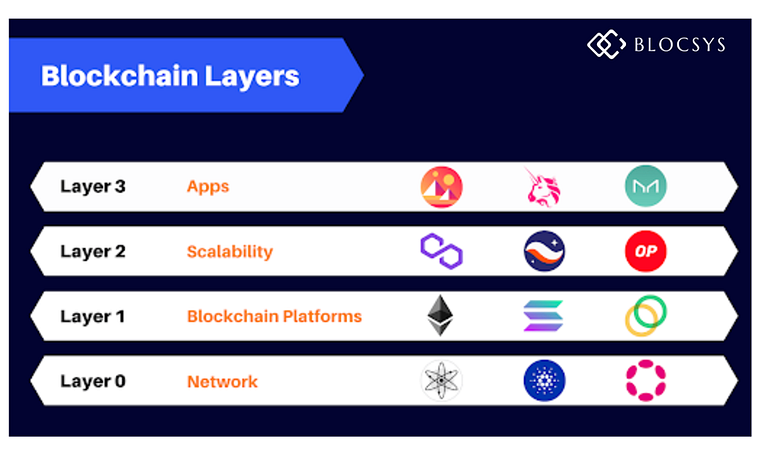
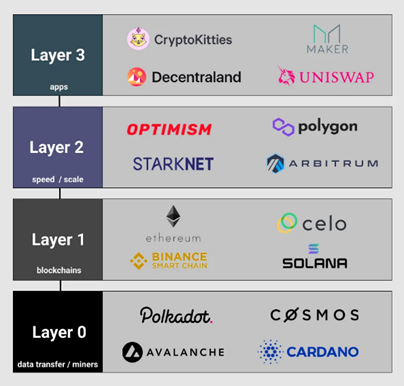
⦁ Layer 1 (L1): This is the foundational layer, the core blockchain network itself, like Ethereum or Bitcoin. It handles consensus, security, and data availability. However, as more people use these networks, they can become slow and costly.
⦁ Layer 2 (L2): L2 solutions aim to solve the scalability problems of L1 by creating networks built on top of the base layer, like rollups or state channels. These reduce the load on L1, enabling faster transactions without compromising security.
⦁ Layer 3 (L3): While L2 focuses on scalability, L3 aims to enhance blockchain usability, privacy, and specialized applications. It provides a platform for custom-built applications that interact seamlessly with L2, delivering even more specific use cases like gaming, decentralized finance (DeFi), and cross-chain interoperability.
The Role of Layer 3: Beyond Just Speed
Layer 3 networks take blockchain architecture to the next level by offering more than just faster transaction times. Here’s how:
⦁ Cross-Chain Interoperability: One of the most exciting applications of Layer 3 networks is their ability to enable smooth interaction between different blockchains. Currently, the blockchain ecosystem is fragmented — Bitcoin and Ethereum, for instance, exist in parallel universes. Layer 3 allows users to seamlessly transfer assets and data across chains, effectively breaking down these silos.
⦁ Privacy Enhancements: Layer 3 also introduces privacy-focused functionalities that go beyond the basic encryption techniques used in earlier blockchain layers. Technologies such as Zero-Knowledge (ZK) rollups can be further customized at the Layer 3 level to enhance privacy in transactions, making it ideal for applications like healthcare and finance.
⦁ Customizable Application Logic: Layer 3 empowers developers to build highly specialized applications tailored to specific industries. Imagine a Layer 3 network specifically designed for the gaming industry, where game logic, user experience, and in-game economies can be optimized independently from other blockchains or decentralized applications (dApps). This customization provides more flexibility and efficiency without affecting the underlying blockchain architecture.
⦁ Decentralized Identities (DIDs): In a world increasingly conscious of privacy, Layer 3 networks enable advanced identity solutions that go beyond the current norms. Decentralized identities can flourish at this layer, ensuring individuals have control over their data without needing to trust intermediaries. This opens doors for secure and decentralized authentication systems.
The Infrastructure of the Future
Layer 3 networks represent a shift from a one-size-fits-all model to a more specialized, modular architecture. Think of Layer 3 as a skyscraper on top of a city (Layer 1) and its roads (Layer 2). Each floor of the skyscraper can serve a different purpose: one for businesses, another for residential apartments, and perhaps a third for entertainment. The foundation remains strong, but the skyscraper enhances the overall experience and possibilities.
For instance, DeFi protocols that operate on Layer 2 for scalable transactions could use Layer 3 to introduce unique features like advanced trading algorithms or customized lending markets. Similarly, Layer 3 could provide the framework for metaverse projects, enabling immersive, decentralized virtual worlds.
The Challenges and Opportunities
While Layer 3 networks bring exciting new possibilities, they also face unique challenges. For one, security remains paramount. Each additional layer must maintain the same level of robustness as Layer 1 and Layer 2 to prevent vulnerabilities. Moreover, interoperability between different Layer 3 applications could be complex, requiring new standards and protocols to ensure seamless interaction.
However, the opportunities outweigh the challenges. Layer 3 networks allow us to dream bigger. They offer more than just a faster blockchain; they offer a blockchain that can be tailored to specific needs, industries, and privacy standards.
Frequently Asked Questions
What is a Layer 3 blockchain network?
Layer 3 (L3) is a blockchain layer built on top of Layer 2, focused on enhancing usability, privacy, and specialized applications rather than just transaction speed. It provides a platform for custom-built applications that interact seamlessly with L2, enabling use cases like gaming, DeFi, and cross-chain interoperability.
How does Layer 3 differ from Layer 1 and Layer 2?
Layer 1 is the foundational blockchain that handles consensus, security, and data availability, while Layer 2 solutions like rollups and state channels reduce the load on L1 to enable faster, cheaper transactions. Layer 3 goes a step further, focusing on customized application logic, privacy, and interoperability rather than base-level scalability.
How does Layer 3 enable cross-chain interoperability?
Layer 3 networks allow users to seamlessly transfer assets and data across different blockchains, which currently exist as fragmented, parallel ecosystems like Bitcoin and Ethereum. This capability effectively breaks down the silos between separate chains.
What privacy enhancements does Layer 3 offer?
Layer 3 introduces privacy-focused functionalities that go beyond the basic encryption used in earlier blockchain layers. Technologies such as Zero-Knowledge (ZK) rollups can be further customized at the Layer 3 level, making it well-suited for sensitive applications like healthcare and finance.
What role does Layer 3 play in decentralized identities (DIDs)?
Layer 3 networks enable advanced identity solutions that allow individuals to control their own data without relying on intermediaries. This supports secure and decentralized authentication systems as privacy concerns continue to grow.
What challenges do Layer 3 networks face?
Security remains a top concern, as each additional layer must maintain the same robustness as Layer 1 and Layer 2 to avoid introducing vulnerabilities. Interoperability between different Layer 3 applications can also be complex, requiring new standards and protocols to ensure seamless interaction.
