
The world of blockchain and Web3 is rapidly evolving, with innovations happening every day. One concept that has been gaining significant attention in this space is RWA short for Real-World Assets. As blockchain transforms industries, bridging the gap between traditional assets and DeFi becomes vital, with RWAs playing a key role.
This blog will explore what RWAs are, how they work, and their role in integrating blockchain with the real world.
What are Real-World Assets (RWA)?
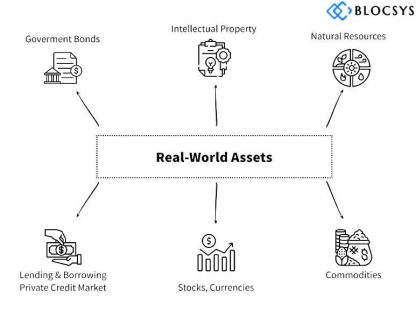
Real-World Assets (RWAs) are tangible or intangible assets from the physical world tokenized on a blockchain. They can include real estate, commodities, metals, stocks, bonds, or invoices, enabling decentralized, transparent trading and use.
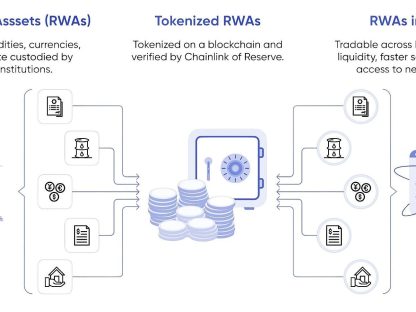
The key concept is that RWAs bridge the gap between the traditional financial system and decentralized finance. In the traditional world, intermediaries like banks or agencies control assets. Tokenizing RWAs allows easy trading on blockchain networks without intermediaries, giving individuals and businesses more control over investments.
How Do RWAs Work in the Blockchain Ecosystem?
The process of tokenizing RWAs involves several steps, typically starting with a platform or project that specializes in asset tokenization. Here is a general overview of how it typically operates:
1. Asset Identification and Tokenization
Blockchain technology enables the conversion of real-world assets, like real estate, art, or bonds, into digital tokens.The platform issues tokens representing fractional ownership of the asset, making it easier to buy, sell, or trade decentralize.
You can divide digital tokens representing fractions of a property’s value into real estate properties.This allows smaller investors to participate in real estate markets without needing large amounts of capital upfront.
2. Smart Contracts and Blockchain Integration
Tokenizing an asset triggers the activation of smart contracts. Self-executing contracts, written into code, automatically enforce and execute agreements without a central authority.
Also, in a tokenized real estate scenario, smart contracts could automate rental payments, ownership transfers, and maintenance tasks, thereby running efficiently without manual intervention.
3. Trading and Liquidity
One of the biggest benefits of RWAs on the blockchain is liquidity. Traditionally, assets like real estate are illiquid, meaning they are difficult to buy and sell quickly. Investors can buy and sell smaller portions of an asset by tokenizing it.
Users can trade RWAs on decentralized platforms or marketplaces, giving them access to a broader range of investment opportunities and potentially higher returns.
4. Collateralization and DeFi Integration
DeFi applications can use tokenized RWAs as collateral. You could use tokenized real estate as collateral to take out a loan on a DeFi platform, opening up new avenues for liquidity and financing in the blockchain ecosystem.
This, in turn, bridges the gap between traditional assets and the decentralized world, enabling individuals and businesses to use their physical-world assets within the decentralized economy.
Types of Real-World Assets (RWAs)
RWAs encompass a broad range of assets from various sectors. Some of the most commonly tokenized assets in the blockchain ecosystem include:
Real Estate: Perhaps the most well-known example of RWAs, tokenizing real estate properties enables people to invest in fractional ownership- Commodities: People can invest in commodities like gold, silver, and other precious metals through tokenization.It provides a more efficient and transparent way to invest
- Art and Collectibles: High-value artworks and rare collectibles can be tokenized, enabling fractional ownership and easy transfer of assets through blockchain technology.
- Stocks and Bonds: Tokenizing stocks or bonds facilitates real-time trading of financial instruments, resulting in lower fees and enhanced transparency in comparison to conventional markets.
- Receivables and Invoices: Businesses can tokenize receivables or unpaid invoices, allowing them to access liquidity through DeFi lending platforms or trade these tokens in secondary markets.
Benefits of RWAs in Web3 and Blockchain
1. Increased Liquidity
By tokenizing real-world assets, markets that were traditionally illiquid can become more liquid. Fractional ownership allows for quicker and easier transactions and the ability to buy and sell assets in smaller portions.
2. Access to New Markets
RWAs open up investment opportunities to a wider audience. By buying fractional shares of specific assets, investors who were unable to enter particular markets because of steep capital requirements—such as real estate or art—can now participate.
3. Transparency and Security
The use of blockchain technology ensures that transactions involving RWAs are transparent, secure, and immutable. The blockchain records each token transfer, ensuring its integrity and ownership.
4. Reduced Costs and Intermediaries
Tokenizing physical assets, therefore, greatly diminishes the requirement for intermediaries usually found in conventional markets, like banks and brokers.This leads to lower transaction costs and a more efficient process for buying, selling, or transferring assets.
5. Global Access
Individuals from across the globe can now engage in markets that were once limited to certain geographical regions or demographics due to tokenized RWAs, which are available to anyone who has internet access.
Challenges and Considerations
RWAs provide many benefits; however, there are still specific problems and issues that need to be considered.
- Regulatory Uncertainty: As RWAs bridge traditional finance with decentralized finance, navigating the regulatory landscape can be complex. Different jurisdictions have varying regulations around tokenization, asset ownership, and DeFi, making it difficult for some projects to gain traction.
- Valuation and Accuracy: Accurate valuation of physical assets is critical to ensure that tokenized versions of those assets reflect their true worth. Discrepancies in valuation can lead to inefficiencies and the potential for fraud.
- Conventional Financial Integration: Despite the numerous advantages of blockchain technology, it still needs to function effectively alongside conventional financial institutions and systems. This can present a challenge in terms of interoperability.
- Security Concerns: It is essential to ensure the security of smart contracts and the underlying platforms that host tokenized RWAs. Hacks or vulnerabilities in these platforms could result in the loss of assets or disruption to transactions.
The Future of RWAs in Blockchain
RWAs are ready to make a substantial contribution to the future of Web3 and decentralized finance despite the challenges. More advancements in the tokenization of tangible assets, smoother integrations with conventional financial systems, and enhanced regulatory clarity are all anticipated as the blockchain ecosystem develops.
The ability to tokenize and trade real-world assets could ultimately create a more inclusive and efficient financial system, where anyone can invest, borrow, or lend against a wider variety of assets.This will create extra opportunities for both individuals and businesses, and it will also encourage the global adoption of decentralized finance.
Conclusion
Real-World Assets (RWAs) are a game-changing development in the blockchain and Web3 ecosystem. By enabling the tokenization of physical assets, RWAs provide new opportunities for liquidity, accessibility, and transparency.RWAs have the potential to revolutionize our interaction with traditional finance and decentralized markets.
As we continue to see the growth of Web3 technologies, RWAs will likely become a cornerstone of the blockchain ecosystem, connecting the traditional and digital worlds in unprecedented ways. The tokenization of real-world assets, including real estate, art, commodities, and financial instruments, will open up new investment opportunities.
#RWA #real world assets #tokenization #tokenized assets
About Blocsys Technologies
Blocsys Technologies provides customised solutions from development to implementation, enabling companies to achieve success in the Web3, blockchain, and AI ecosystems.
We specialize in AI Agent Platforms, RWA Tokenization, Multipurpose Launchpads, launchpad integrated mini apps, DeFi, NFT marketplaces, smart contracts, DApps, Telegram bots, and more, offering end-to-end services for seamless adoption and rapid development.
Our Services:
- AI Solutions
- RWA Tokenization
- Telegram Mini Apps
- DeFi/DApp Solutions
- NFT Marketplaces
- Launchpad
Why Choose Us? Industry Expertise | Global Reach | Rapid Time-to-Market
Let’s build the future together. www.blocsys.com

1 Comment
nice blog